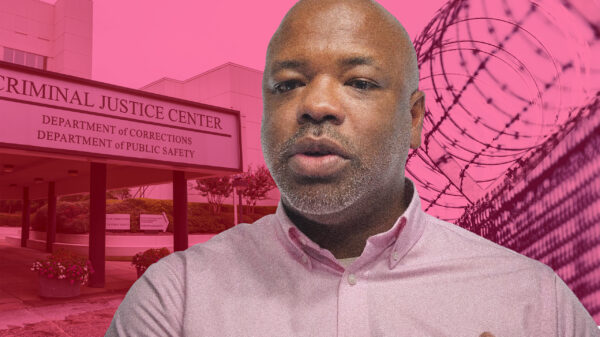


























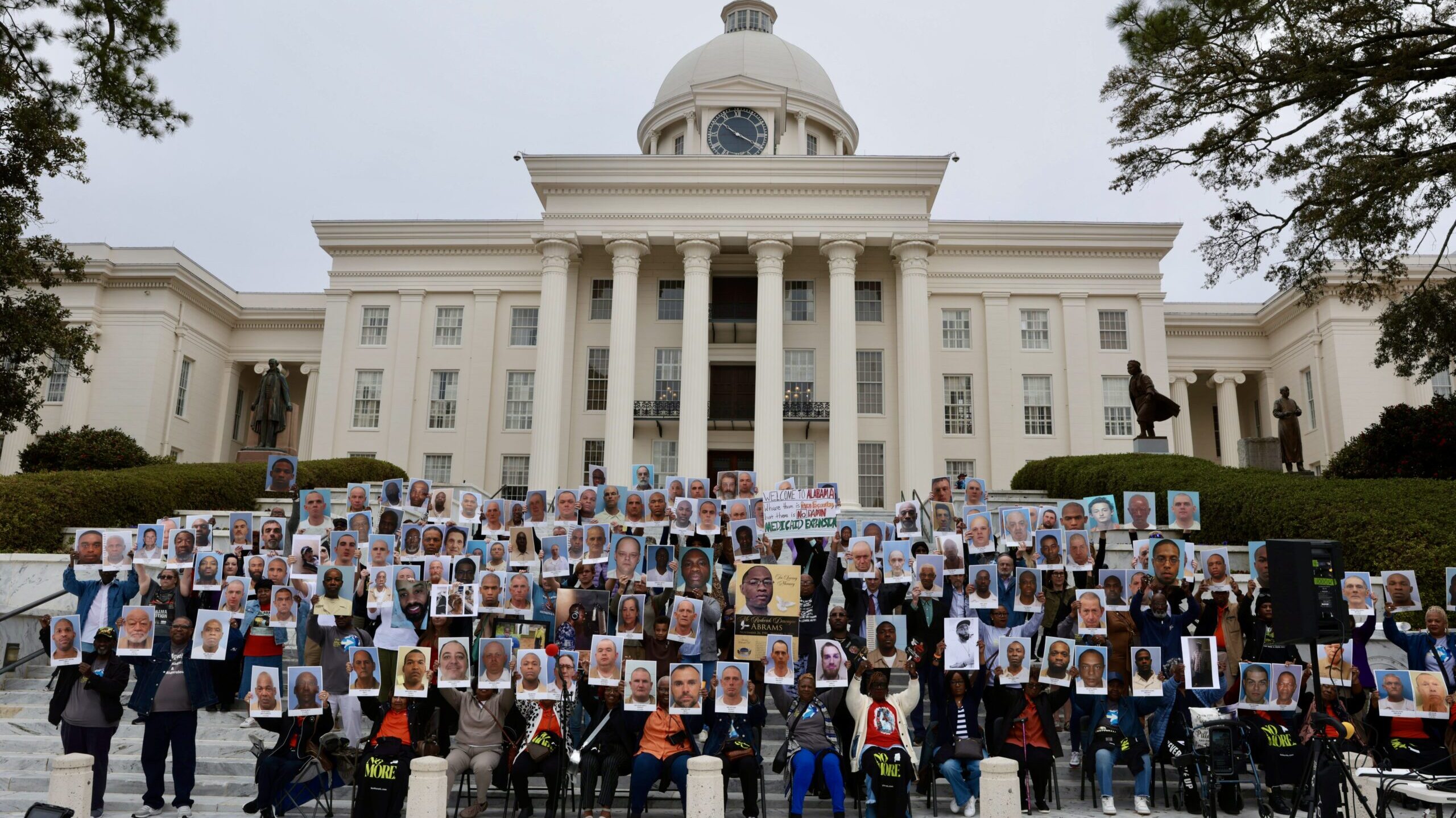
Carl Green spent 36 years inside the walls of the Alabama Department of Corrections, serving a sentence of life without parole.
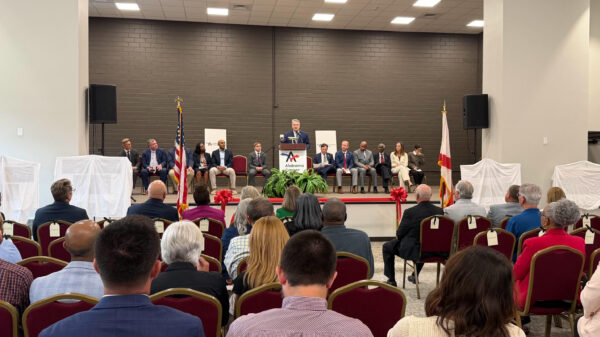
He joined former inmates and the families of currently incarcerated individuals on Wednesday to share testimonies of the systemic failures facing those who are serving out their time behind bars in the state.
“I spent 20 years in Alabama’s prisons, being a medical doctor, actually sewing people up, actually patching people up, actually stopping people from bleeding, actually stepping in and keeping people from dying—negotiating, bringing money out of my pocket, out of my box, food items to keep these people from being killed,” Green said.
More than a dozen people testified during the approximately hour long hearing dedicated solely to the public hearing. Lack of access to medical care was a common refrain, an issue that has long plagued the prison system and most recently came back to light when ADOC’s prison healthcare provider YesCare folded without paying employees. Committee members Rep. Chris England, D- Tuscaloosa, and Sen. Bobby Singleton, D-Greensboro, wore t-shirts calling for the prosecution of the company.
There was also testimony of violence and a lack of transparency for families of victims.
“I was in shock when I seen him,” Kim Baker said of her brother, who died in ADOC custody. “He was wrapped in bubble wrap and covered with a sheet up to his neck without any belongings sent with him. His face had been beaten, the top of his head was cracked open. He had dried up blood in his nose, a blood stain under his nose and dried feces still on his scalp after someone attempted to clean him up.”
ADOC never performed an autopsy and has not responded to her requests to see his toxicology report, Baker said. The death certificate says her brother died of natural causes. Baker shared a photo of her brother with the committee, with England agreeing that the state of the body did not strike him as likely to be from natural causes.
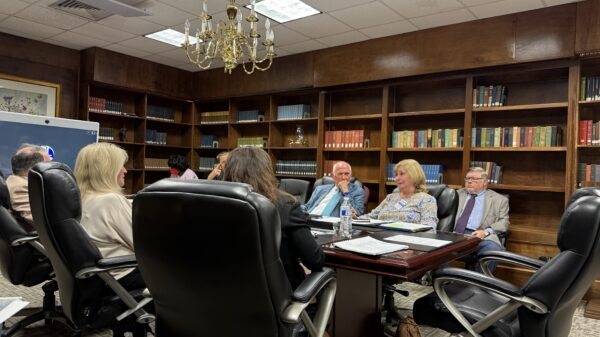
Before the hearing, the committee heard from Chief Examiner Rachel Riddle of the Department of Examiners of Public Accounts, who is leading a first-ever audit of the prison system thanks to a bill passed by the Legislature last session. The original plan was to adit a single prison, but Riddle said they soon realized they needed to instead start by auditing the executive structure.
That audit so far has included 14 interviews with top officials and request for numerous documents. But those requests have been met with some stonewalling from the department, Riddle said.
“We have run into some issues getting certain documents, and we are trying to be sensitive to that,” Riddle said. “We have got the attorney general’s office involved in us trying to work through that. I’ve never had a state agency not give any documents, even confidential ones, and so this is new territory for me.”
Riddle said she expects to have a report ready by the October deadline established in the legislation. That bill also gives her subpoena power, if it comes to it.