































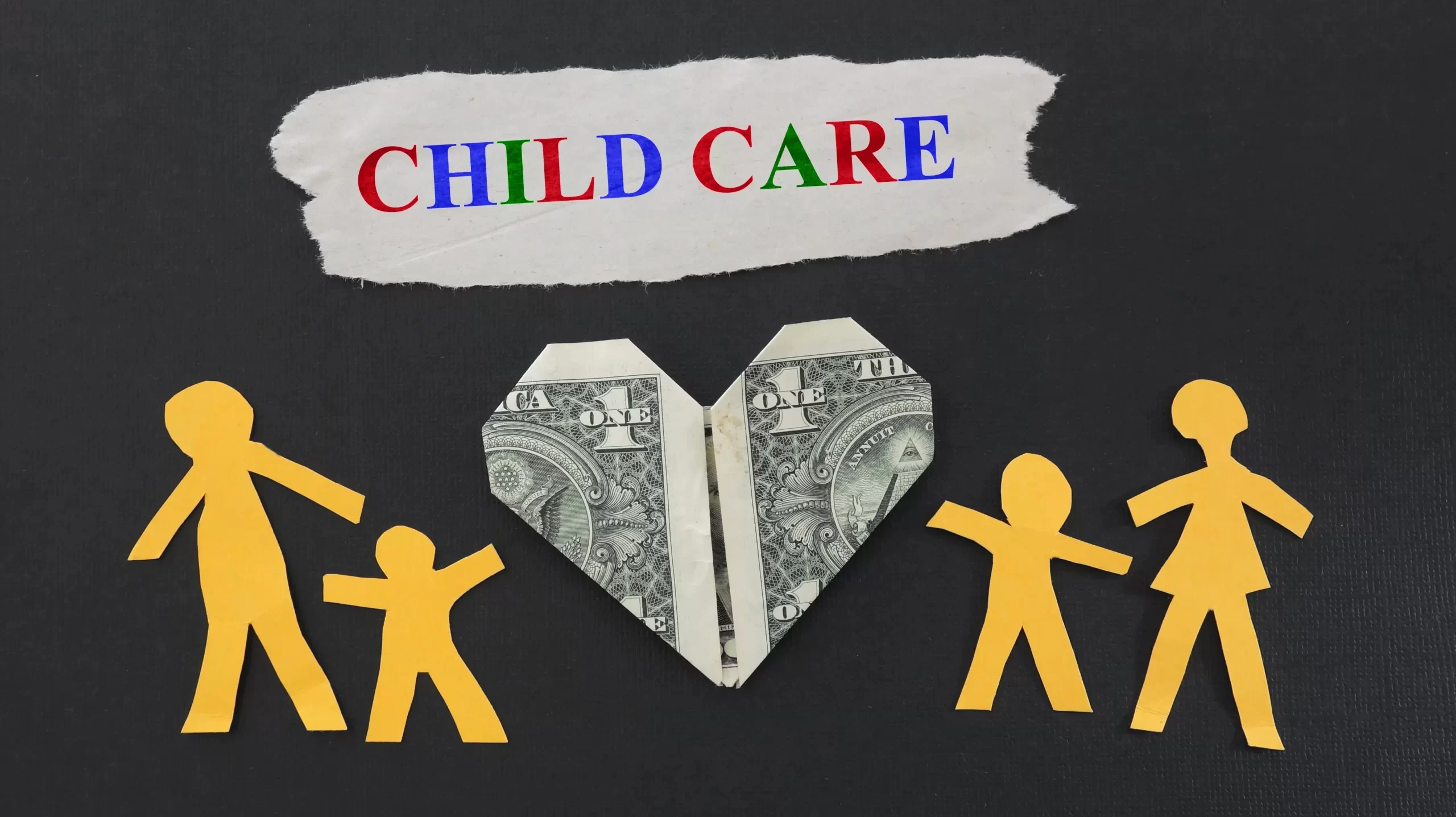
A recent report from ConsumerAffairs found that child care costs in Alabama are among the lowest in the nation, but the study also found that many middle- and low-income families still cannot comfortably afford care.
The ConsumerAffairs report, published August 12, found that none of the 49 states it monitored met the U.S. Department of Health and Human Services’ benchmark for affordable child care, which defines affordable care as costing 7 percent or less of a family’s annual income. In each state included in the study, families would need to earn more than the state’s median income to comfortably afford center-based day care.
ConsumerAffairs found that child care costs range from 8.9 percent to 20.1 percent of families’ annual income nationwide. On average, families spend about 14 percent of their annual income on child care, double the HHS affordability benchmark.
Alabama’s full-time, center-based toddler care was the third-cheapest in the nation, behind only West Virginia and Mississippi. The study found that full-time, center-based toddler care accounts for 10.4 percent of annual income for a two-parent Alabama family earning the state’s median household income before taxes of $83,032.
However, the study also found that Alabama families would need to earn substantially more than the state’s median household income to meet the HHS affordability benchmark.
To spend no more than 7 percent of their annual income on child care, an Alabama family would need to earn $123,514, or $40,482 more than the state’s median household income.
ConsumerAffairs Senior Digital Public Relations Strategist Jailyn Rodriguez told APR that although Alabama offers some of the cheapest child care in the country, affordable care can remain out of reach for middle- and low-income families.
The median income for a single mother in Alabama is $31,000, while the median income for a single father is $51,000, according to the report. That means single mothers face a gap of about $93,000 to reach the income level needed to meet the 7 percent affordability benchmark, while single fathers would need to earn about $72,000 more.
“If single moms were to put their toddler in daycare, they’re going to be spending about 28 percent of their income just on care,” Rodriguez said. “And if you are a single dad putting your child in daycare, chances are you’re spending about 17 percent of your income on care.”
“So, while Alabama on paper looks pretty affordable, its daycare looks pretty affordable; that’s really only true for families with two incomes or married couples,” she added. “It’s not really the reality for single parents.”
The ConsumerAffairs report also found that lower child care prices may coincide with higher staff-to-child ratios, meaning each caregiver is responsible for more children.
“That’s a cost, too; it just doesn’t show up in the price data,” Katharine Sadowski, an assistant professor at the Stanford Graduate School of Education who researches the economics of early childhood education, said.
Alabama differed from national affordability trends when comparing child care costs with the cost of attending an in-state university.
ConsumerAffairs found that annual child care costs nationwide are, on average, 35 percent higher than annual expenses for attending an in-state university. In Alabama, average child care costs are 33 percent lower than the cost of attending an in-state university.
“Alabama is doing really well in the childcare department, as far as cost,” Rodriguez said of the comparison.
She contrasted Alabama with Massachusetts, the least affordable state for child care in the study, where annual in-state university attendance costs 54 percent less than annual child care.
A two-parent household in Massachusetts would need to earn more than double the state’s median household income of $131,675 to meet the HHS affordability benchmark.
Asked about state-level policies intended to reduce child care costs, Rodriguez pointed to New Mexico, which in 2025 became the first state in the nation to offer universal child care free of charge.
“One state that we didn’t include in our study was actually New Mexico. They were excluded from our rankings because the state offers universal free childcare,” Rodriguez said. “So that is something to look at—something that hopefully more states can implement.”
Mississippi, West Virginia, Alabama, South Dakota and Arkansas had the lowest annual child care costs, all below $10,000. Massachusetts, Vermont, Oregon, Washington and Hawaii were the least affordable states, with annual costs ranging from $19,832 to $24,468.
“This affordability problem means they are faced with difficult choices, such as forgoing paying for other family expenses to afford childcare,” Sandra Bishop, senior director of research at Child Care Aware of America, told ConsumerAffairs.
The ConsumerAffairs report also cited data from a Center for American Progress report titled America’s Licensed Child Care Deserts. According to that study, 54.1 percent of Alabama children under age 6 live in a licensed child care desert, defined as an area with three children eligible for care for every available licensed child care slot.
ConsumerAffairs also released a child care cost calculator that allows users to estimate how much income they would need, based on household size and state, to meet the federal affordability benchmark.