















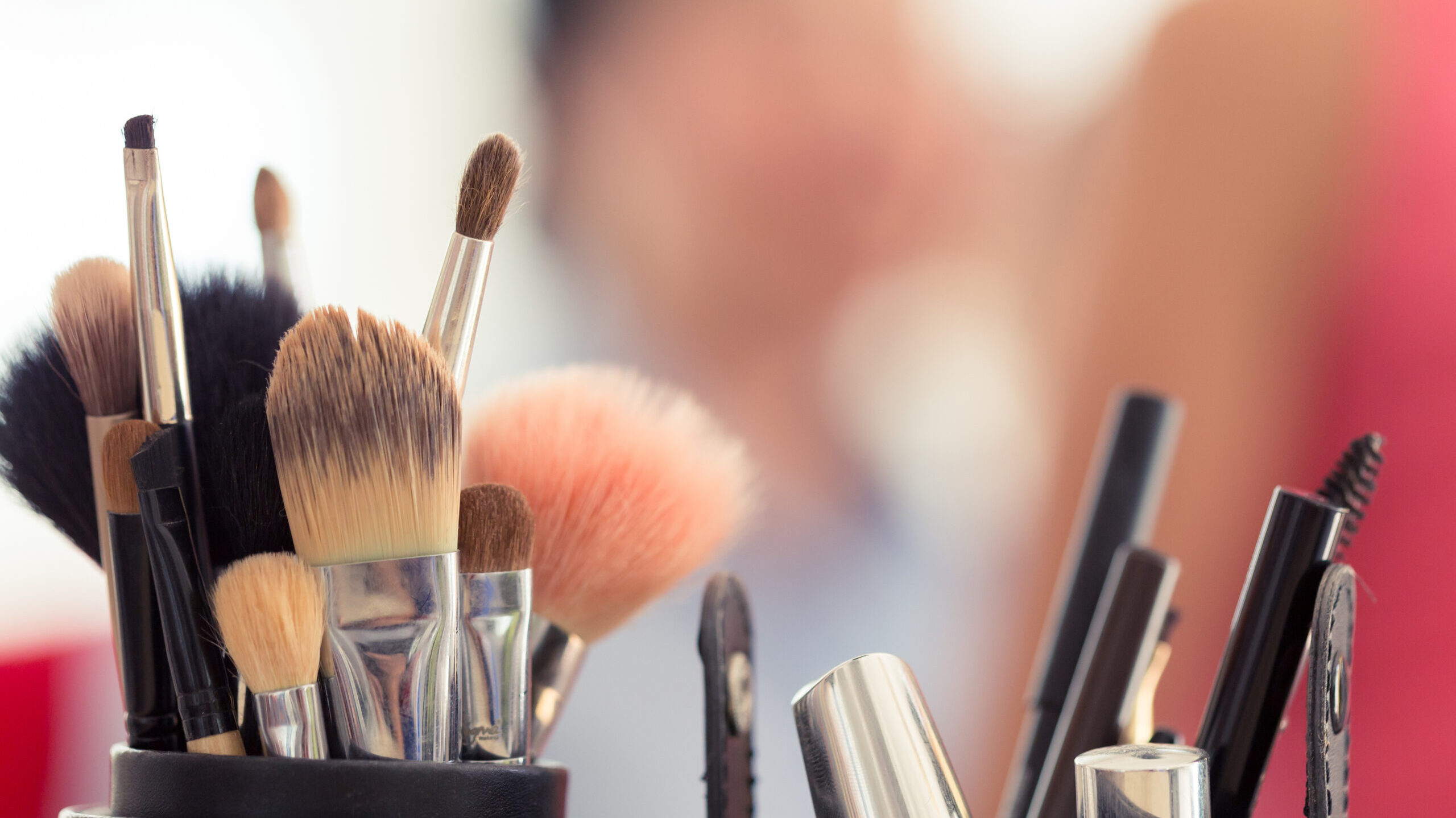
I am a makeup artist in Alabama and this year my life could have changed for the better. But it didn’t. SB274 was a simple reform that would have allowed makeup artists like me to work without costly, irrelevant barriers blocking our careers. But after months of anticipation, the bill failed — and with it, so did a chance for Alabama’s beauty industry to move forward.
Alabama has the strictest requirements in the entire country for makeup artists (tied only with Kansas), requiring 1,000 hours of training in a traditional esthetics school. This extensive training covers subjects that have nothing to do with makeup application, like electrolysis and light therapy.
In comparison, 19 states don’t require a license at all, including Georgia and Mississippi. These states have recognized makeup as the safe, non-invasive service that it is. Makeup artists across our state have spent the past three years advocating for change, speaking with our lawmakers and spreading the word about this reform.
Regardless, Alabama did not join the growing list of states that allow us to work freely. Now, instead of being able to build our careers and businesses without fear, we continue living with uncertainty, worried that our ability to make a living and practice the craft we are passionate about might be taken away.
Many talented professionals enter this industry through non-traditional paths, driven by passion and self-discipline. Today, artists can learn through mentorships, private classes, retail experience, online instruction and hands-on practice. I got started as many makeup artists do – because of demand in my community. My family and friends were always asking me to practice on them. I became the go-to person for bold eyeshadow looks, and years of practice and creativity shaped my artistry. A close friend eventually encouraged me to take it seriously and turn my talent into income, and I did.
Now I am a successful freelance makeup artist who works all over our state. My training has included hands-on experience, one-on-one courses focused on sanitation and technique, virtual education and continued learning from other professionals. My background in healthcare management also shaped my attention to detail, professionalism and care for people—qualities I bring to every client.
I never expected that pursuing honest work would mean facing expensive and unnecessary legal obstacles imposed by the state. The disappointing failure of SB274 means many artists still face those barriers today.
This reform is so important to me because my journey in the beauty industry is legitimate and should not be illegal. I’ve invested time and money into proper sanitation, technique and continued education, yet current regulations continue to create barriers for talented artists who are skilled, responsible and committed to safety.
This issue is relevant to more than just makeup artists. It affects brides on their wedding days, professionals preparing for interviews, performers before shows, photographers and stylists, and the clients who rely on us for our specialized services.
I hold the hope that we will see these changes next year, as a similar and positive reform did pass this year. SB183, which was recently signed into law, exempts natural hair braiders from the 210 hours in school for a natural hair styling license. This change recognizes that those pursuing safe niche-services deserve to make a living without unnecessary barriers.
I urge lawmakers to extend that same opportunity to makeup artists like myself.
The beauty industry is evolving, and our laws should evolve with it. This bill has the potential to empower talented makeup artists, strengthen entrepreneurship and open doors for hard working people across the state.
Simple reforms like SB274 have the power to transform our livelihoods. Alabama legislators should let them.