


























Alabama saw a 46 percent decrease in substance-related overdose deaths over two years, according to provisional federal data released as state officials mark National Opioid Awareness Day.
The Alabama Department of Mental Health said Monday that overdose deaths declined between March 2024 and March 2026, citing data from the Centers for Disease Control and Prevention.
Alabama continues to expand efforts to prevent opioid misuse, increase access to treatment and make overdose-reversal medication more available.
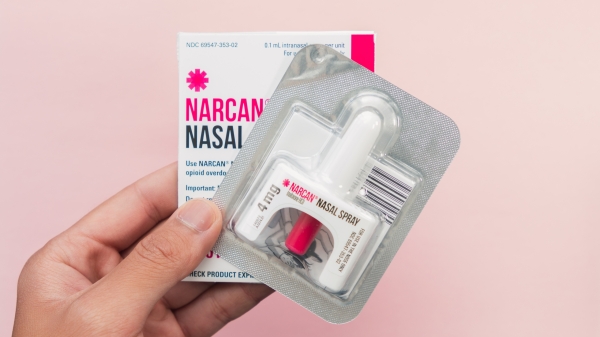
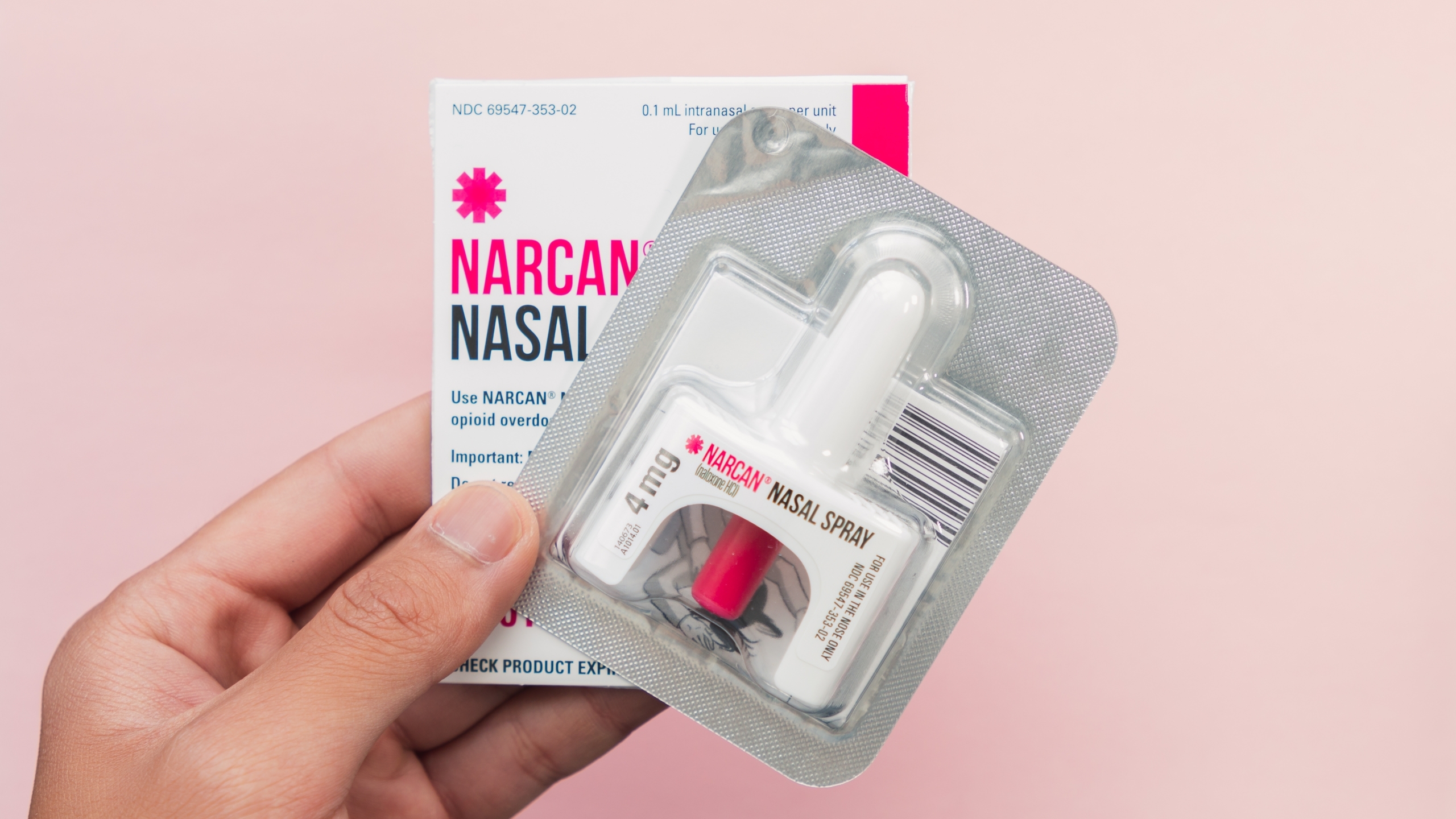
Fentanyl and other synthetic opioids remain a significant source of overdose risk in Alabama, according to ADMH. Since 2019, the department has distributed more than 222,000 naloxone kits statewide.
Naloxone can reverse an opioid overdose and restore normal breathing when administered in time. ADMH said residents can find information about obtaining naloxone through its Opioids Take initiative.
The department said the reduction in overdose deaths follows efforts involving the Alabama Opioid Overdose and Addiction Council, the Oversight Commission on Alabama Opioid Settlement Funds, state agencies, community providers and other organizations.
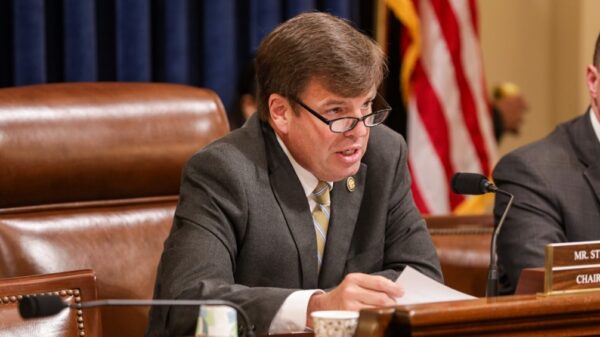
Representative Rex Reynolds, R-Huntsville, who chairs the Oversight Commission, said more than $34 million has been invested in prevention, treatment and recovery efforts.
“While the height of the opioid epidemic is thankfully behind our state, its devastating impacts are still being felt across all of Alabama’s 67 counties,” Reynolds said. “National Opioid Awareness Day serves as a powerful reminder that while we should be proud of the progress we have made, our work is far from over.”
Alabama has received more than $720 million through settlements with pharmaceutical companies and distributors over their roles in the opioid epidemic. The state created the Oversight Commission on Alabama Opioid Settlement Funds in 2023 to oversee how the money is used.
ADMH said the state’s response includes more than treatment for people who already have substance use disorders. Prevention and public education are also part of the effort.
The department is using National Opioid Awareness Day to promote those efforts through digital billboards at 182 locations across Alabama, social media messaging and its Opioids Take website.
The campaign is built around the message, “Today is National Opioid Awareness Day. In Alabama, it’s every day.”
The Opioids Take initiative is funded through opioid settlement money and provides information about opioid risks, alternative pain-management strategies, treatment and recovery services.
ADMH Commissioner Kimberly Boswell said the state’s progress does not eliminate the need for continued prevention and treatment efforts.
“In Alabama, we are committed to increasing awareness through continued education, prevention, treatment and recovery supports,” Boswell said. “As we celebrate National Opioid Awareness Day today and every day, we are encouraged by the progress made to expand access to care, support individuals and families, decrease overdoses, and save lives.”
ADMH said people seeking substance use treatment or recovery services can access information about community providers through the department’s website.