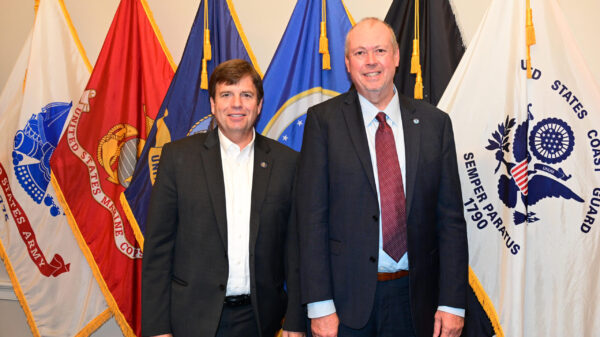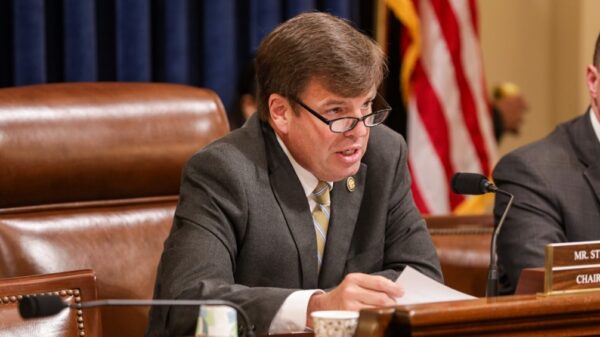







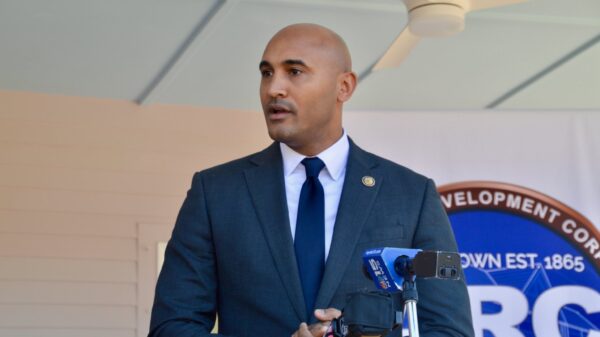







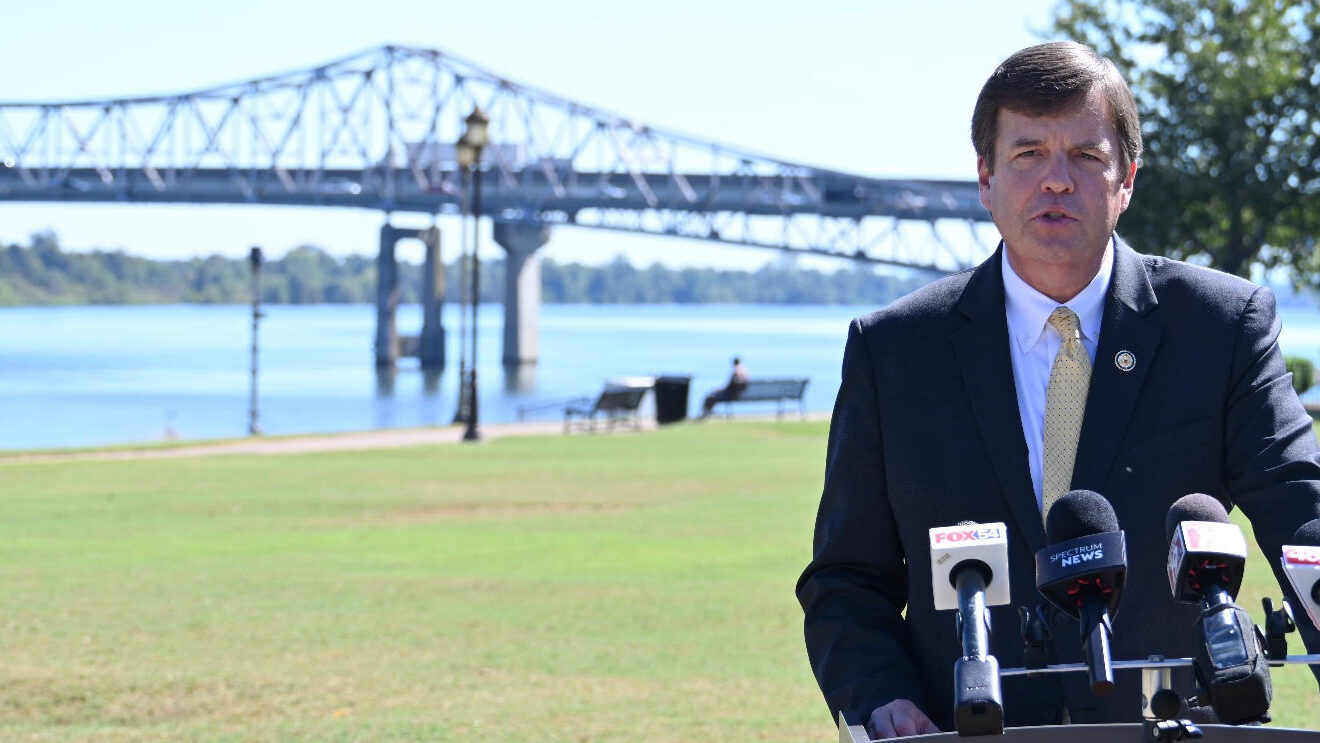
This week, U.S. Representative Dale Strong, R-Alabama, attended a press conference alongside state and local leaders to discuss $3 million he helped secure for the city of Decatur to study the feasibility of an additional Tennessee River crossing.
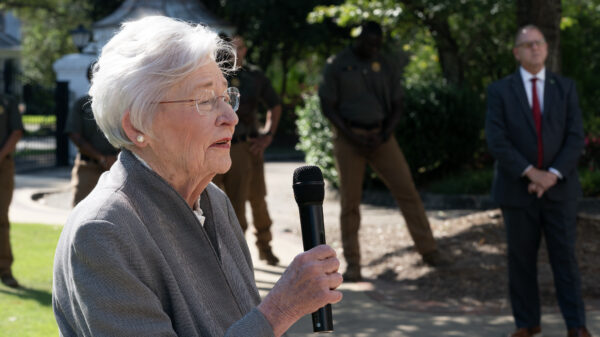
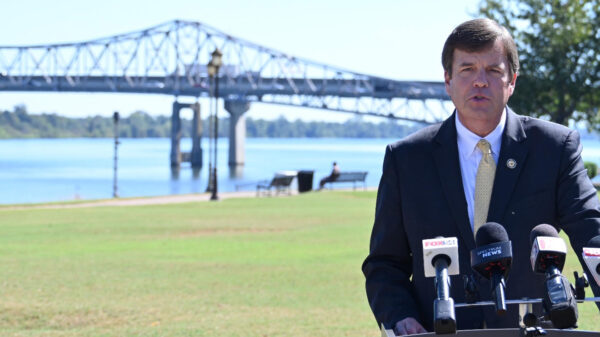
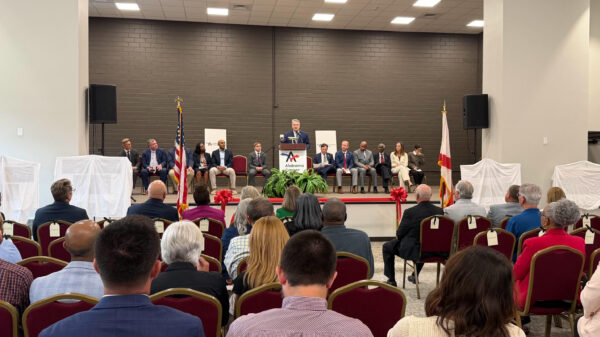
The funding, which Strong advocated for as a member of the House Appropriations Committee, was signed into law as part of the Consolidated Appropriations Act of 2026 earlier this year. Strong spoke about the importance of using such funds to improve traffic flow across the Tennessee Valley at Tuesday’s press conference at Rhodes Ferry Park in Decatur.
“This project is vital to improving commute times for residents and supporting economic development efforts across the Tennessee Valley, and I was proud to secure this investment,” Strong said. “Improving our local infrastructure improves quality of life and enhances public safety, and I will never apologize for bringing our hard-earned tax dollars back home.”
According to officials, the study will consider potential bridge and roadway alignments, traffic and transportation needs, environmental and engineering factors, and community impacts. It will also take into account preliminary costs, federal requirements and input from the public.
Decatur Mayor Kent Lawrence and representatives from the Alabama Department of Transportation also attended Tuesday’s press conference.
“I am grateful for Congressman Strong’s work to secure this funding for our community. He is a great partner to the City of Decatur, and we appreciate his commitment to fighting for our fair share of transportation dollars,” Lawrence said. “This project is crucial to improving traffic flow across the Tennessee River, and beginning this study is the next step in addressing the city’s long-held priority. Our residents deserve efficient and reliable infrastructure, and my administration will continue to work alongside our state and federal partners to move this project forward.”
According to Strong’s office, ALDOT is working to select a consultant for the project, with the corridor study expected to begin once the procurement process is complete.