
















The NFIB Small Business Optimism Index declined 0.8 points in September to 97.9, one-tenth of a point below the 52-year average of 98.0. The Uncertainty Index rose 1 point to 90, remaining well above the historical average of 68. Labor quality or availability remained the top reported issue for the third consecutive month.
“Small business optimism stayed near the long-term average in September as Main Street owners remain uncertain about business conditions,” NFIB chief economist Bill Dunkelberg said. “Small business owners are proceeding with caution as they interpret how rising costs, interest rates, and the difficulty in finding qualified employees are impacting their business.”
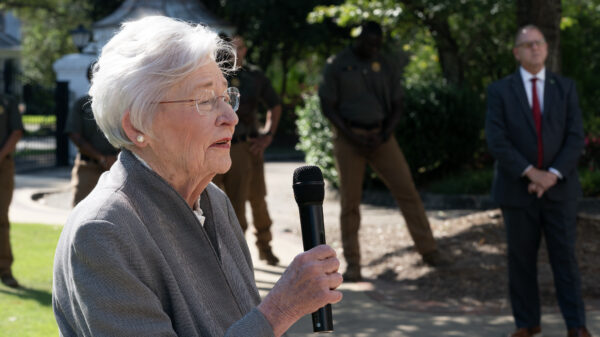
NFIB state director Rosemary Elebash said the national numbers reflect the concerns of small business owners in Alabama.
“Small business owners need to know what to expect before they commit to expanding, buying equipment, or adding jobs,” she said. “All of that costs money, so owners are being careful. They need confidence that sales will be strong enough to cover the added expenses.”
Key findings of the September survey include:
-
The share of owners reporting “labor quality or availability” as their single most important problem rose 3 percentage points in September to 26 percent, making it the top reported issue for the third consecutive month.
-
Inflation was the second most frequently reported issue in September, with 20 percent of owners identifying it as their single most important problem, up 4 percentage points from August. September’s reading remained elevated compared with the historical average of 7 percent.
-
Expectations for better business conditions worsened for the second consecutive month. A seasonally adjusted net 6 percent of owners expected better conditions in the next six months, down 4 percentage points from August but still above average.
-
A seasonally adjusted 7 percent of owners reported that it was a good time to expand their businesses, down 5 percentage points from August.
-
Small business owners’ assessments of their businesses’ health shifted negatively in September. The share rating their businesses as “fair” rose 7 percentage points to 35 percent, while the share rating them as “good” fell 9 percentage points to 48 percent.
-
The seasonally adjusted net percentage of owners reporting inventory gains fell 4 percentage points to negative 10 percent, the lowest reading since September 2024. A seasonally adjusted net 2 percent planned inventory investment in the coming months, up 1 percentage point from August and the highest reading since December 2024.
-
A net 8 percent of owners reported paying a higher interest rate on their most recent loan, up 4 percentage points from August and the highest level since June 2025. The average interest rate on short-maturity loans was 8.2 percent in September, up 0.7 percentage points from August and close to the historical average of 8.3 percent.
-
Poor sales and taxes tied as the third most frequently reported problem among small business owners in September. Eleven percent reported poor sales as their top issue, up 1 percentage point from August, marking the third consecutive monthly increase. The share reporting taxes as their single most important problem fell 5 percentage points from August to 11 percent.
According to NFIB’s monthly jobs report, a seasonally adjusted 32 percent of all small business owners reported job openings they could not fill in September, down 3 percentage points from August and 8 percentage points above the historical average. Of the 51 percent of owners hiring or trying to hire in September, 87 percent reported few or no qualified applicants for the positions they were trying to fill. A seasonally adjusted net 17 percent of owners planned to create new jobs in the next three months, unchanged from August.
View the full NFIB Small Business Economic Trends report.
The NFIB Research Center has collected Small Business Economic Trends data through quarterly surveys since the fourth quarter of 1973 and monthly surveys since 1986. The center randomly selects survey respondents from NFIB’s membership and releases the report on the second Tuesday of each month. The center conducted this survey in September 2026.