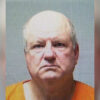






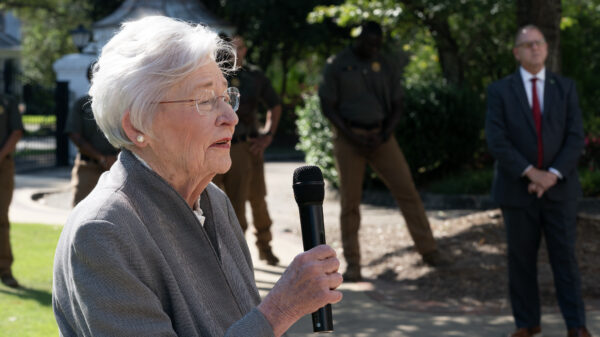






















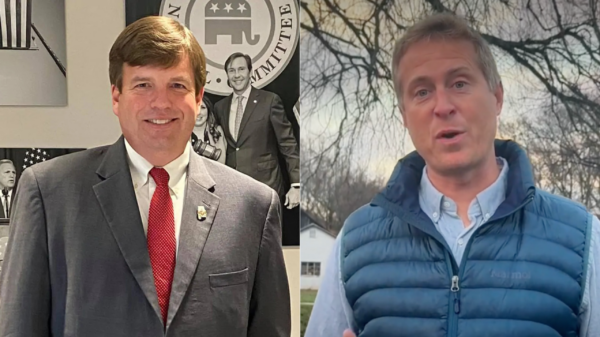


Jasper attorney Charles Edward “Ed” Sanders, Jr. has been elected chair of the Alabama Commission on Higher Education (ACHE). Sanders was appointed to the Commission in 2012, by then Lieutenant Governor Kay Ivey (R).
Alabama is beginning a new quadrennial with many new lawmakers and changes on education committees in the House and Senate.
“I am looking forward to working with all sectors of Alabama’s higher education community to prepare students for entry into a competitive and global workplace,” said Sanders. “In addition to the statutory responsibilities of the Commission, we want to continue to be advocates for higher education and the students we serve.”
“The educational knowledge and legal expertise combined in Chairman Sanders’ leadership skills will serve Alabama well in his role as chairman of the Commission,” said ACHE Executive Director Jim Purcell.
Sanders has a bachelor’s degree in Economics from Rhodes College and a law degree from the University of Alabama. He is a general partner with the law firm of Maddox, Thornley and Sanders.
Sanders is the past president of the Walker County Bar Association and serves as a deacon at the First Baptist Church in Jasper.
He and his wife Mary have two children in college.
The Alabama Commission on Higher Education was founded in 1969. The ACHE is the state coordinating board for all public institutions of higher Education. The board is comprised of 12 members from throughout Alabama.