




















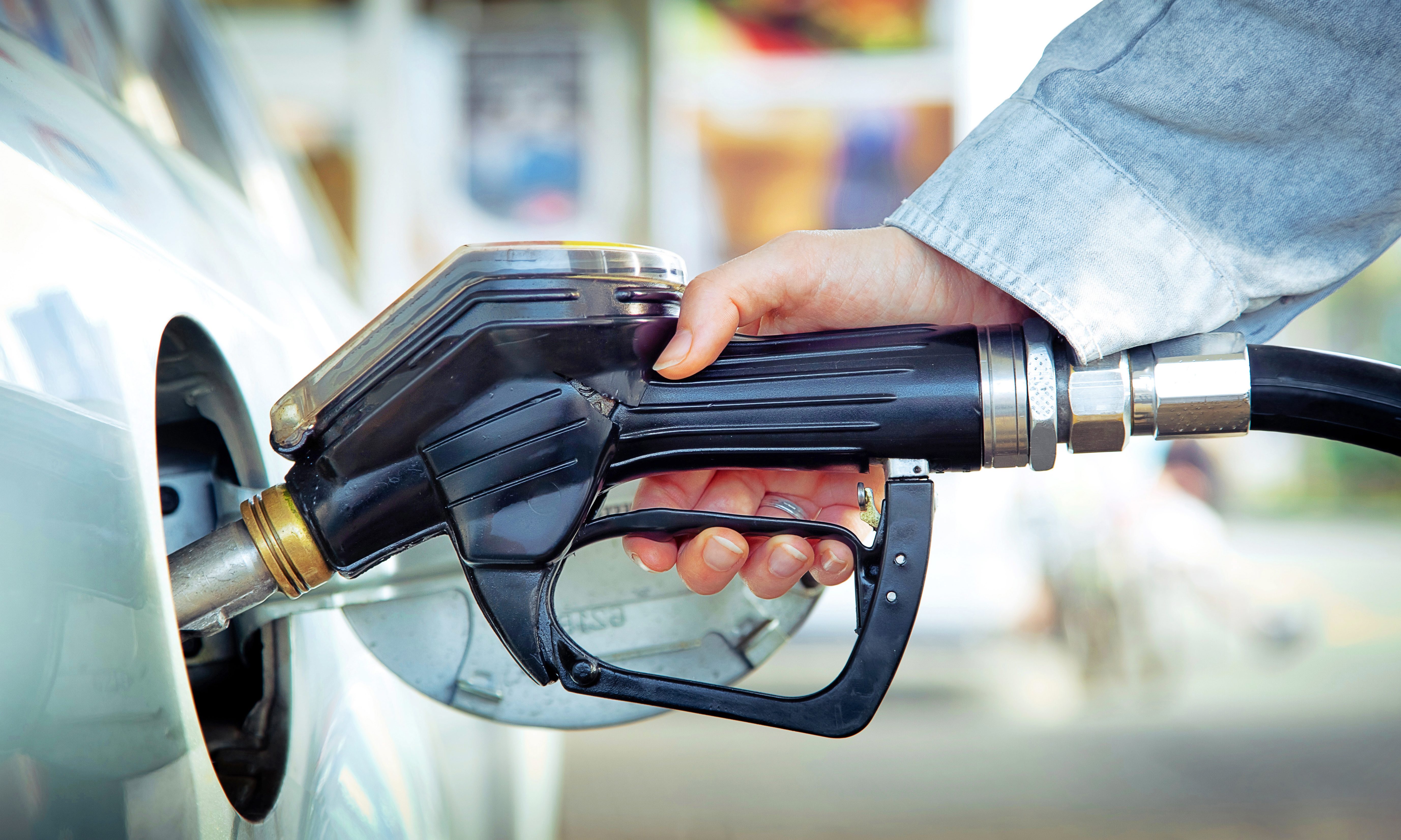
Alabama’s new gas tax has its first legal challenge — at least to a portion of it.
Tom Fredricks, a Morgan County business owner who ran unsuccessfully for an Alabama House seat last year, has filed a challenge to the portion of the gas tax that allows for the revenue to be spent dredging the Port of Mobile.
To support his claim, Fredricks cites Alabama Constitutional amendment 354, which limits the expenditure of all gas tax revenues to the matters dealing specifically with “highways” in the state, such as construction, maintenance or enforcing state motor vehicle laws.
“The Plaintiff believes that the use of the word highway in this context refers to the explicit definition most every citizen of the state of Alabama would entertain,” Fredricks’ lawsuit reads. “That is, a paved or unpaved road, path or trail on land, frequently used for motorized travel. The word highway is well established to be exclusively on land, going back through centuries of usage, and is generally meant to be something separate and distinct from the term waterway or navigable waterway.”
The problem for Fredricks, as he mentions in his lawsuit, is that the constitution of Alabama also uses the term “highway” to refer to waterways. However, Fredricks argues that it is used in “the metaphorical sense” and was first used in the late 1800s before the invention of automobiles and what we commonly refer to today as “highway travel.”
Fredricks’ lawsuit names State Treasurer John McMillan, State Comptroller Kathleen Baxter and State Finance Director Kelly Butler. He also notes in the lawsuit that it is not meant to challenge the necessity of improving Alabama infrastructure or the need to dredge and maintain our ports and waterways.