
















The House of Representatives approved the Fiscal Year 2020 Labor, Health and Human Services and Education funding bill that will secure funding for important health, labor and education programs.
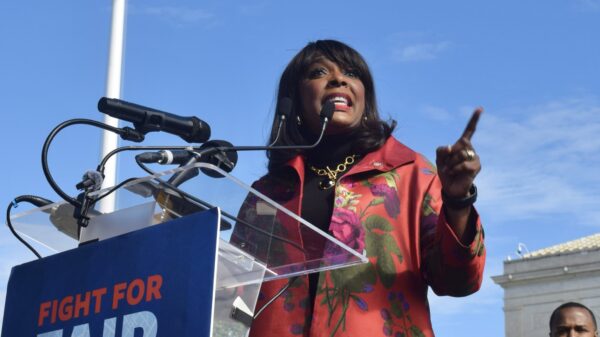
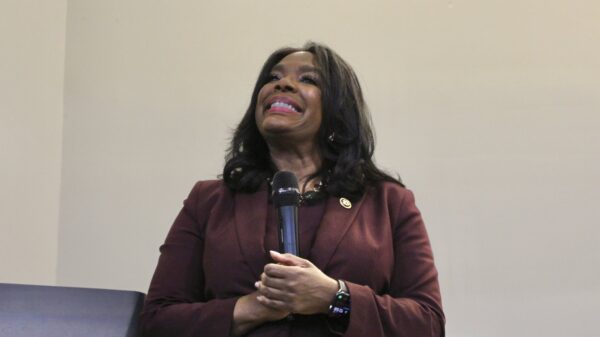
Rep. Terri Sewell, D-Alabama, announced the legislation includes several provisions for Alabama that she secured for programs critical to health care, education and defense.
Sewell said the passage of the funding bill is a win for Alabamians living in District 7.
“The overall bill passed today includes $190 billion for the U.S. Departments of Health and Human Services, Labor and Education to help expand Alabamians’ access to a competitive education, a good job and quality, affordable health care,” Sewell said. “I am proud that I was able to secure funding for several provisions critical to Alabamians, including increased capital for programs that strengthen health care delivery and access, and prepare Americans to be competitive in the workforce.”
In addition to the various provisions the funding bill secures, the bill provides a total of $41.1 billion for the National Institutes of Health (NIH), including $3.2 billion for HIV/AIDS research, $1.9 billion for Job Corps and $11.9 billion for Head Start, an increase of $1.5 billion.