


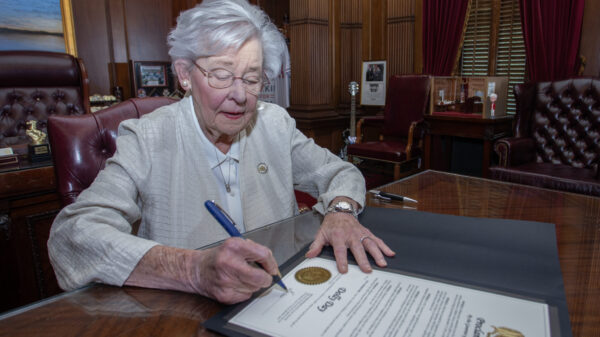
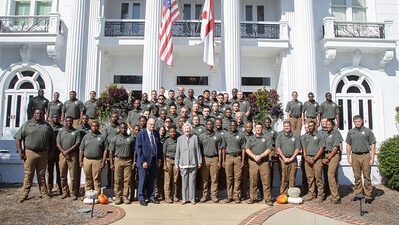













Gov. Kay Ivey on Friday announced the award of more than $743,000 to help Alabama state troopers address impaired and dangerous drivers.
Ivey awarded a $400,000 grant from the U.S. Department of Justice to the Alabama Law Enforcement Agency to pay for overtime for troopers to patrol areas known for higher rates of impaired drivers and crashes.
Ivey also awarded $343,650 to ALEA to continue a drug recognition program in which officers are trained to distinguish whether someone is under the influence of an illegal or prescription drug or has a medical disorder.
“I am proud of the jobs our state troopers do in keeping our highways safe,” Ivey said in a statement. “These grants are additional tools that enable them to perform those duties and ensure that Alabamians arrive at their destinations safely.”
Ivey also awarded an $800,000 grant to ALEA in August for specialized highway safety campaigns, which are to take place in the remainder of 2020 and part of 2021.
“Impaired drivers are a danger to others and themselves and should be taken off the roads,” ADECA Director Kenneth Boswell said in a statement. “ADECA is pleased to join with Gov. Ivey and ALEA to make our highways safer.”