


























It’s been a while since the State of Alabama has executed an individual on death row.
Joe Nathan James Jr. was the last person the state executed, drawing criticism for a prolonged process that included James being stuck and restuck with needles over and over in search of a vein.
The state has tried and failed to execute two men since then, with the clock striking midnight on the 24-hour window for execution.
The string of complications led Gov. Kay Ivey to call a moratorium on executions while the state conducted a “top-to-bottom” review of the state’s execution process, for the sake of the victims’ families.
Ultimately, the state made little change except to extend its timeframe to kill somebody, stating that individuals on death row were resorting to legal tricks to game the system.
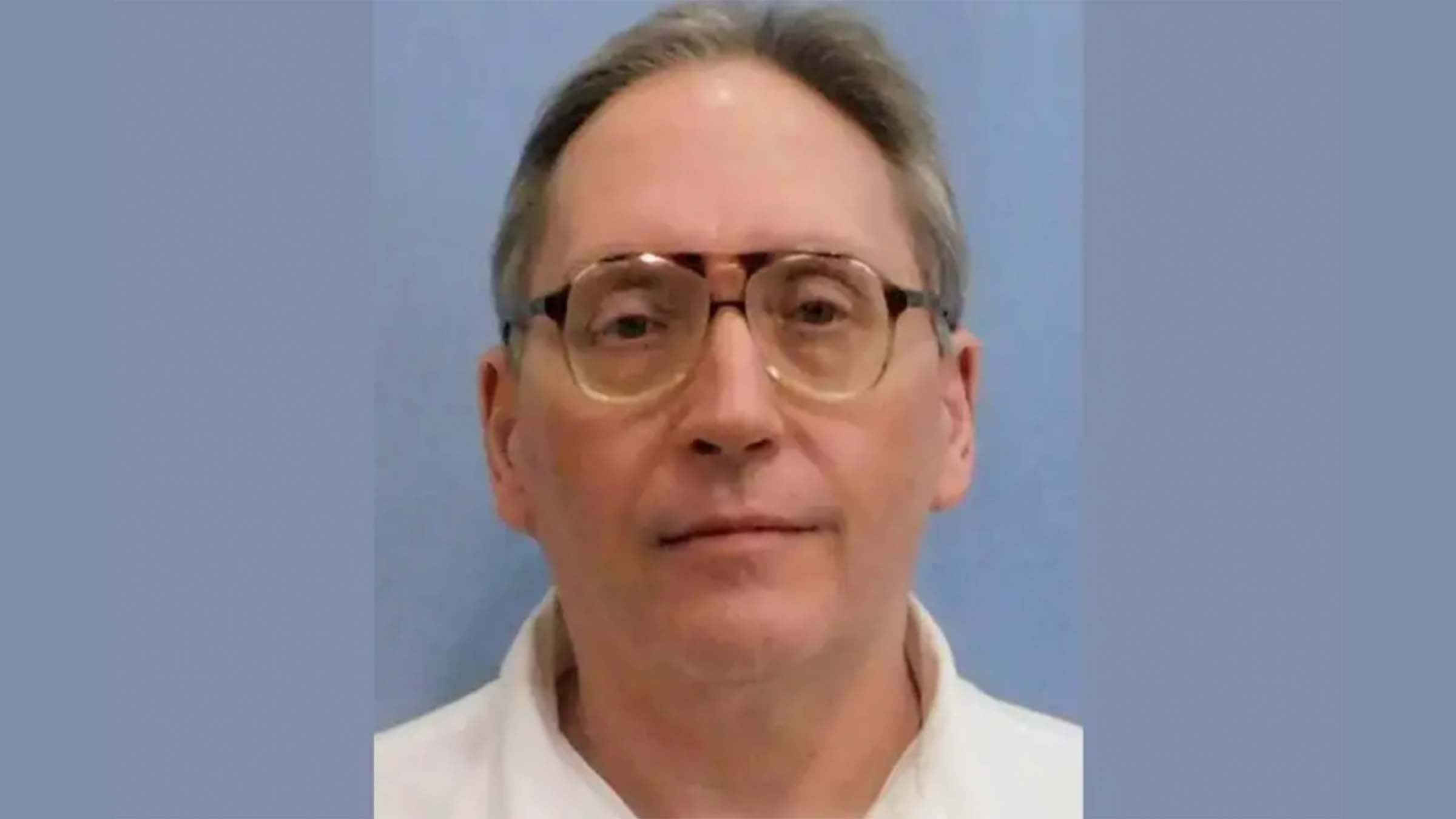
Now, a year after that controversial execution, Ivey has set a timeframe for the execution of James Barber.
The state will have from 12:00 a.m. on Thursday, July 20 until 6:00 a.m. on Friday, July 21, to carry out the execution, an additional six hours compared to the previous window of time.
Barber, now 64, was convicted in Madison County in the 2001 murder of 75-year-old Dorothy Epps. Barber beat Epps to death with his fists as well as a claw hammer.
The state has set Barber to die by lethal injection despite his attorneys’ request for execution by nitrogen hypoxia, which the lawsuit calls “a readily available alternative.”
The state failed to execute both Alan Miller and Kenneth Smith using the lethal injection procedure.