





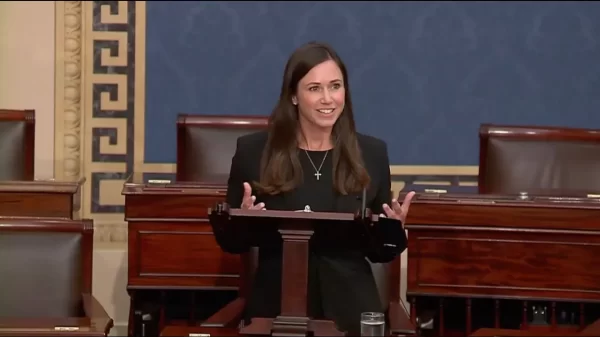











The Alabama Senate on Tuesday unanimously passed a bill that renews and restructures the state’s Sickle Cell Oversight and Regulatory Commission, with changes that will expand access to care and improve coordination of services statewide.
Senator Linda Coleman-Madison and Senator Robert Stewart, both Democrats, sponsored the bill. It extends the life of the commission through October 1, 2030, allowing it to continue overseeing sickle cell programs, coordinating education and treatment efforts and advising the state on how best to serve patients living with the disease.
The commission is subject to Alabama’s sunset law, which requires periodic legislative review to determine whether boards and commissions should continue.
Senator Merika Coleman, D-Pleasant Grove, spoke in support of the bill and emphasized the personal and public health stakes involved. She described witnessing the effects of sickle cell disease through a close friend’s family and said the experience underscored the importance of continued state involvement.
Coleman-Madison noted that while the state already conducts sickle cell testing in certain settings, including for high school athletes, many individuals and families still struggle to access consistent resources.
Currently, only a handful of sickle cell treatment centers operate in urban areas across the state. The legislation reorganizes the commission and makes it a division within the Alabama Department of Public Health, which has offices in nearly every county.
Coleman-Madison noted that placing sickle cell services within that existing public health infrastructure would make programs more accessible, reduce administrative inefficiencies and improve outreach, particularly in rural areas.
Senators discussed the financial and logistical challenges currently facing sickle cell organizations, including the cost of traveling across the state to reach patients. By strengthening ties to the health department, they said, the commission would be better positioned to manage supplies, education efforts and public awareness campaigns, all of which are central to improving care for people living with the disease.
Coleman-Madison offered one amendment during a Senate Fiscal Responsibility and Economic Development Committee meeting last week that makes adjustments to how the commission contracts for administrative services. Under the change, any contracts in place before the bill takes effect would remain valid until they expire, and the commission would be permitted to enter new agreements for administrative support only if those agreements terminate by October 1, 2026, “when all real and personal property and all other effects of the commission shall transfer to the department.”
The amendment also clarifies that the bill would take effect immediately upon becoming law.
Senator Sam Givhan offered a separate amendment that reshapes parts of the commission’s organizational structure and appointment process.
The changes would transfer all commission property to the state health department and shift board members from being appointed subject to Senate confirmation to a system in which members serve upon appointment unless the Senate actively rejects them. The amendment also includes provisions on membership expectations and attendance.
After adopting the amendments, the Senate passed SB 128 on a unanimous vote. The bill now moves to the Alabama House of Representatives for consideration.