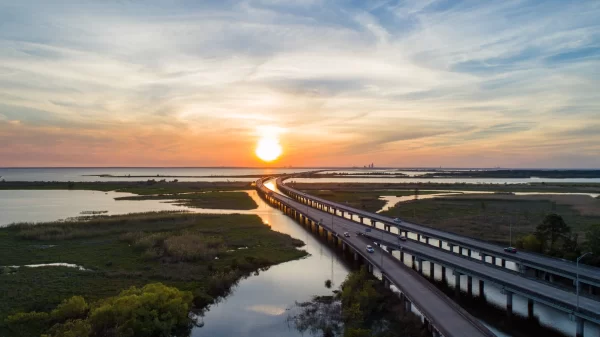










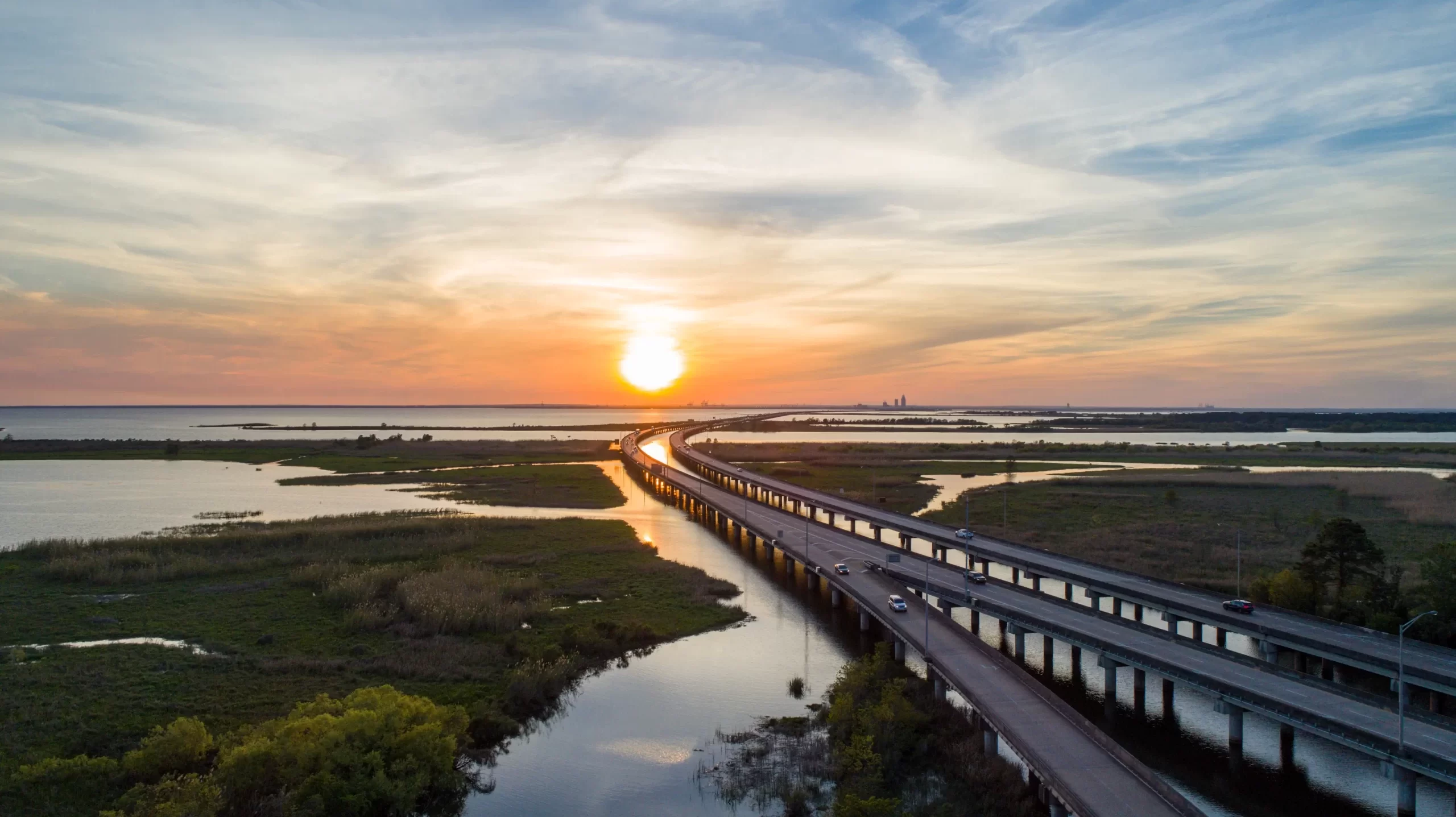
An Alabama House committee advanced a bill on Wednesday to curb the dumping of dredged soil and materials in the Mobile Bay.
House Bill 181, sponsored by Representative Rhett Marques, R-Enterprise, would limit the amount of dredged material that may be released in Alabama’s coastal areas.
A hearing was held by the House Ways and Means General Fund Committee for Marques’ legislation, during which two amendments were adopted and the bill was unanimously approved.
The bill would mandate that any individual who annually dredges over a million cubic yards of material in coastal areas to “beneficially use” 70 percent of the dredged material.
Beneficially used dredged material may include using the material for marsh creation, shoreline restoration on Dauphin and Sand islands, including constructing living shorelines or depositing the material in public waters.
HB181 empowers the Alabama Department of Environmental Management and the Alabama Department of Conservation and Natural Resources to adopt rules or revise the Alabama Coastal Area Management Program to implement the bill’s provision.
“This is an important bill to all Alabamians,” Marques said during the committee meeting. “The bay is important to all Alabamians—Alabama. It is an economic driver and a tourism driver for all the state, and this bill is being presented as that.”
The committee adopted an amendment to ensure that no funds from the state general fund may be extended to individuals in order to comply with the bill.
Also adopted was an amendment ensuring that additional funding, potentially necessary for entities to comply with the bill, will not be drawn from the Alabama Port Authority.
“They are both friendly amendments,” the bill’s sponsor said. “This gets everyone to where they are happy with it. Chairman Reynolds wanted to make sure that the general fund was protected, and ports wanted to make sure that the federal dollars were intact and protected also.”
Marques thanked the committee, the port authority and the Baykeeper for their involvement in advancing the bill.
Last week, the U.S. Army Corps of Engineers and the port authority released a fiscal note for Marques’ bill estimating the legislation would cost the state an additional $65 million annually.
Senator Chris Elliott, R-Josephine, who is carrying the Senate version of the bill, dismissed the note during an appearance on radio program, the “Jeff Poor Show,” last Friday, arguing the legislation will only impact federal entities conducting dredging projects in the area, such as the Corps.
“That note will change,” Elliott said. “This isn’t going to cost the state anything. The fiscal note should be zero because this is a federally funded project.”
The lawmakers’ legislation follows controversy surrounding the U.S. Army Corps of Engineers’ depositing materials dredged during its dredging of the Mobile Ship Channel.
The Corps utilized “thin layer placement” dredge dispersal, where the material dredged from the channel was deposited back in the bay. Last year, the corps completed its years-long project to expand the channel’s capacity.
However, during the project’s execution, local fishers and community members expressed opposition to the material being deposited in the bay, with the Mobile Baykeeper threatening to sue the Corps over concerns that the mud dumping would endanger Gulf Sturgeon habitats.
The Baykeeper, which has projected that the Corps is expected to release 90 million cubic yards of dredge spoil in the bay over the next 20 years, has publicly endorsed Marques and Elliott’s legislation, calling on Alabamians to sign their petition urging Alabama lawmakers to pass the bills.
The organization published a report in 2019 that summarized criticisms of dredge disposal in the bay, which found that the practice negatively impacted oysters, seagrass, marine food chains and shoreline erosion in the region.
The dredging issue has also prompted a response from Alabama’s federal delegation.
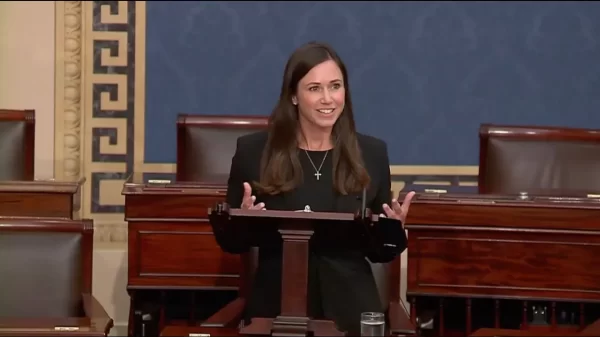
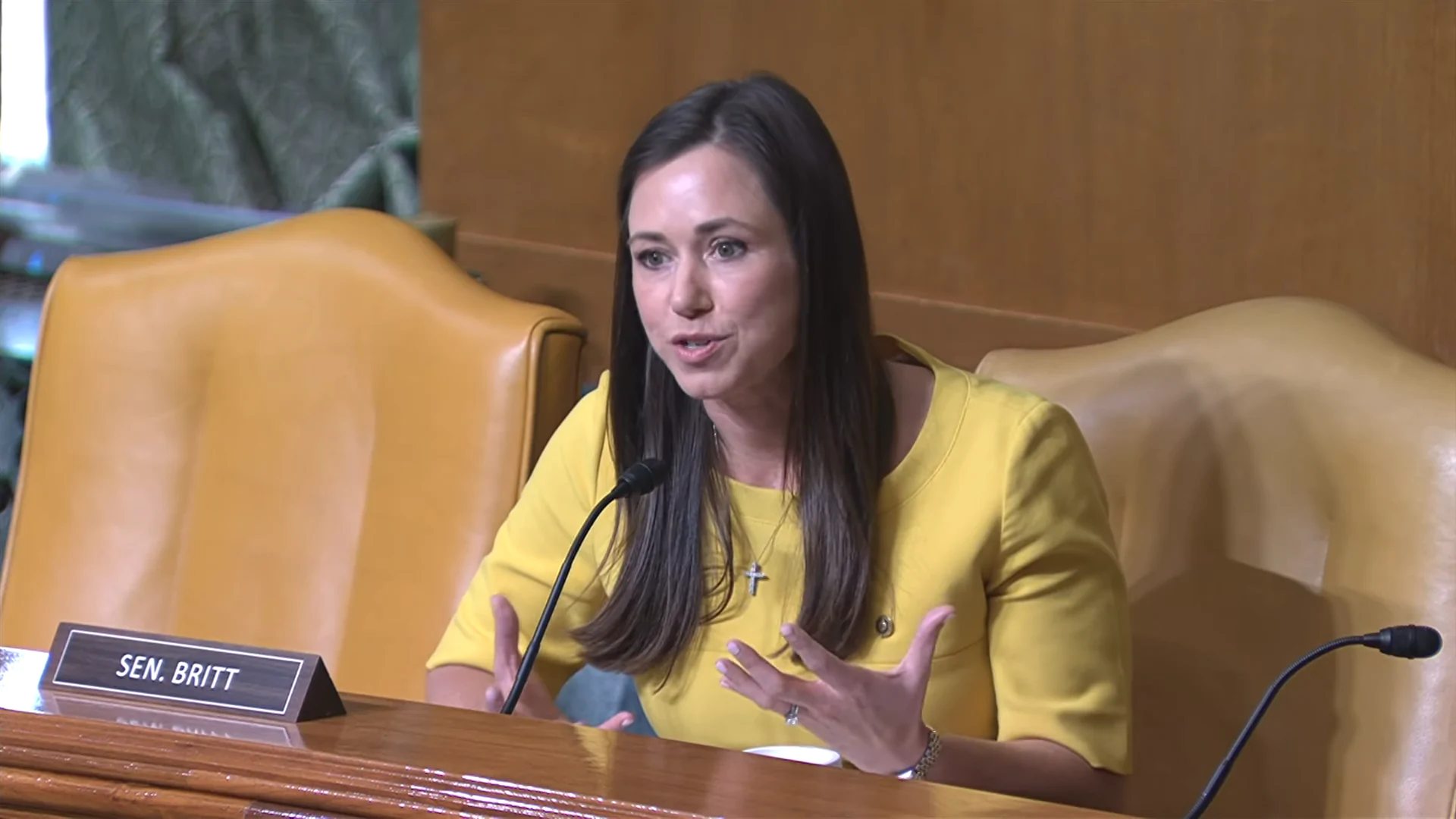
Last week, Senator Katie Britt, R-Alabama, through an FY26 appropriations bill, secured $10 million for beneficial use of dredged material in the Mobile Channel, the upper Mobile Bay and Dauphin Island, alongside $7 million for investigations and surveys on dredging’s impacts in the area.
HB181 will now advance to a vote in the Alabama House.
If passed, the law will go into effect October 1.