












On July 4, 2025, my eight-year-old daughter, Sarah, died in a catastrophic flood while attending Camp Mystic in Texas. Twenty-six other girls died alongside her.
We are an Alabama family. Like many parents, we trusted that when we sent our child to a summer camp—especially one with a century-long reputation—basic safety systems would be in place. We assumed there would be transparency about risks, trained staff, emergency communication and evacuation plans. That assumption cost our daughter her life.
What happened at Camp Mystic exposed dangerous gaps in how youth camps are regulated, monitored and held accountable. Those gaps exist not only in Texas, but in Alabama and across the country.
Camps are entrusted with children during some of the most vulnerable moments of their lives—sleeping away from home, often in remote locations, entirely dependent on adults for safety. Yet in many states, camp safety regulations are minimal, inconsistently enforced or outdated.
Camp Mystic is located in “Flash Flood Alley,” one of the most flood-prone regions in Texas. Flooding there is routine, predictable and well-documented. Yet parents—most of whom live far away—were never told of this risk. That lack of transparency denied families the chance to make informed decisions about their daughters’ safety.
At Camp Mystic, there was no effective emergency communication system. Cell service in the area is unreliable, and counselors were required to surrender their phones. There were no walkie-talkies, no intercoms and no effective way to communicate evacuation instructions to each cabin. In an emergency where minutes matter, this void left staff unable to coordinate a response and left counselors and campers without guidance.
Even more alarming was the absence of a viable evacuation plan. Texas law requires licensed camps to have disaster plans, evacuation routes for occupied buildings and trained staff. Mystic had none of this. Their written plan explicitly prohibited evacuation and required campers to remain in low-lying cabins near the river. This was not a plan—it was an invitation for catastrophe.
These are not extraordinary failures. They are basic ones. And they are precisely the kinds of failures legislation is meant to prevent.
Alabama sends thousands of children to in-state and out-of-state camps every year. Parents reasonably expect that camps operating here—or serving Alabama families—meet rigorous safety standards. But many states, including Alabama, rely heavily on self-reporting, limited inspections and vague emergency planning requirements.
That must change.
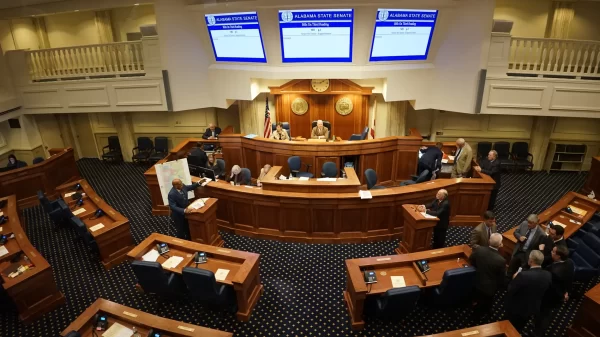
And with the “Sarah Marsh Heaven’s 27 Camp Safety Act,” it will. Filed this week by Rep. David Faulkner, R-District 46, this critical legislation requires camps to obtain a license to operate under state agency accountability. To obtain these licenses, camps will need to meet basic safety standards in alignment with The Campaign for Camp Safety’s core pillars of Prevention, Detection, Training and Response. The Act will include:
- Inspections and accountability measures to ensure compliance with safety regulations, including criminal background checks on summer camp staff;
- Robust emergency warning and alert systems;
- Mandatory staff training for health, safety and emergency response;
- Emergency preparedness, including hazardous weather protocols and evacuation procedures;
- Communication requirements, ensuring parents are properly informed about emergencies.
These measures are not burdensome. They are common sense. Many Alabama camps already implement these safeguards proactively. But we want to ensure that all camps in the state meet the most rigorous safety requirements that are already standard in many other youth-serving environments, such as in schools, athletic venues and childcare facilities.
As a professor specializing in facility and event management, I teach emergency preparedness and risk mitigation every semester. What failed at Camp Mystic would not pass even an introductory course on safety planning. That is not a matter of hindsight—it is a matter of negligence.
This is not about punishing tradition or eliminating the summer camp experience. Camps can be transformative places for children. Sarah experienced joy, independence and confidence during her short time at Mystic. Those experiences matter. We want them to continue—for all children.
But no tradition, no legacy and no institution is worth a child’s life.
Alabama lawmakers have the opportunity—and the obligation—to lead. By strengthening camp safety laws, Alabama can help ensure that families never again receive the phone call we did. That children are protected not by hope, but by preparation. And that parents can trust that no matter where they send their child to camp, their camper will be safe.
Sarah and the other 26 girls deserved better. The least we can do is ensure their deaths lead to real, lasting change.


