












Alabama joined an amicus brief with 20 other states, led by Missouri, asking that the Supreme Court overturn a decision that voided a Pennsylvania election law.
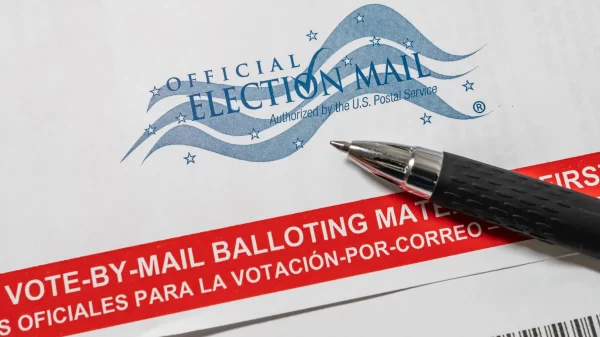
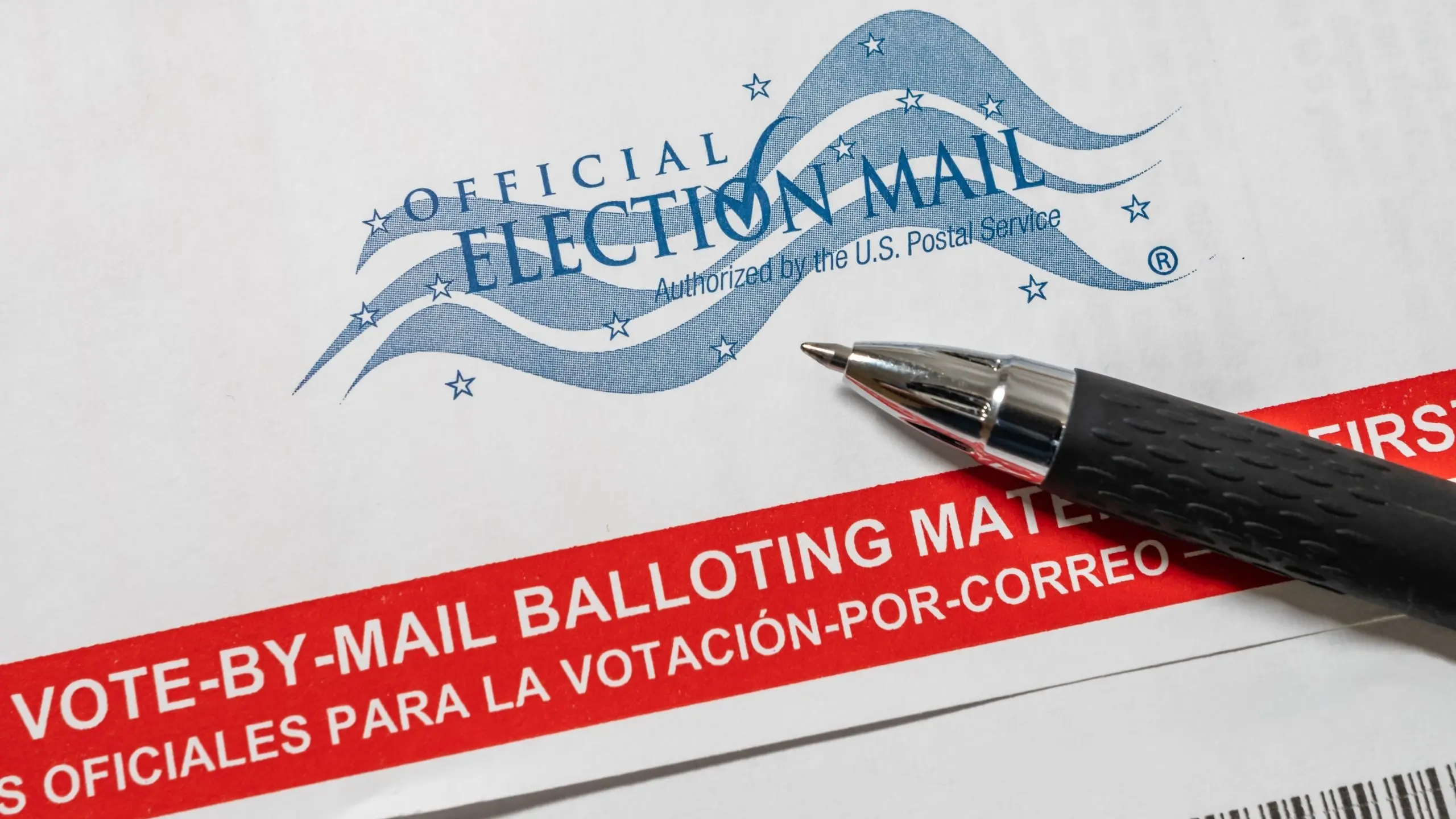
At the center of the dispute is a Pennsylvania requirement that voters handwrite the date on mail-in ballot envelopes, a rule that federal appellate courts have blocked but that Marshall and other Republican attorneys general argue is both lawful and necessary.
Filed in support of a petition by the Republican National Committee, the brief argues that the 3rd Circuit of the U.S. Court of Appeals should not have invalidated the Pennsylvania law. They say that doing so “interferes with the authority of state legislatures to regulate elections and oversteps constitutional limits on the judicial role.”
The Pennsylvania law in question has proven contentious, as many voters in the state have had their mail-in votes rejected or not counted when the handwritten date on the return envelope was incorrect or missing. Thousands of voters have their mail-in ballots rejected every year due to this mistake.
“Requiring individuals voting by mail to handwrite a date obviously does not impose a severe burden on voters,” the brief reads.
Courts determined that rejecting ballots over missing or incorrectly handwritten dates violates federal law because the error does not affect a voter’s eligibility. That interpretation has been upheld by a federal appeals court, setting the stage for a potential Supreme Court review.
Marshall and the multistate coalition are backing a request from national Republican groups to overturn that ruling, arguing that it improperly substitutes federal judgment for state legislative decisions.
In an announcement from his office, Attorney General Steve Marshall framed the case as a direct challenge to what he described as federal overreach into state-controlled elections.
He argued that states have primary authority under the Constitution to set the rules governing how elections are conducted, including procedural requirements for absentee and mail-in voting.
“The Founders were clear that states control elections. When federal courts decide they know better and start striking down commonsense election laws that do not significantly burden anyone’s right to vote, that’s a power grab. We’re fighting back,” said Marshall.
By contrast, he contends that the federal court decision undermines states like Alabama’s ability to enforce similar safeguards and opens the door to broader judicial interference in election administration.