















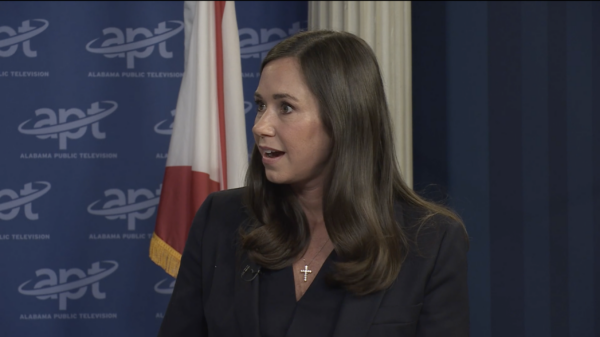

















U.S. Sen. Katie Britt, R-Ala., is backing a bipartisan effort to impose new sanctions on Russia and Iran after the Senate voted overwhelmingly to advance legislation championed by the late Sen. Lindsey Graham, R-S.C.
The Senate voted 86-12 on Wednesday to advance the Lindsey O. Graham Sanctioning Russia and Iran Act of 2026, clearing a key procedural vote for the legislation.
Britt is among a bipartisan group of senators who helped negotiate an agreement to move the bill. The measure is designed to increase economic pressure on Russia over its war in Ukraine and expand sanctions against Iran, while giving the president additional tools to punish countries that continue doing business with sanctioned nations.
The legislation would authorize sanctions against Russian officials, oligarchs, financial institutions, and other entities that support Moscow’s war effort. It also targets Russia’s “shadow fleet” of vessels used to transport oil and other commodities while attempting to avoid international sanctions.
One of the bill’s most significant items would allow the president to impose tariffs of up to 500 percent on countries that purchase Russian oil, gas or uranium. Supporters argue the measure would make it more difficult for Russia to use energy exports to finance its military operations in Ukraine.
The bill also would extend existing sanctions on Iran through 2031, targeting parts of the country’s energy and weapons industries.
On the Senate floor, Britt said the legislation is closely tied to Graham’s efforts to pressure Russia and Iran before his death.
“It is an honor to now help champion one of his highest priorities. And not just for Lindsey, but importantly, for the doctrine in which he so deeply and passionately believed, and that, Mr. President, is peace through strength,” said Britt.
Britt said the bill would prevent Russia from using energy sales to fund its war.
“This legislation will give the president the tools and the economic firepower that he needs to sanction individuals who fund Russia’s war and its machine, to stop countries from purchasing Russian oil and gas, that is Putin’s financial lifeline,” said Britt.
The Senate vote came as Ukrainian President Volodymyr Zelenskyy visited Capitol Hill and met with lawmakers. Zelenskyy later watched the Senate proceedings from the gallery as lawmakers advanced the sanctions legislation.
The measure has attracted more than 60 Senate cosponsors, signaling substantial bipartisan support. However, the bill still faces additional procedural steps before a final Senate vote.
For Britt, the legislation is part of a push to use U.S. economic leverage against adversaries while supporting Ukraine and countering Iran’s influence.
“Today, we have an opportunity to advance this legislation at a critical juncture in the war, where Russia is the weakest that it has been since the start of the war more than four years ago,” said Britt.
The Senate is expected to continue working through the sanctions measure as lawmakers attempt to finalize the legislation in the coming weeks.