














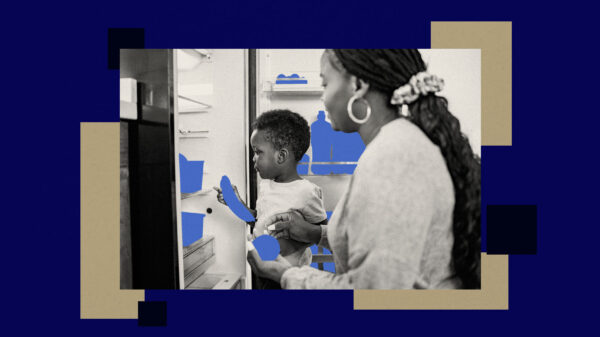


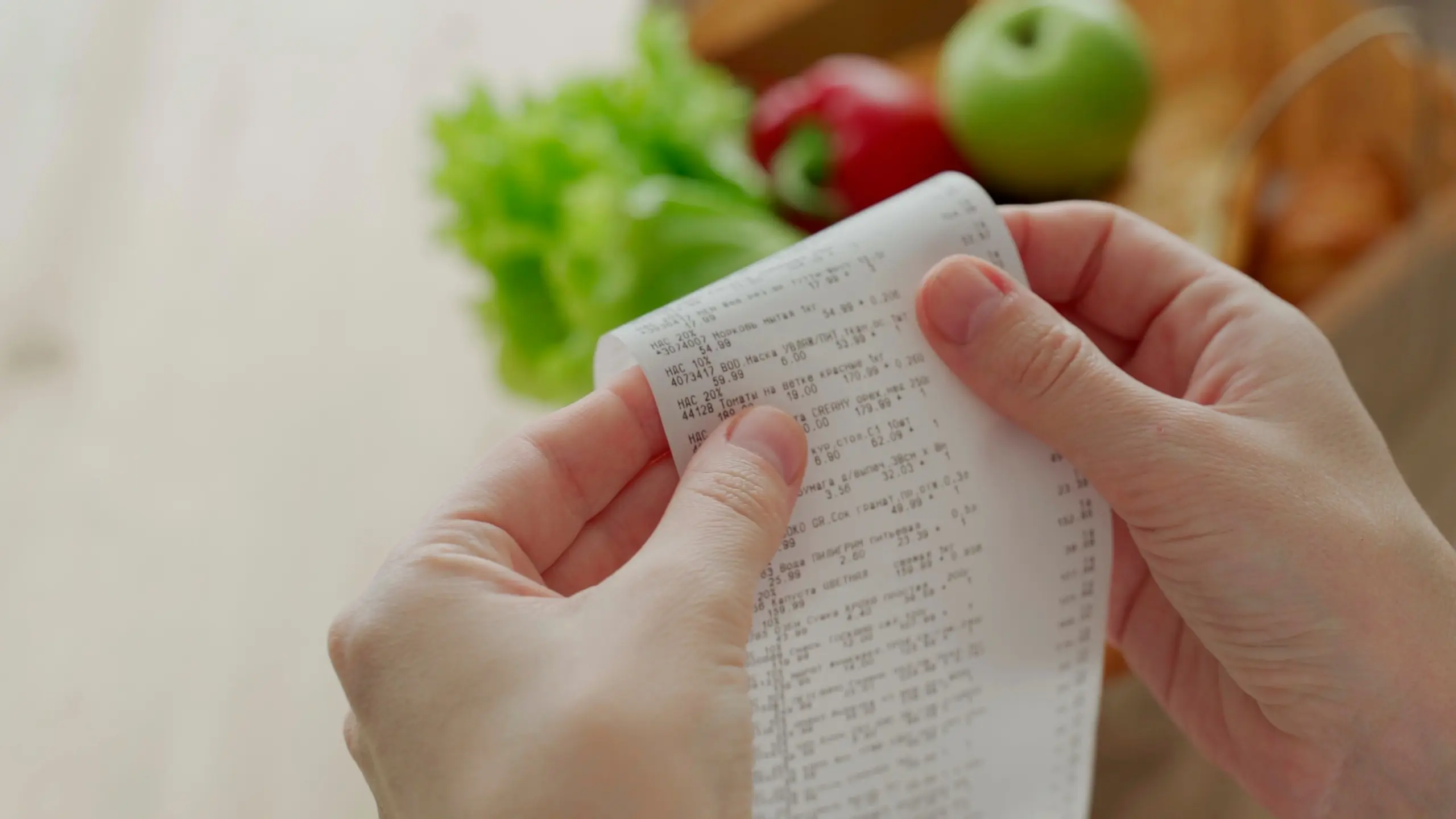
We feel it every time we walk into the grocery store. The price of nearly everything keeps rising, from beef and fresh produce to the gas needed to get there. As costs increase, many families have to visit multiple stores to find the lowest prices on the basics.
In this economy, Every Penny Counts.
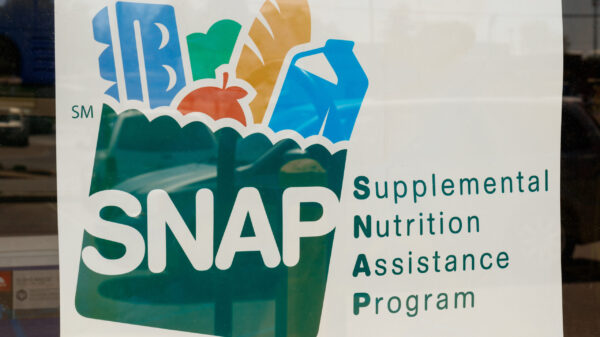
For families who rely on the Supplemental Nutrition Assistance Program, SNAP, putting food on the table has become especially difficult. Since 2025, SNAP benefit changes in Alabama have caused nearly 82,000 people to lose food assistance, including over 23,000 children.
According to Feeding America, a national organization of food banks, food pantries and local meal programs, 919,160 Alabamians face hunger every day, including 276,640 children. That means almost one in four children in our state is at risk of going without enough food.
We must not dismiss these numbers as statistics on a page. This data represents children, parents, seniors and people with disabilities who may not know when they will get their next meal.
Yet Alabama still has a 2 percent tax on groceries, on top of county and municipal grocery taxes that vary widely throughout the state. Depending on where a family lives, local taxes can make the total grocery tax substantially higher. For example, in Jefferson County, groceries are taxed at a combined rate of 6 percent: a 2 percent state tax, a 2 percent county tax, and an additional 2 percent local tax. In Tuscaloosa, the combined tax rate is the highest in Alabama, with families paying a combined 10 percent on every grocery shopping trip.
Especially now, when we are all dealing with the extreme Alabama summer heat, most families do not realize that they are also paying this tax on the bottled water they buy to keep their families hydrated as temperatures soar. We are taxing one of life’s most basic necessities at a time when many families are already struggling to make ends meet. That is right, they are even taxing water at the grocery store!
That is why my colleagues and I, in the Alabama House Democratic Caucus, have fought for years to end Alabama’s grocery tax for good. I am grateful that over the last few years we have been able to cut it in half. But Alabama families should not have to continue paying a tax simply because they need to eat. It is long past time to end it permanently.
During the 2026 legislative session, a bill was passed that created a two-month grocery tax “holiday” in May and June. That simply was not enough. Unfortunately, the tax holiday took effect while most kids were still in school, not during the summer, when parents face additional food expenses. It would have made sense during the holidays. Parents face even higher grocery bills during the summer when children are home and may no longer receive breakfast and lunch at school. A temporary suspension for two months cannot substitute for permanent reform. If Alabama can suspend the tax for two months, we can find a responsible way to eliminate it for good.
Ending the tax altogether would make even more sense. During that same session, lawmakers also passed “A Second Amendment Sales Tax Holiday,” legislation that would exempt firearms and other firearm-related items from the state’s 4 percent sales tax. At a time when families are struggling to put groceries on the table, we must ask ourselves whether this is where our priorities should lie.
This crisis affects more than individual households. It also threatens Alabama businesses and local economies. USDA reports that every $1 a person receives in SNAP benefits generates $1.50 to $1.80 in economic activity, supporting grocery stores with razor-thin profit margins. Due to the SNAP cuts, well over one hundred stores throughout the state may be forced to close. These dollars are spent in neighborhood grocery stores, supporting jobs, farmers, wholesalers and transportation businesses. When food assistance is reduced, the economic loss spreads throughout the community. We simply cannot afford to let that happen.
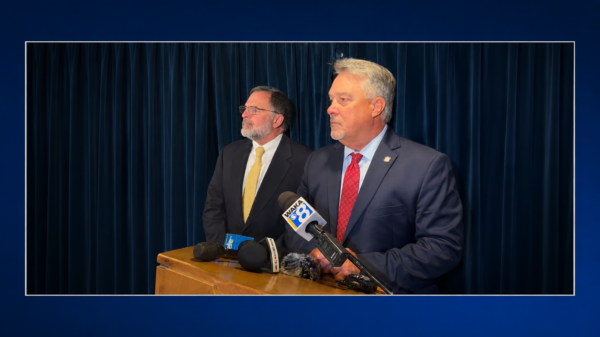
Eliminating the remaining 2 percent state grocery tax may not seem like a lot, but it would save Alabama families over $150 million. This is real money for working families to help pay for school supplies, medication, utility bills, or gasoline needed to get to work. We will discuss that when the Alabama Joint Study Commission on Grocery Taxation meets again in preparation for its final report, due in November.
Please contact your legislator and tell them it is time to end this regressive tax. It is hurting working families all across Alabama as prices continue to rise. No child in this state should ever have to go to bed hungry. No parent should have to choose between buying groceries, filling up the tank to get to work or purchasing medication.
As we approach the next legislative session, this must be one of our top priorities. We cannot drag our feet or assume this problem will solve itself. We need to come together to end hunger in our state. In Alabama, we say that we pride ourselves on family values. It is time to put our money where our mouth is and ensure that our most basic needs are met.
Look around. Alabama families are struggling to make ends meet.
Every penny counts.