













I’ve been to the doctor twice this year, ostensibly for strained vocal cords. Like I’d spent a week calling the dawgs at Sanford stadium. I didn’t. After two unpleasant vocal chord scopes it turns out my chords aren’t strained at all. They’re atrophied. The doctor’s advice? Talk more. (That’s a prescription I’m qualified to follow.) But how can that be? I feel like I spend all day on Zoom calls and communicating with other people. So, I started to wonder, am I really talking less than I used to?
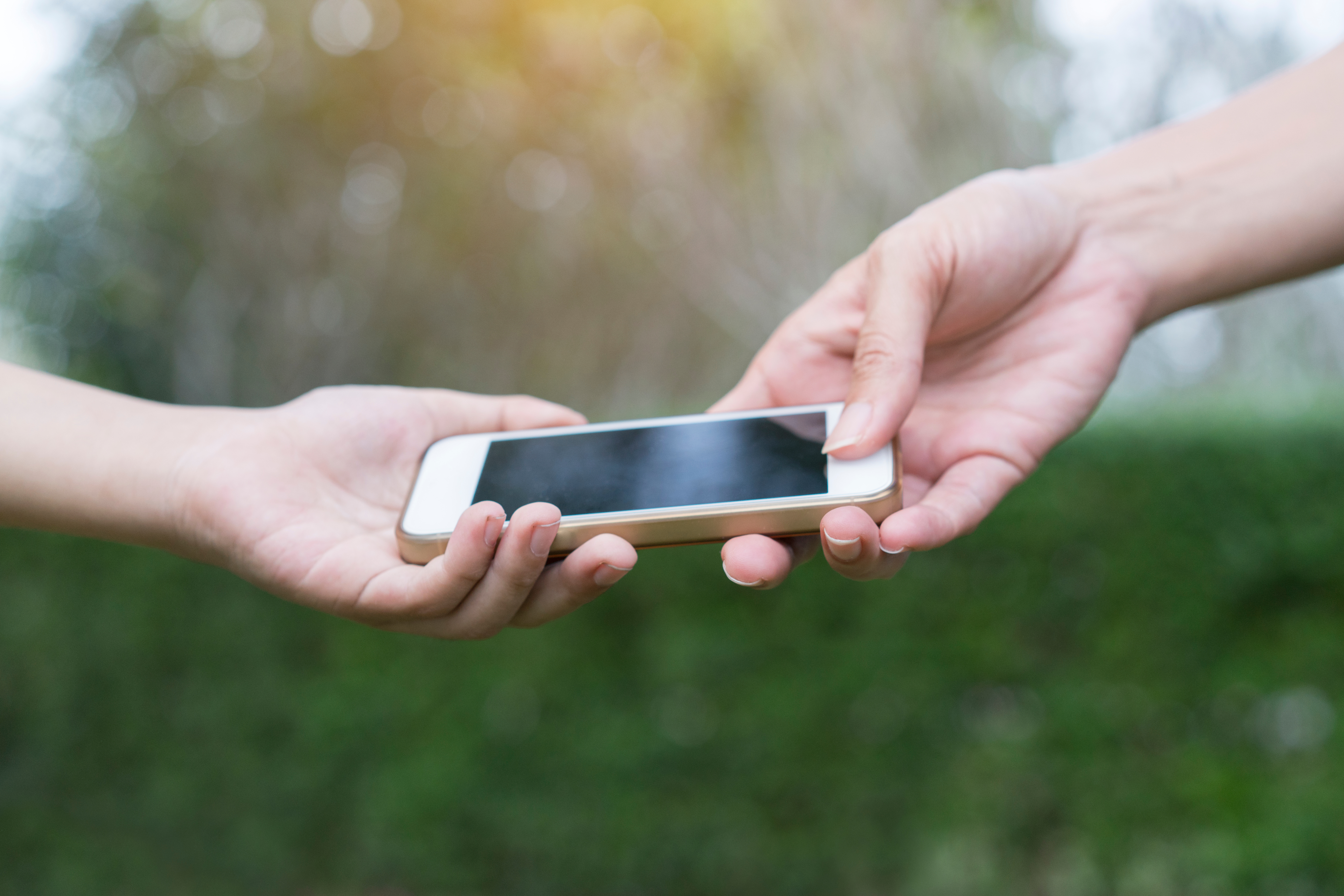
Turns out, research suggests that while we’re communicating more, we’re talking less today. In 2005, the average person spoke approximately 16,000 words each day. By 2019, that number had fallen to fewer than 13,000. Researchers determined that we now speak about 300 fewer words per day—year-over-year. Younger people experienced an even steeper decline, speaking about 450 fewer words per day, year-over-year. Over the course of a decade, it represents thousands of conversations that never happened. It’s a slow burn, but profound once you see the bigger picture. Text messaging, e-mail and social media replaced real conversations. Ironic that the smartphone killed the telephone, huh? None of this technology is inherently bad. Texting is efficient. Email is convenient. Video calls allow grandparents to read bedtime stories to grandchildren from thousands of miles away. But convenience has a habit of quietly replacing things we never intended to lose. Like my vocal cords.
Technology slowly erased casual interactions. I scan my own groceries. I never go to the bank, and I haven’t asked for directions since Bill Clinton was in office. This is either progress or the early stages of becoming an introvert. In 2005, the average person spoke approximately 16,000 words each day. By 2019, that number had fallen to fewer than 13,000 words per day. Each innovation makes perfect sense in isolation. But collectively, they engineered the spoken word out of everyday life. And that cost me $1,600 in deductibles and co-insurance for throat scopes.
Maybe less conversation is better. I mean, have you ever honestly answered the question “how are you”? Does the cashier really want to know that your PeePaw is in the hospital again and you need a new radiator? My favorite is the restaurant valet who asks “so, how was everything?” Do you really think the valet cares that your steak wasn’t medium rare plus? Yet we play along like he’s a restaurant critic for The New York Times: “you simply must try the Dover sole. It’s exquisite.” Individually these interactions seem insignificant. Collectively, they are part of the social fabric-the warmth of being American. Even brief interactions with strangers improve our mood. Particularly for those who are isolated or lonely. Academics call these moments “weak ties”— casual relationships we have with neighbors, baristas, coworkers, and familiar strangers. I used to wonder why retired folks went to the post office and the bank so often. Now I know.
Younger generations grew up over-communicating via SnapChat, Insta and text. That’s why they are losing 450 words each year. The irony is that after all those years of communicating, young people have terrific anxiety over making an actual phone call. Apparently the most terrifying feature on a smartphone is still the phone. I’m not suggesting we abandon this new technology. Or that we should romanticize some golden pre-technology era. We are not simply speaking differently. We are speaking less. At this rate it’s only 43 years until we stop talking altogether.
We spent twenty years replacing conversations because they seemed inefficient. But perhaps the inefficiency was the point. The cashier. The bank teller. The taxi driver. The travel agent. The waiter. None of those conversations were necessary to accomplish the transaction. They were the human part surrounding the transaction. Technology saves time. But maybe some of that wasted time was good for us. We occasionally learned something and we stretched our vocal cords. And without really noticing, we reminded each other that life is not a solo sport. I’m not giving up on technology. But I’m also not going back to stopping at gas stations to ask for directions. Or using pay phones. Remember pay phones?
And I’m now talking to the cashier, to the Uber driver, to the guy standing next to me in line scanning his groceries. I’m even talking more to my dog, Peanut. She doesn’t say much. After all, my doctor prescribed it. And at $1,600, I intend to talk until I’ve gotten my money’s worth.
I’m just a normal guy sitting in a Waffle House booth writing stuff I hope you’ll enjoy. Shoot me an email at [email protected]. I promise that you’ll hear back from me unless my hash browns are ready.