


Environment
The "Save Our Bay" law requires 70 percent of dredged sediment go towards "beneficial uses" in the Mobile Bay area.
Hi, what are you looking for?


The V: Undecideds surge as money reshapes Alabama’s 2026 races

Lawrence County GOP backs Doc Mancuso for District 7 ballot

Terry Waters announces candidacy for Alabama Senate District 22

ABPAC endorses Derek Chen for Alabama State Auditor

Grant Blackburn announces candidacy for Baldwin County District Court judge

Alabama governor signs law allowing death penalty for child predators

Gov. Ivey establishes board to oversee emerging technology
Gov. Kay Ivey signs law to limit Mobile Bay dredge dumping

Gov. Ivey shares support for energy cost bill package

Governor announces appointments including Baldwin and Cullman County circuit judgeships

Alabama home sales, median prices soar in 2025 report

German chain manufacturer to invest $34M into new Auburn operation

Alabama achieves record $14.6 billion in economic development investment
Alabama home sales drop 3 percent in December amid seasonal trends
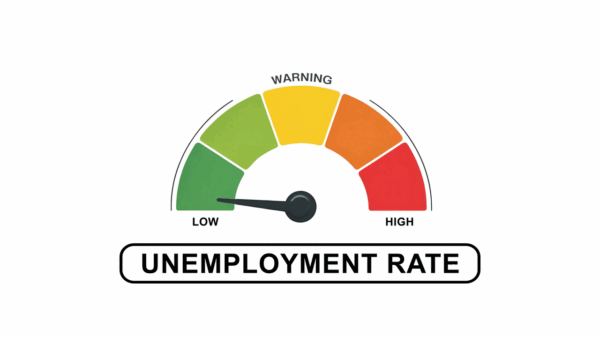
Alabama’s unemployment rate drops to 2.7 percent in November

Democrats call for investigation into IRS taxpayer data leak

Mobile, Hoover pause internet sales tax challenge
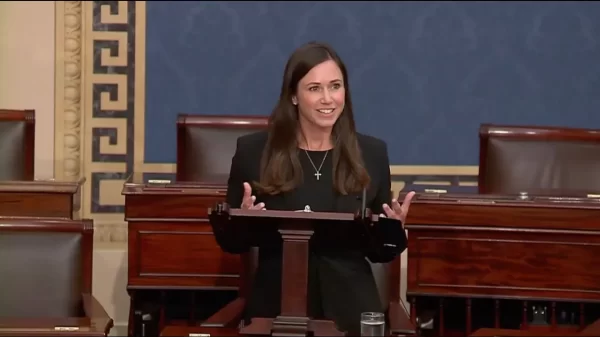
Sen. Britt join colleagues in introducing the CLEAR LABELS Act

Brookside accepts settlement, including $1.5 million compensation proposal

Commemorative coin for America’s 250th anniversary gets unanimous House support

Alabama State University to host Montgomery.AI summit in March

Senate committee approves abstinence-based sex ed bill
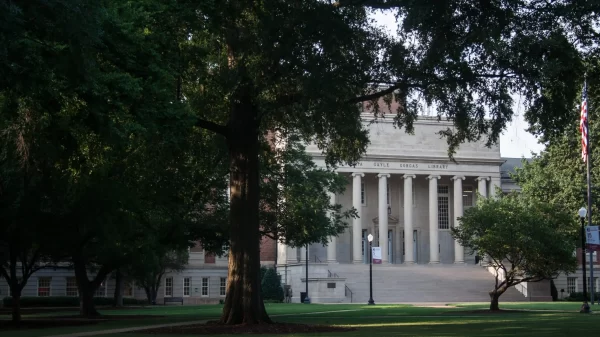
Bill passes Senate allowing UA to reorganize School of Social Work despite public pushback

ALSDE seeking expanded funding to sustain literacy gains
Alabama House debates, passes bill to let UA restructure social work school

L. Keith Granger recognized with Alabama Healthcare Hall of Fame induction

Alabama Rural Hospital Investment Program reaches $20M cap in just one month

Governor marks first meeting of Alabama Rural Health Transformation Advisory Group

Alabama Healthcare Hall of Fame to induct 12 healthcare figures

Breast, prostate cancer screening bills advance to Alabama House for vote


How politics became identity, and why seriousness—not slogans—must anchor a functioning democratic republic.

Speakers at the public hearing on the bill blamed chemtrails for the flooding of Camp Mystic in Texas last summer.

We are killing our natural resources. And our conservative lawmakers are actively participating in the criminal acts against them.

Governor Kay Ivey urged Alabamians to stock up on tax-free emergency supplies from February 20-22 ahead of the upcoming tornado season.

Polling volatility, outside spending and structural reforms could redefine Alabama’s Senate, PSC oversight, and economic development landscape in 2026.

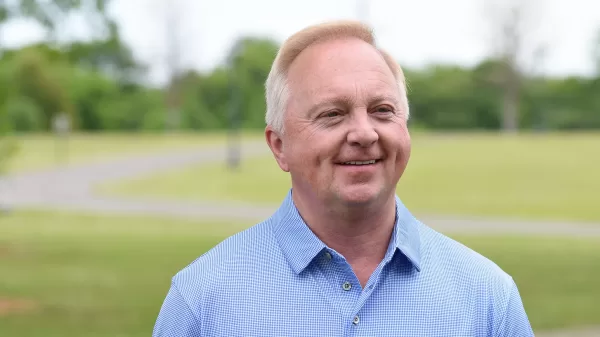
Stan Cooke announced his candidacy for Alabama Republican Party chairman Friday, vowing to unify the organization and advance an "America First" agenda.


City officials will honor local students and businesses February 21 during a community celebration featuring a giveaway of 14 tree species.

Lawrence County Republicans backed Dr. Angelo Mancuso’s primary candidacy, opposing efforts to remove him from House District 7 ballot.


A restructuring bill raises urgent questions about political power, historical integrity and who decides Alabama’s official story.


Alabama keeps trying abstinence-only sex ed. It has failed spectacularly. So we're going to try it more.

As bipartisan reform advances, long-standing claims about the PSC’s structure take an abrupt and revealing turn.
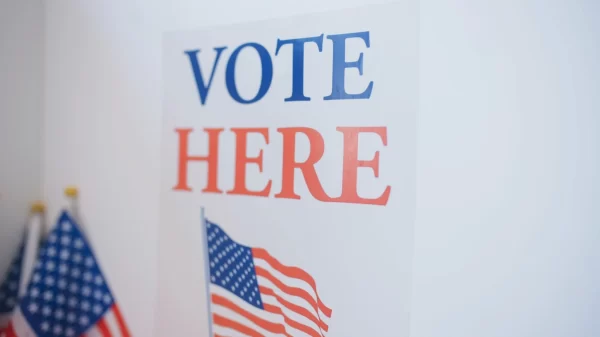

It's nice that people seem to suddenly care about voting for PSC members. But does it actually matter?


The Association of County Commissions and the Alabama Education Association achieved historic legislative success during the past two years of this quadrennium.


Alabama scheduled the nitrogen hypoxia execution of 75-year-old Sonny Burton, though jurors and the victim’s daughter urged the state for mercy.
The "Save Our Bay" law requires 70 percent of dredged sediment go towards "beneficial uses" in the Mobile Bay area.


The Senate passed a bill allowing local governments to remove library board members, sparking debate over politicization and local control.


Lawmakers unanimously approved the measure to reduce food waste and combat hunger by offering financial incentives for donating surplus agricultural products.

Alabama shoppers will see increased savings on emergency supplies and generators during the state’s severe weather preparedness holiday.


Lawmakers will consider legislation Wednesday requiring summer camps to obtain emergency preparedness licenses following a 2025 flash flood tragedy.


The Alabama House approved legislation Tuesday granting state leaders authority to remove board appointees who fail to fulfill their duties or responsibilities.
Bipartisan senators introduced legislation Tuesday requiring country-of-origin labels for prescription drugs to address transparency concerns within the global pharmaceutical supply chain.

Governor Kay Ivey backed a legislative package Tuesday aimed at reducing utility bills and strengthening Alabama's economic development efforts.


Hoover officials approved a $20 residential permit fee Monday to fund a new academy training workers for the construction industry.

Alabama homebuilders endorsed Derek Chen for state auditor Tuesday, citing his vision for disciplined government spending and a stable housing market.