
































A bill to limit the terms of Alabama legislators has been pre-filed and, if passed, would start with 2022 elections.
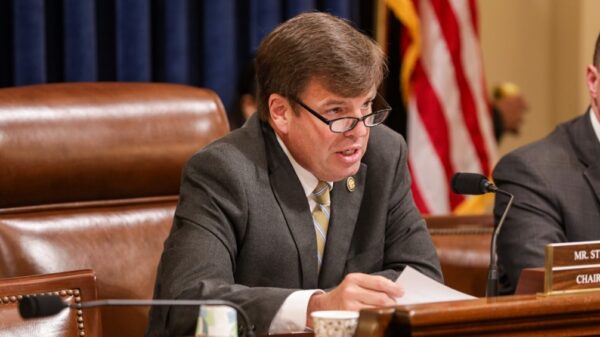
State Rep. David Wheeler, R-Vestavia Hills, announced on National Term Limits Day, Feb. 27, that he will be proposing a term limit bill to amend the Alabama Constitution.
Wheeler pre-filed the bill that would affect Alabama Senate and House of Representatives members.
“I have been a long-time supporter of term limits,” Wheeler said. “It was one of the issues I was most asked about during the last campaign. Poll after poll shows that Americans overwhelmingly support them. I think this measure addresses that desire without penalizing incumbents who have selflessly served our great state.”
The bill would serve an amendment to the Alabama constitution and place a two-term limit on anyone appointed to the state Senate or House.
It would also allow for an additional two years to anyone who was elected for a mid-term vacancy.
Current incumbents would not be penalized and would have the ability to serve for two more terms if re-elected.
The bill also allows members of the Senate to run for the House after they reach their two-term limit and vice versa.
Wheeler will propose this bill as one of his first actions in office, as he just began his first term.