



















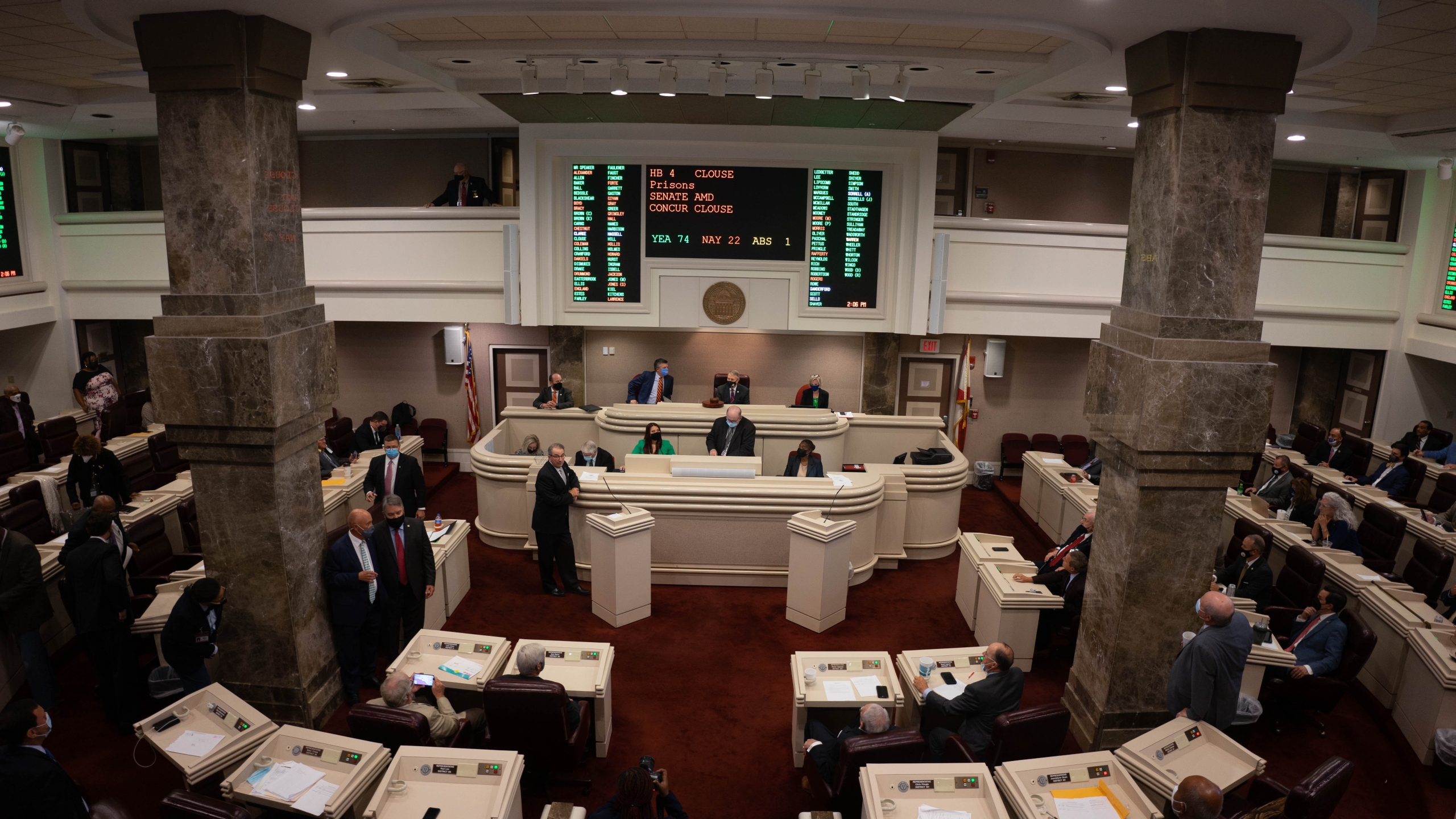
State lawmakers in Montgomery begin a special legislative session Wednesday on appropriating the state’s remaining American Rescue Plan Act funds, with broadband, sewage and water treatment, and increased funds for health care, as priorities, according to proposed legislation making the rounds between chambers.
Alabama has already received half of the combined $2.1 billion earmarked for the state from ARPA, a total of $1.06 billion, with the rest to follow later in the spring of this year.
In October of last year, $400 million of those ARPA funds were controversially approved for use in constructing new prisons in Alabama.
Alabama is left with roughly $771.9 million in available ARPA funds from the original half, combined with additional monies from a separate capital improvement fund provided by ARPA, to spend on the body’s desired priorities during the special session.
A draft of potential legislation began circulating around both chambers earlier this week, outlining how the state proposes spending the remaining ARPA funds.
The bill would provide roughly $277 million for broadband expansion, using the sum total of the capital improvement funds, nearly $192 million, for this immense expansion.
In another immense investment, the bill would provide the Alabama Department of Environmental Management up to $120 million for projects to increase access to clean water and improve sewer infrastructure throughout the state. Similarly, $100 million would be available as grants for municipalities to use for clean water and sewer infrastructure projects.
$5 million will also be given for septic tank systems in the Alabama Black Belt, a longstanding problem within some rural communities that do not have access to adequate waste treatment and discharging systems.
$80 million in reimbursable funds for hospitals and nursing homes, $30 million in rural hospital support and $20 million for emergency response providers are also included within the bill.
Additional allocations include nearly $80 million to Alabama’s Unemployment Compensation Trust Fund, $11 million to county jails in available reimbursement for keeping state inmates during the pandemic, and $7.8 for “reimbursement of costs for the administration, auditing, and reporting requirements of the state and local fiscal recovery funds,” according to the bill.
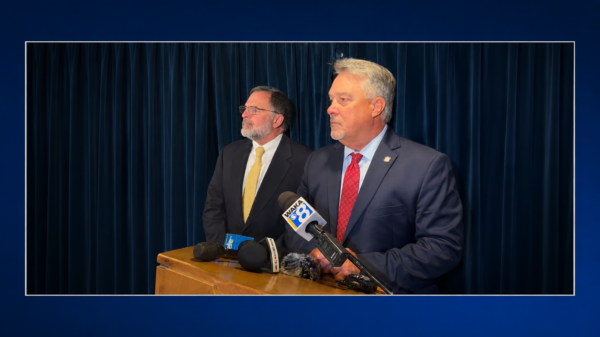
In a statement made Tuesday, Senate President Pro Tempore Greg Reed, R-Jasper, said he is confident that members will “advance a fiscally responsible plan that ultimately sees these significant funds invested in a way that aids pandemic recovery,” referring to legislation during the special session.
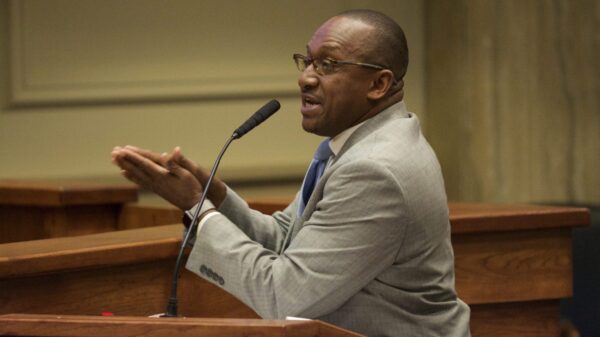
“I think we have done due diligence on it,” said House Majority Leader Nathaniel Ledbetter, R-Rainsville, in an interview with APR Tuesday.” We’ve been working on it for a period of time. Leadership’s met with the governor’s office on both House and Senate, and have come up to what we think is a fair agreement.”
The special session on ARPA fund appropriation will begin Wednesday, with members to meet in a joint conference at 1 p.m.