
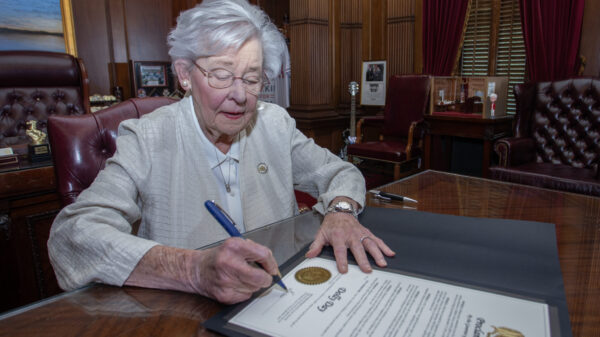




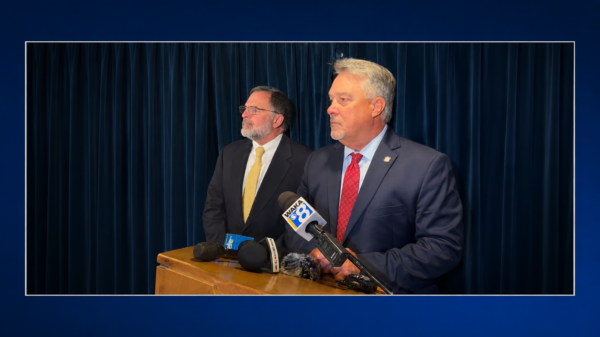









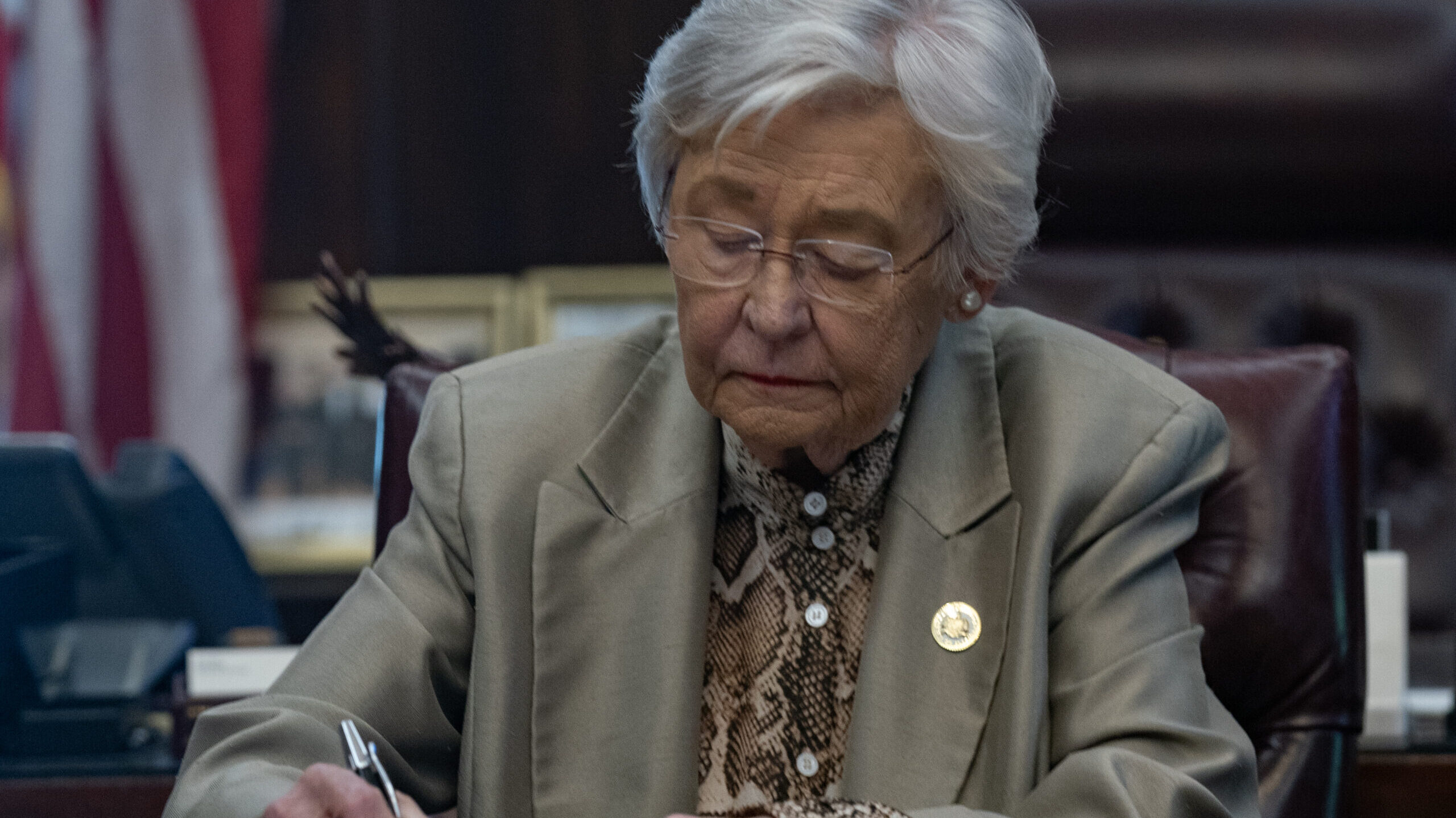
Mobile County District Attorney Keith Blackwood on Monday praised Governor Kay Ivey for signing the Devinee Rooney and John Wesley Holt Safe Streets Act (Act 2026-64) into law. The legislation, which takes effect October 1, 2026, “corrects major inconsistencies in Alabama law related to driving under the influence and leaving the scene of serious crashes,” Blackwood said in a news release.
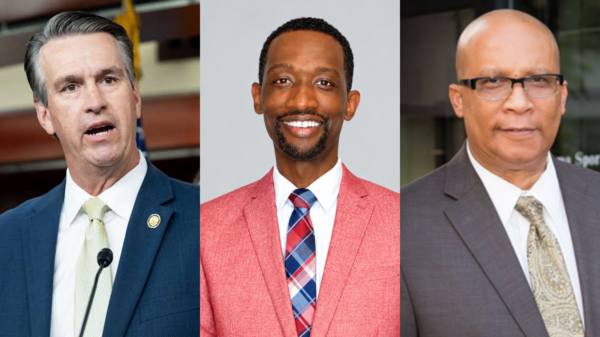
Blackwood worked closely with the bill’s sponsors, Senator David Sessions, R-Alabama, and Representative Margie Wilcox, R-Mobile, helping refine the bill’s language and traveling to Montgomery to testify before a legislative committee about gaps in the law prosecutors and victims’ families had encountered.
“This was a problem that needed to be fixed,” Blackwood said. “Under Alabama’s previous law, a driver who caused the death of another person while driving under the influence could potentially face a lesser punishment than someone who caused serious injury. That never made sense. I’m grateful to the governor and the Legislature for working with us to correct it.”
Under prior law, criminally negligent homicide caused by driving under the influence was classified as a Class C felony, punishable by up to 10 years in prison. At the same time, causing serious physical injury while driving under the influence was a Class B felony, carrying a potential sentence of up to 20 years. A defendant who caused a death while driving impaired could face less punishment than if the victim had survived.
The Devinee Rooney and John Wesley Holt Safe Streets Act corrects this inconsistency by ensuring that causing the death of another person while driving under the influence is punished at least as severely as causing serious physical injury. The law does not prohibit the state from pursuing a murder charge depending on the circumstances.
The new law also addresses a gap in Alabama law involving hit-and-run crashes. Previously, defendants convicted of leaving the scene of a crash could not be ordered to pay restitution to victims for medical bills or property damage. The legislation now allows courts to order restitution for victims harmed when a driver illegally leaves the scene of a crash.
In addition, the law strengthens penalties for drivers who flee crashes involving serious physical injury or death, ensuring punishment more accurately reflects the severity of the harm caused.
“Every day, prosecutors see the real-world consequences of impaired driving and hit-and-run crashes,” Blackwood said. “This law ensures our criminal code better reflects the value of human life and gives courts stronger tools to hold offenders accountable while providing fairness for victims and their families.”
Blackwood also thanked the governor and members of the Alabama Legislature who supported the legislation and helped move it across the finish line.
The Devinee Rooney and John Wesley Holt Safe Streets Act will take effect October 1, 2026.