


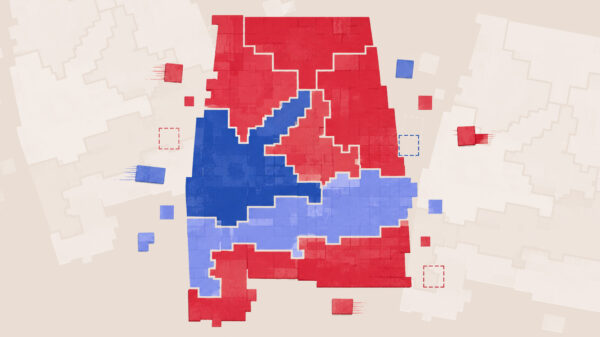






















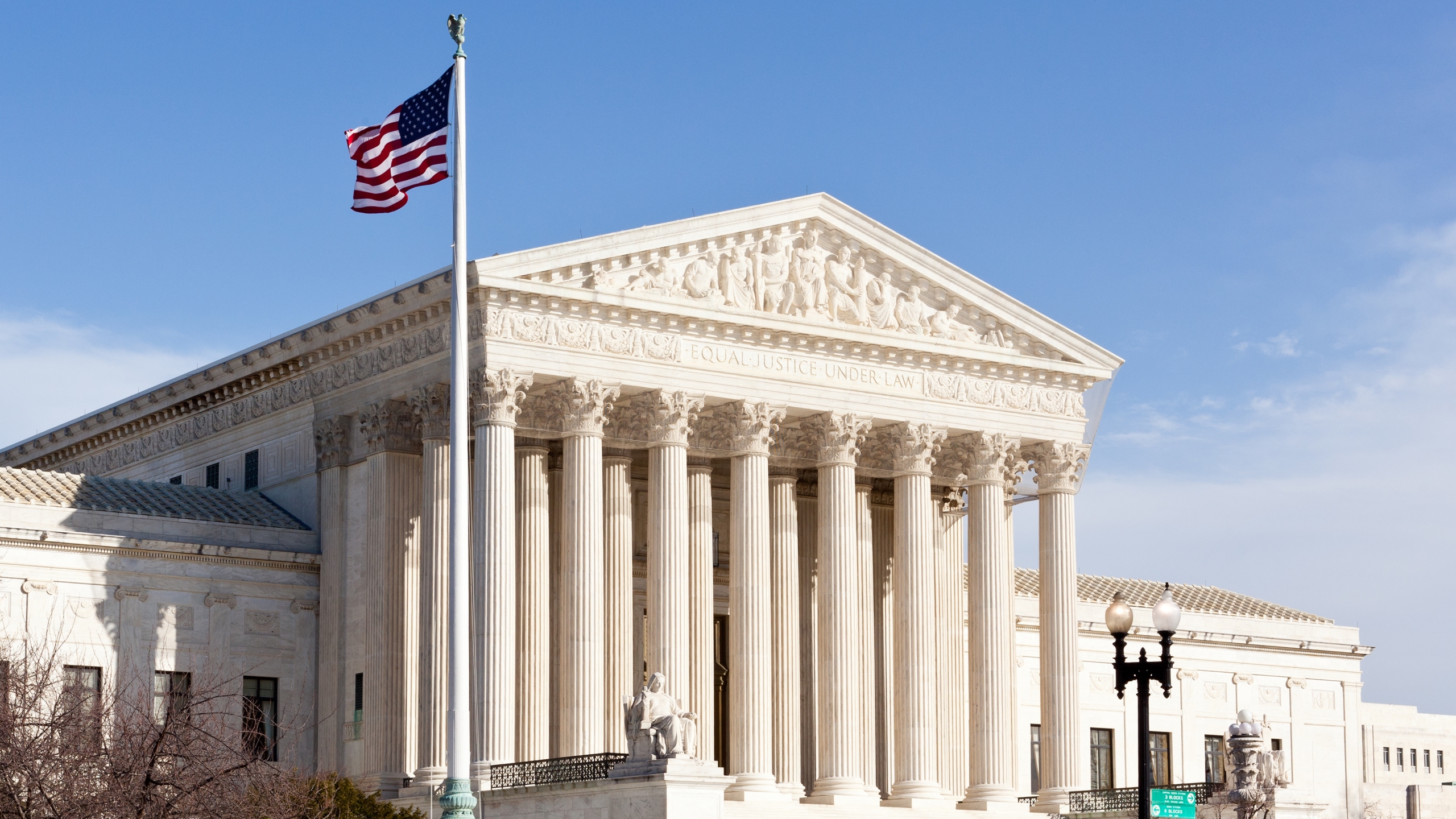
The U.S. Supreme Court on Monday in a 5-4 vote allowed the congressional maps drafted by Alabama Republicans to remain in place while it reviews a legal challenge, overturning a lower court’s ruling that the maps likely violate the Voting Rights Act.
The three liberal justices were joined in a dissent by Chief Justice John Roberts, according to news accounts.
“Today’s decision is one more in a disconcertingly long line of cases in which this Court uses its shadow docket to signal or make changes in the law, without anything approaching full briefing and argument,” wrote Justice Elena Kagan in the dissent. “That is a serious matter, which cannot properly occur without thorough consideration. Yet today the Court skips that step, staying the District Court’s order based on the untested and unexplained view that the law needs to change.”
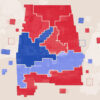
Those 2021 maps drawn by Republicans in Alabama maintain just one majority-minority congressional district, which plaintiffs in the case argue is discriminatory to Black voters. Black people make up 27 percent of the Alabama population, yet Alabama’s new maps maintain a 14-percent minority representation, according to the most recent census figures
Justice Brett Kavanaugh in a separate opinion wrote that the decision will allow the justices time to fully weigh the matter.
“The stay will allow this Court to decide the merits in an orderly fashion—after full briefing, oral argument, and our usual extensive internal deliberations—and ensure that we do not have to decide the merits on the emergency docket,” Kavanaugh wrote.