

























Bills have been filed in both chambers of the Alabama Legislature that would clarify that embryos created through in vitro fertilization are not to be considered human life, but a “potential life.”
Sen. Tim Melson, R-Florence, chair of the Alabama Senate’s Healthcare Committee, told Alabama Reflector’s Jemma Stephenson on Thursday that he plans to file a bill addressing the situation.
The draft version of Melson’s bill states that “any human egg that is fertilized in vitro shall be considered a potential life but shall not for any purposes be considered a human life … unless and until the fertilized egg is implanted into a woman’s uterus and a viable pregnancy can be medically detected.”
“We all know that conception is a big argument that it’s life,” Melson told Alabama Reflector. “I won’t argue that point, but it’s not going to form into a life until it’s put into the uterus.”
The Alabama House Democrats have filed their own bill, with the bill stating that “any fertilized human egg or embryo existing outside of a human uterus is not considered an unborn child or human being for any purpose under state law.”
The bill differs in that it does not specifically preclude only fertilized eggs and embryos that were fertilized in vitro.
The bills are both a response to the ruling of the Alabama Supreme Court last week that cited the Bible in establishing that embryos accidentally destroyed in an IVF clinic fall under Alabama’s wrongful death law because the state constitution enshrines that life begins at conception, or the moment a human egg is fertilized.
The ruling has gained national attention as it has created a litany of concerns around in vitro fertilization that have prompted clinics including UAB to pause all IVF operations until the matter is resolved.
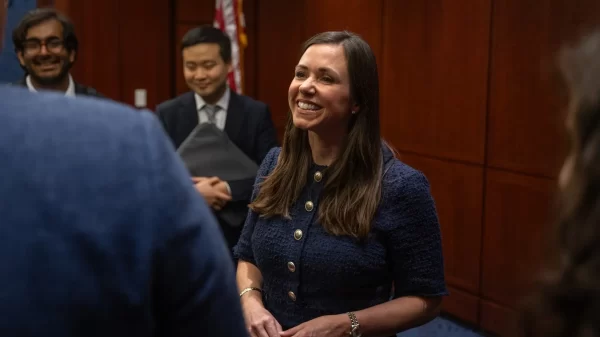
Sen. Katie Britt shared her support for protecting IVF accessibility in the state in a statement Thursday.
“My goal is for Alabama to be the best place in the world to live, work, worship, and raise a family,” Britt said. “Ultimately, IVF helps create life and grow families, and it deserves the protection of the law. I’ll continue to advance a culture of life while ensuring moms and children have the opportunities and resources they need to thrive and live their American Dream.”
Sen. Tommy Tuberville also attempted to comment on the ruling Thursday, but appeared to not understand the decision as he told NBC News “… people need to have access. People need to have — we need more kids, we need the people to have the opportunity to have kids.”
The ruling and subsequent legislation stands to put Alabama’s anti-abortion lawmakers in a bind; they have previously declared life begins at conception, but exempting embryos fertilized in vitro would seem to contradict the philosophical underpinnings of that definition.