
















Health care costs are one of the biggest pressures facing families and employers right now. From groceries to rent to prescription drugs, everything seems to cost more, and small businesses like mine are often caught in the middle, trying to balance rising expenses while still offering competitive benefits to their employees. That’s why decisions coming out of Washington matter so much.
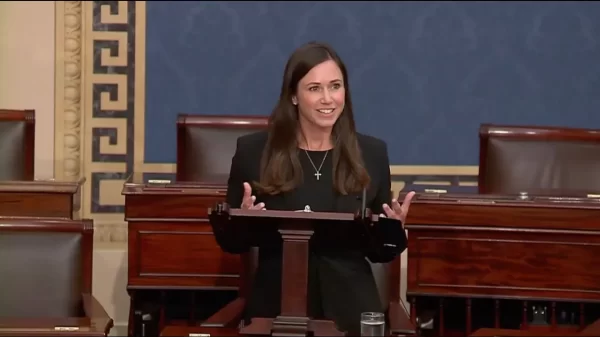
Our own Senator Katie Britt gets it. She recently acknowledged that reality, warning that Congress must be careful how it handles health care and ensure policies do not increase premiums. She’s right to emphasize affordability and the need to root out waste, fraud and abuse. Unfortunately, some of the proposals now being pushed under the banner of “reform” would do the opposite by raising costs through weakening the very tools employers use to keep drug prices in check.
The numbers back this up. Recent polling underscores what many families and employers already feel: Big Pharma has far too much influence over health care. Nearly three-quarters of voters say drug companies are responsible for high prescription drug prices. That helps explain why there’s broad skepticism toward proposals backed by Big Pharma that would limit employer choice and eliminate cost-saving options in the private market.
For small businesses like mine, this data is not surprising. It reflects what employers have experienced for years: Pharmacy Benefit Managers, PBMs, are instrumental partners we have to keep prescription drug costs manageable.
When you run a company, employee health benefits are one of your largest expenses. Without PBMs providing us with the flexibility we need to design our benefits and negotiating drug costs on our behalf with drug companies, our costs would be unsustainable. PBMs leverage collective purchasing power to negotiate discounts, manage formularies and ensure we’re not overpaying for medications. Drug companies set the price of prescriptions, and without PBMs, drug companies would increase prescription drug prices more than they already do.
This is exactly why Big Pharma wants to undermine the support PBMs offer businesses. They want to ban cost-saving payment options, restrict employer flexibility in the private market. Polling suggests that American voters see right through this approach. These proposals don’t help patients, they protect Big Pharma profits and undermine the private market.
There’s a growing understanding that policies limiting employer choice and competition don’t magically lower costs, they raise them. This is true in all industries which is why many Americans worry that government mandates targeting pharmacy benefits would lead to higher premiums, fewer options and more control for drug companies.
Lowering drug prices is essential to more affordable health care. But the path forward requires protecting employer choice in the private marketplace, not expanding government mandates that eliminate cost-saving tools.
This is why Congress, especially the Alabama delegation, needs to reject Big Pharma’s playbook, the crux of which would allow the government to undermine the choices employers and other health plan sponsors have in the private market, restricting employer flexibility and rigging the system in favor of drug companies.
This isn’t just politics. It’s the difference between offering meaningful benefits to our teams and being forced to cut coverage or raise employee premiums. We cannot stand by and allow Big Pharma to manipulate the system.