

















The Alabama Senate on Tuesday passed a bill that would allow local governments to remove library board members without citing a specific cause, expanding the authority of city councils and county commissions over boards they appoint.
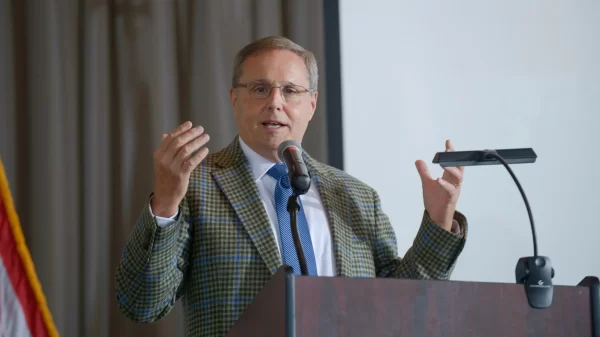
Sponsored by Sen. Chris Elliott, R-Josephine, SB26 cleared the chamber on a 26–4 vote, with one abstention, after a debate from Democrats who warned the measure could further politicize libraries and discourage volunteers from serving.
Under the bill, appointing authorities could remove library board members with a two-thirds vote.
Sen. Bobby Singleton, D-Greensboro, said those in libraries should not have to fear being removed for expressing their views or making unpopular decisions.
“Let people have the ability to go into libraries and govern those libraries accordingly and allow them not to be looking over their shoulder,” said Singleton. He argued that board members should be permitted to complete their terms, adding that “people who are volunteering deserve better.”
Sen. Rodger Smitherman, D-Birmingham, questioned whether the bill would make librarians and board members uneasy, particularly amid recent controversies over books and library materials.
Elliott said he does not believe librarians should be concerned, telling Smitherman that elected officials who appoint board members are more familiar with the needs and values of their communities than state lawmakers.
Elliott said the bill ensures library boards remain accountable to the appointing authority that created them, “instead of legislating from the State House about how each one of these boards ought to operate.”
When speaking to the press after the vote, Elliott rejected criticism that the bill would enable the removal of library boards over disagreements about books. He said the measure simply preserves the authority of elected officials who delegate governance to library boards.
“At the end of the day, the authority of that library board is delegated by elected officials,” said Elliott. “What this bill does is it maintains that underlying authority. If there’s a problem for whatever reason, they’re able to recapture that authority and do what the people of that particular area find appropriate.”
Elliott emphasized that communities across Alabama differ and should not be governed by uniform standards set by the Legislature.
“What’s good in Hoover may not be good in Bessemer, and what’s good in Orange Beach may not be good in Fairhope,” said Elliott, adding that decisions about libraries are best handled at the local level.
Asked why the bill does not include language requiring removals to be “for cause,” Elliott said library board service is not an employment relationship and that adding such language could create legal complications.
“This is authority that is delegated by elected officials and should be reclaimed by elected officials if they feel it’s necessary,” said Elliott.
Elliott said he remains open to amendments as the bill moves to the House, but defended the two-thirds vote requirement as a safeguard against arbitrary action.
“Once they make that appointment, it’s there for the entire term, regardless of what kind of job they’re doing. This bill is about moving the issue back to local communities and letting them decide what’s appropriate for their library boards,” said Elliott.