


Elections
Former Alabama quarterback AJ McCarron suddenly ended his lieutenant governor bid Wednesday, citing a new football career opportunity.
Hi, what are you looking for?


Alabama Retail PAC announces endorsements for the 2026 election cycle

Andrew Sneed outraises Dale Strong in recent reporting

Democrats challenge GOP in six key Baldwin County races

Robertson touts fundraising lead as Mitchell counters with in-state donor strength

Analysis | Alabama law—not property ownership—governs Tuberville eligibility

Governor announces appointments including Baldwin and Cullman County circuit judgeships

Governor marks first meeting of Alabama Rural Health Transformation Advisory Group

Gov. Ivey awards $4.5M to help low-income residents become economically self-sufficient

Gov. Ivey announces support for the Sarah Marsh Heaven’s 27 Camp Safety Act

Gov. Ivey calls for increased penalties for eluding law enforcement

Lawmakers advance bill tying environmental rules to federal standards

Alabama Senate passes bill to allow death penalty for child predators

Alabama Senate passes App Store age verification requirement

Contract Review Committee OKs $800,000 for legal services in prison brutality lawsuits

Alabama House passes bill increasing penalties for terrorist threats

Alabama home sales, median prices soar in 2025 report

German chain manufacturer to invest $34M into new Auburn operation

Alabama achieves record $14.6 billion in economic development investment
Alabama home sales drop 3 percent in December amid seasonal trends
Alabama’s unemployment rate drops to 2.7 percent in November

Rep. Aderholt announces service academy nominations from Alabama’s 4th District

Rep. Sewell’s statement on Trump’s threat to take over US elections

Alabama lawmakers celebrate funding package’s passage, as DHS fight looms
Aderholt launches 2026 Fourth Congressional Art Competition for Alabama students

Sewell votes for funding package, including millions for Alabama projects

ALSDE seeking expanded funding to sustain literacy gains
Alabama House debates, passes bill to let UA restructure social work school

Gov. Ivey introduces a CHOOSE Act family: Charlie Perkins and Susan Stacy
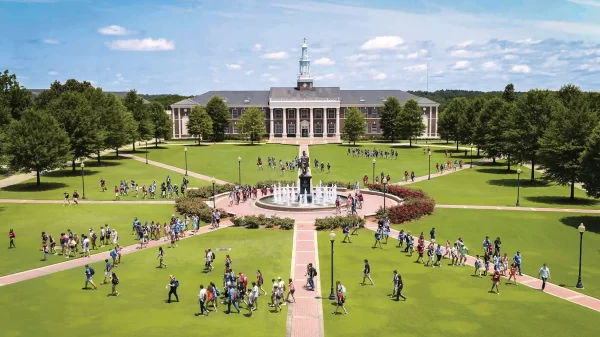
Troy University’s annual Geo Day set for March 12

House Education Policy Committee passes bill to limit screen time in early childhood education

Alabama Rural Hospital Investment Program reaches $20M cap in just one month
Governor marks first meeting of Alabama Rural Health Transformation Advisory Group

Alabama Healthcare Hall of Fame to induct 12 healthcare figures

Breast, prostate cancer screening bills advance to Alabama House for vote

Advocates talk ACA tax credit extension, as Senate again prepares for vote

Opinion | The jobs bill no one is talking about

Opinion | Addressing Alabama’s physical and mental healthcare crisis

Opinion | Why Alabama must pass stricter camp safety laws

Opinion | When seconds matter, Alabamians deserve a physician in the emergency room

Opinion | A careful rail review is in Alabama’s best interest

The legislation allows capital punishment for sexual crimes against children under 12, directly challenging a 2008 U.S. Supreme Court decision on non-murder offenses.
There's a bill to make a small change to the way taxes are collected. It would bring in more revenue and potentially create jobs.
The Alabama House Agriculture and Forestry Committee advanced a bill limiting state environmental rules to federal standards.
Lawmakers spoke before the Senate in favor of shielding minors from inappropriate content, requiring parental permission for account creation.


Lawmakers approved four contracts totalling $800,000 to hire legal representation for Department of Corrections employees in lawsuits alleging brutality.

The $20 million tax credit cap for the Alabama Rural Hospital Investment Program was fully met just one month after the program opened.

The Alabama House significantly increased penalties for making terrorist threats, requiring principals to immediately suspend students charged with such crimes.

Congressman Robert Aderholt submitted nominations for six exceptional students across Alabama's 4th District to attend United States Service Academies.


The Alabama Senate passed legislation making child predators eligible for the death penalty and required age filters for inappropriate app store content.

Andrew Sneed outraised the incumbent, Representative Dale Strong, with 100 percent of his funds originating from individual donors not PACs.
The Surface Transportation Board rejected the initial merger application between Union Pacific and Norfolk Southern, insisting on a thorough, fact-based review.


The future of Alabama depends on strong infrastructure, strong families and strong jobs.


Less than two weeks after two inmates died, ADOC Commissioner John Hamm failed to address deadly conditions during the Legislature's prison oversight meeting.
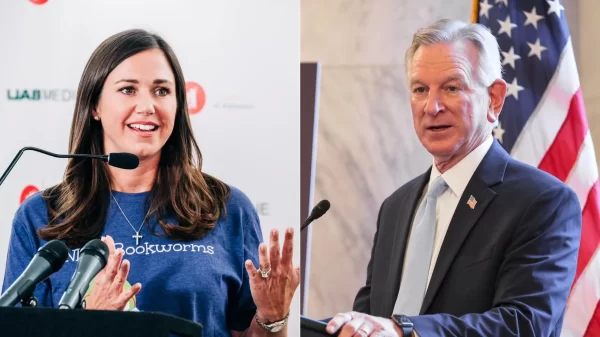
You can continue to align yourselves with executive power and party discipline. Or you can honor your oath.
Former Alabama quarterback AJ McCarron suddenly ended his lieutenant governor bid Wednesday, citing a new football career opportunity.


Trump’s words after a critic’s death violated centuries-old moral restraints and revealed a deeper erosion of character and leadership.

Audit found Alabama Agriculture Department failed to properly verify lawful presence and had no uniform bad check fees, repeating previously cited compliance problems.


Alabama's CON process has ensured decent, quality care throughout the state, and protected consumers and taxpayers, but it's under attack.


The ESTUARIES Act marked the freshman lawmaker's first legislation to pass the House, securing vital estuary protection funding through 2031.
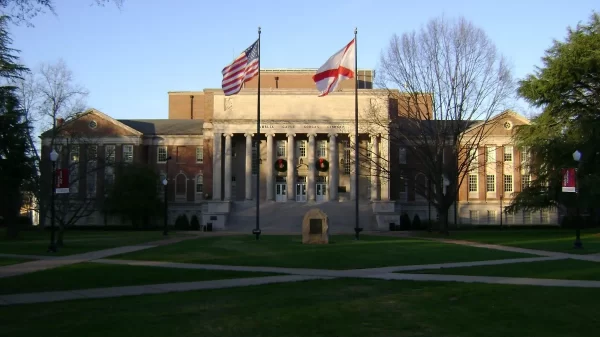
Civil rights groups allege the anti-DEI law unconstitutionally abridged First and Fourteenth Amendment rights, causing distress among students and faculty.
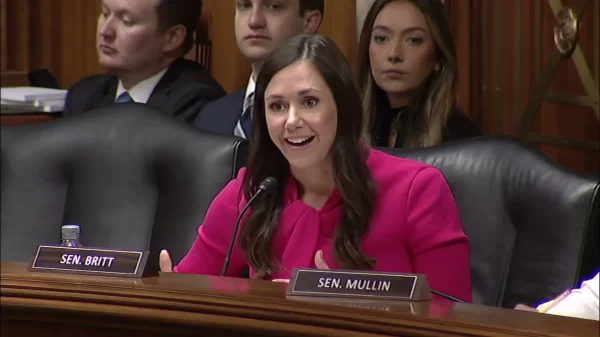
The bipartisan group highlighted reports that artificial intelligence chatbots encouraged dangerous behavior among children, including suicidal ideation and self-harm.

Alabama leaders reorganized the Department of Labor into the Department of Workforce, creating a central hub for industry, education and government collaboration.


Once considered the "kiss of death," political endorsements in Alabama shifted from local truisms to powerful tools driven by national allegiance and key organizations.


Crimiel, a prosecutor focused on special victims cases and a lifelong Montgomery resident, announced her candidacy for House District 74.