















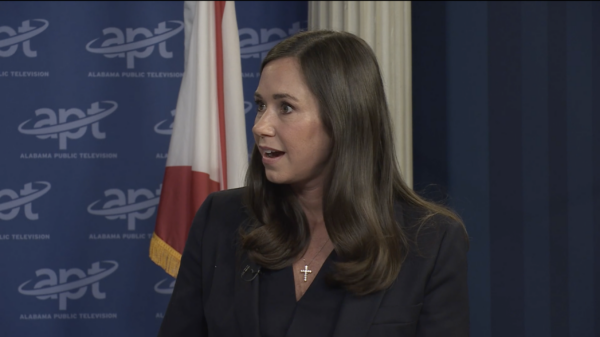


















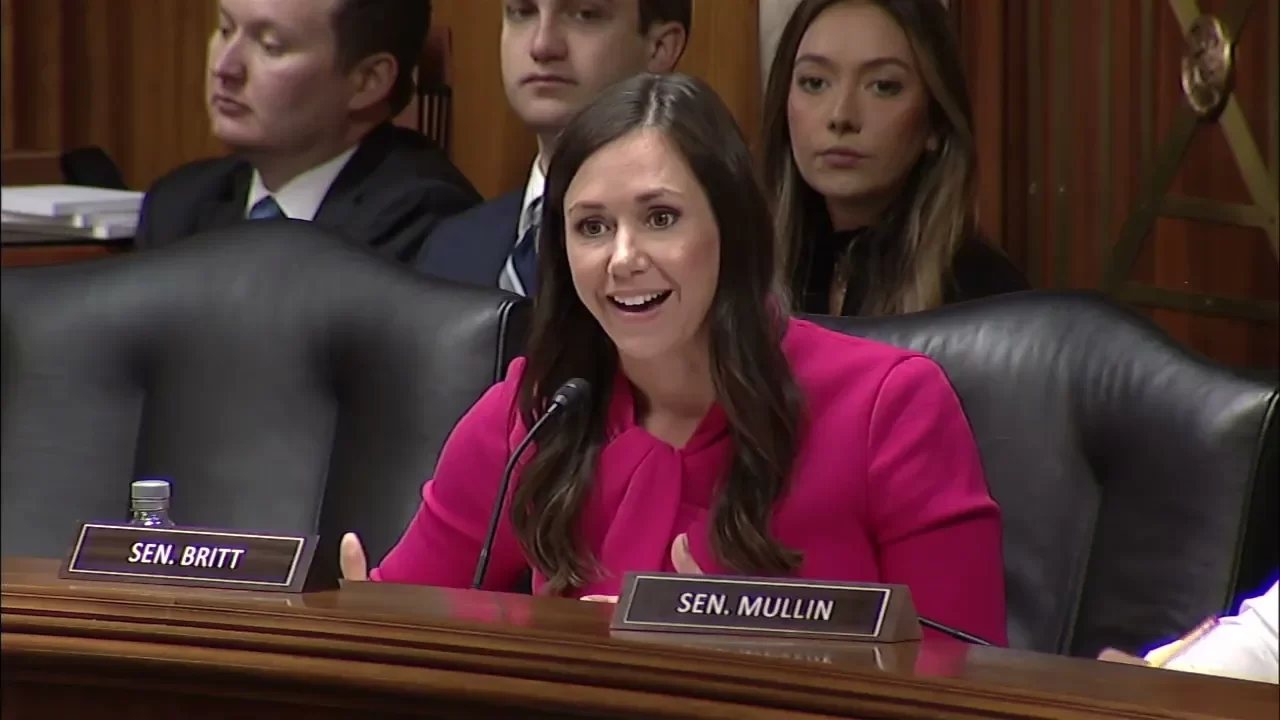
On Tuesday, U.S. Sen. Katie Britt, R-Alabama, joined three of her Senate colleagues—Senators Brian Schatz, D-Hawaii; James Lankford, R-Oklahoma; and Chris Coons, D-Delaware—in signing onto a series of letters demanding improved transparency from leading artificial intelligence companies regarding the risks their chatbots pose to users.
The letters, addressed to OpenAI, Microsoft, Google, Anthropic, Meta, Luka, Character.AI and xAI, highlighted reports of AI chatbots encouraging dangerous behavior among children, including suicidal ideation and self-harm. In light of those reports, the senators requested long-term research into chatbots’ impacts on the emotional and psychological wellbeing of users, as well as commitments from the companies to make timely, consistent disclosures around model releases.
“If AI companies struggle to predict and mitigate relatively well-understood risks, it raises concerns about their ability to manage more complex risks,” the senators wrote. “While we have been encouraged by the arrival of overdue safety measures for certain chatbots, these must be accompanied by improved public self-reporting so that consumers, families, educators, and policymakers can make informed decisions around appropriate use.”
“Public disclosure reports, such as AI model and system cards, serve as the closest equivalent to nutrition labels for AI models,” the senators continued. “While they are essential public transparency tools, today’s changed landscape calls for assessing current best practices and how they can be better responsive to user risks… Companies must continue to monitor their model performance and publicly disclose new developments as they relate to security and user safety. This information enables third-party evaluators to assess a model’s risks and supports organizations, governments, and consumers in making more informed decisions.”
Britt’s involvement in the letters is not the first time the senator has taken action to regulate AI companies. In October, Britt joined U.S. Sens. Josh Hawley, R-Missouri, and Richard Blumenthal, D-Connecticut, in introducing the Guidelines for User Age-verification and Responsible Dialogue, GUARD, Act—legislation aimed at safeguarding minors from dangers associated with the use of AI chatbots.
Britt’s pursuit of AI regulation also mirrors her involvement in multiple pieces of legislation that aim to advertise the harms associated with social media use and limit social media access for minors.