













In 1980, the U.S. government increased Federal Deposit Insurance Corporation (FDIC) deposit insurance coverage from $40,000 to $100,000. What followed was the Savings and Loan Crisis of the 1980s.
With banks having this large of a taxpayer-funded backstop, reckless risk-taking became the norm, while bank monitoring by larger, more sophisticated depositors went by the wayside. By the end, the crisis marked the worst widespread bank failures since the Great Depression.
Now, following the collapse of Silicon Valley Bank in 2023, history could be repeating itself.
Last month, Senators Angela Alsobrooks, D-Maryland, and Bill Hagerty, R-Tennessee, introduced S.2999, the Main Street Depositor Protection Act. This would increase FDIC deposit insurance for non-interest-bearing business transaction accounts by 3,900 percent, from the existing $250,000 to $10 million.
Despite its name, this bill doesn’t help Main Street. With small businesses holding an average of approximately $12,000 in their accounts, and existing limits providing coverage for more than 99 percent of accounts, Main Street depositors are well-protected.
Instead, this bill is the government declaring an end to free market competition and the start of a new era, where bureaucrats and lawmakers in Washington, D.C., will pick winners and losers.
It’s a handout to large regional banks and wealthy, mid-sized or large corporations and a slap in the face to taxpayers who are on the hook for bailouts. The coverage includes all but the nation’s largest banks. Even those with hundreds of billions of dollars in assets are receiving an astronomical level of taxpayer-funded protection.
Here’s how it works. Right now, large depositors have every reason to watch their banks carefully and make smart choices about where they keep their money. And the size of these businesses means that they have the wherewithal to do this. It’s a check on the banks to make sure that they’re not taking risks that could lead to insolvency.
S.2999 eliminates that discipline and introduces moral hazard into the banking system. When FDIC deposit insurance is increased to $10 million, it’s telling banks they can take bigger risks because the government has their back. And it’s telling large depositors they don’t need to pay attention anymore.
With less oversight from large depositors with the sophistication to monitor banks, they’ll no longer have to compete on their financial strength and service quality. Instead, the guarantee helps them attract large depositors, whose money they can then play fast and loose with.
In practice, it doesn’t look all that different from a game of poker, with banks looking to continually raise the stakes. The risk assessment for loans and investments won’t be a concern. At the end of the day, when the strategy succeeds, the banks reap the rewards; when it fails, it’s taxpayers receiving the bill for a bailout.
The worst part is that we’ve seen this movie before. The 150 percent increase to deposit insurance limits helped lead to the 700-plus bank closures and hundreds of billions in economic losses that were seen during the Savings and Loan Crisis.
If a 150 percent increase caused that disaster, it isn’t hard to imagine what a 3,900 percent increase will do.
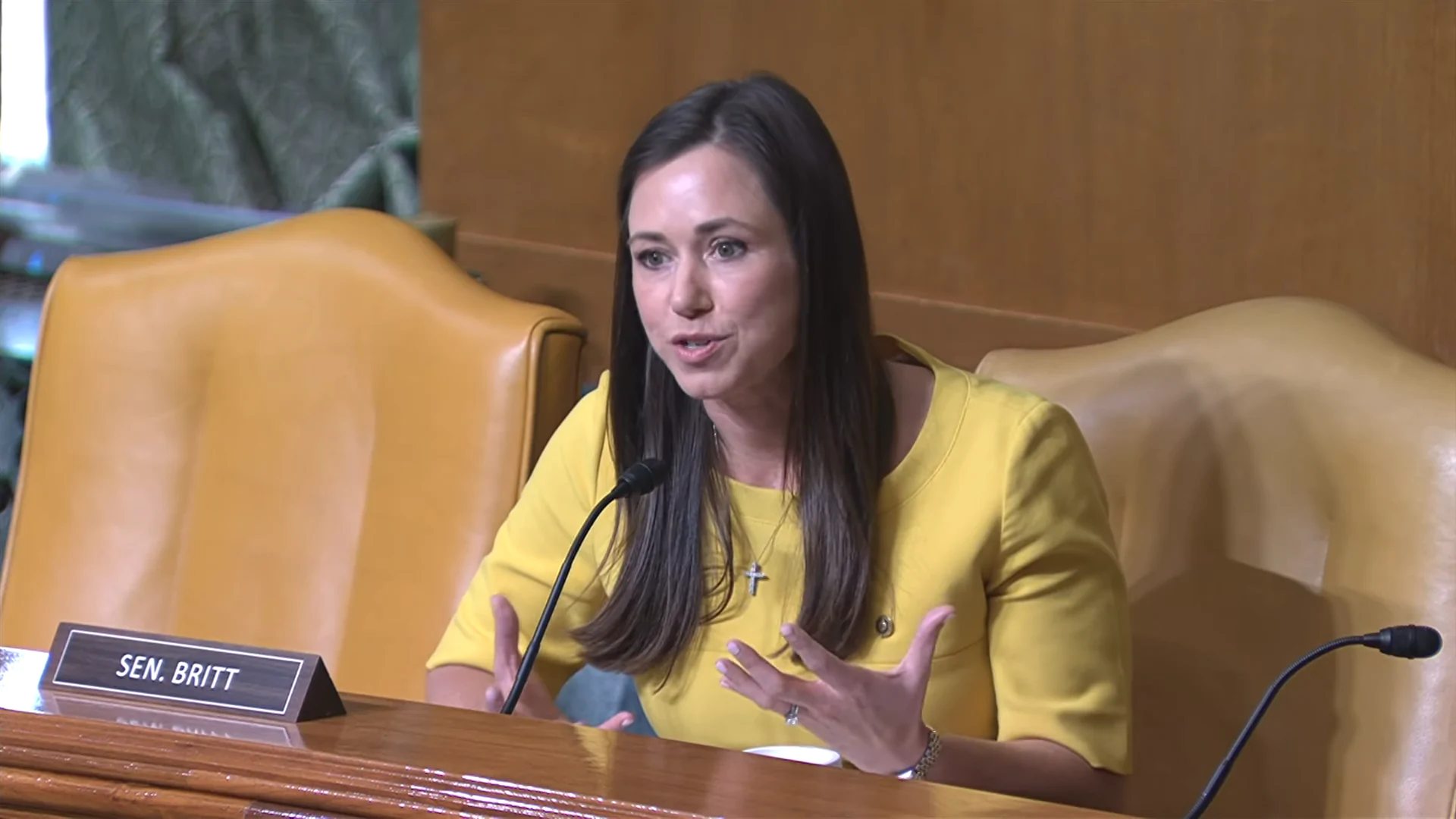
I hope that Alabama’s senators, including Senate Banking Committee member Senator Katie Britt, recognize the threat that comes from this proposed legislation—both to our banking sector and from Democrats who will use this as an opportunity to regulate more pieces of the financial sector—and stop it from moving.
The Main Street Depositor Protection Act is a misnomer. Instead of protecting Main Street, it’s a Trojan horse for more regulation, increased moral hazard in the banking sector, government guarantees, and taxpayer-funded bailouts.