













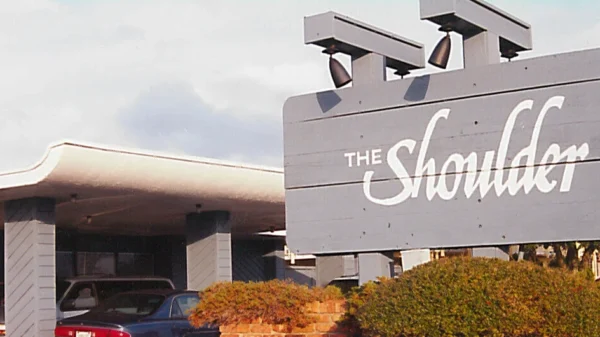


On February 9, the Southern Poverty Law Center sent a letter to Fayette city attorney Dale Lawrence accusing the city of relying upon illegal debt collection tactics. The letter specifically alleges that “the Fayette Sanitation Department is unconstitutionally using the threat of criminal prosecution as a cudgel to coerce payment of past due garbage bills.”
In September 2024, Fayette resident Lisa Mozingo served a ten day jail sentence over missing her garbage payments. The SPLC maintains that the Fayette city charter, state law, and past precedent all should bar City Judge Steven Nolen from issuing jail sentences for not paying to have your garbage picked up.
The charter specifies that the punishment for failing to follow the city’s garbage policies, including prompt payment of bills, will be “a fine of not less than fifty dollars ($50.00) nor more than two hundred dollars ($200.00).”
“If you fall behind on your garbage bill in the city of Fayette, they send you a letter threatening to arrest you and put you in jail if you don’t pay that bill,” SPLC senior supervising attorney Micah West said during an interview with APR on Tuesday. “That’s illegal. The Alabama Supreme Court said that you cannot prosecute people for the purpose of debt collection. But again, that’s exactly what’s happening in the city of Fayette.”
West also explained that media coverage of Mozingo’s case was what first drew the organization’s attention to cases in Fayette, although the SPLC has been interested in criminal prosecutions arising from unpaid utility bills for years.
The SPLC has already intervened in the past when cities in Alabama were prosecuting residents over unpaid garbage bills. The city of Chickasaw agreed to stop criminally prosecuting individuals who failed to pay in 2024 after receiving a similar letter to the one that was sent to Fayette on Monday, and so did the city of Valley in 2023.
In Fayette, however, West says the treatment of indigent residents unable to pay their bills for a time is especially harsh.
“We have seen cities, counties across the state improperly using the criminal process to try and collect unpaid garbage bills, and are concerned that they ’re doing so unlawfully and have seen that in places like Chickasaw and in Valley. But Fayette is unique. We’ve never see a judge sentencing people to things like 10 days in jail if you fall behind on your garbage bill,” West said. “And that’s because neither state law nor Fayette’s own municipal code authorized that type of a sentence.”
The SPLC’s investigation into Fayette, it asserts in the letter, documented almost a dozen other cases of people being hurt by the same policies as Mozingo. The letter identifies five specific individuals who were sentenced by Nolen to suspended jail sentences and probation over unpaid garbage bills. The second individual being represented by the SPLC, a Christopher Fowler, was sentenced to a “reverse split sentence of 30 days at hard labor in the Fayette County jail” in late 2022.
“When you take someone’s garbage can who doesn’t have the resources to pay, they struggle to figure out what to do with that garbage,” West stated. “And it makes the home uninhabitable and it makes jeopardizes everyone’s health and safety as well. So what we really need are sensible policies that meet people where they are.”
“Here’s something Fayette could do, right?” he posited. “State law authorizes the county to pass an exemption if you’re earning less than 75% of the poverty guidelines. They could pass that law and exempt people who don’t earn a lot from having to pay the bill. Or they could exempt seniors from paying, but that’s not what they’ve chosen to do.”
“Instead, they’ve chosen a punitive path: one that doesn’t serve the city’s interest, doesn’t serve its residents interests, with results and practices that are unlawful,” West said.
He also told APR that the organization remains optimistic that “ the city will do the right thing,” explicitly referring to the SPLC’s prior successes with Valley and Chickasaw.
Lawrence and other Fayette city officials have not responded to APR’s requests for comments yet. This article will be updated as they do.