











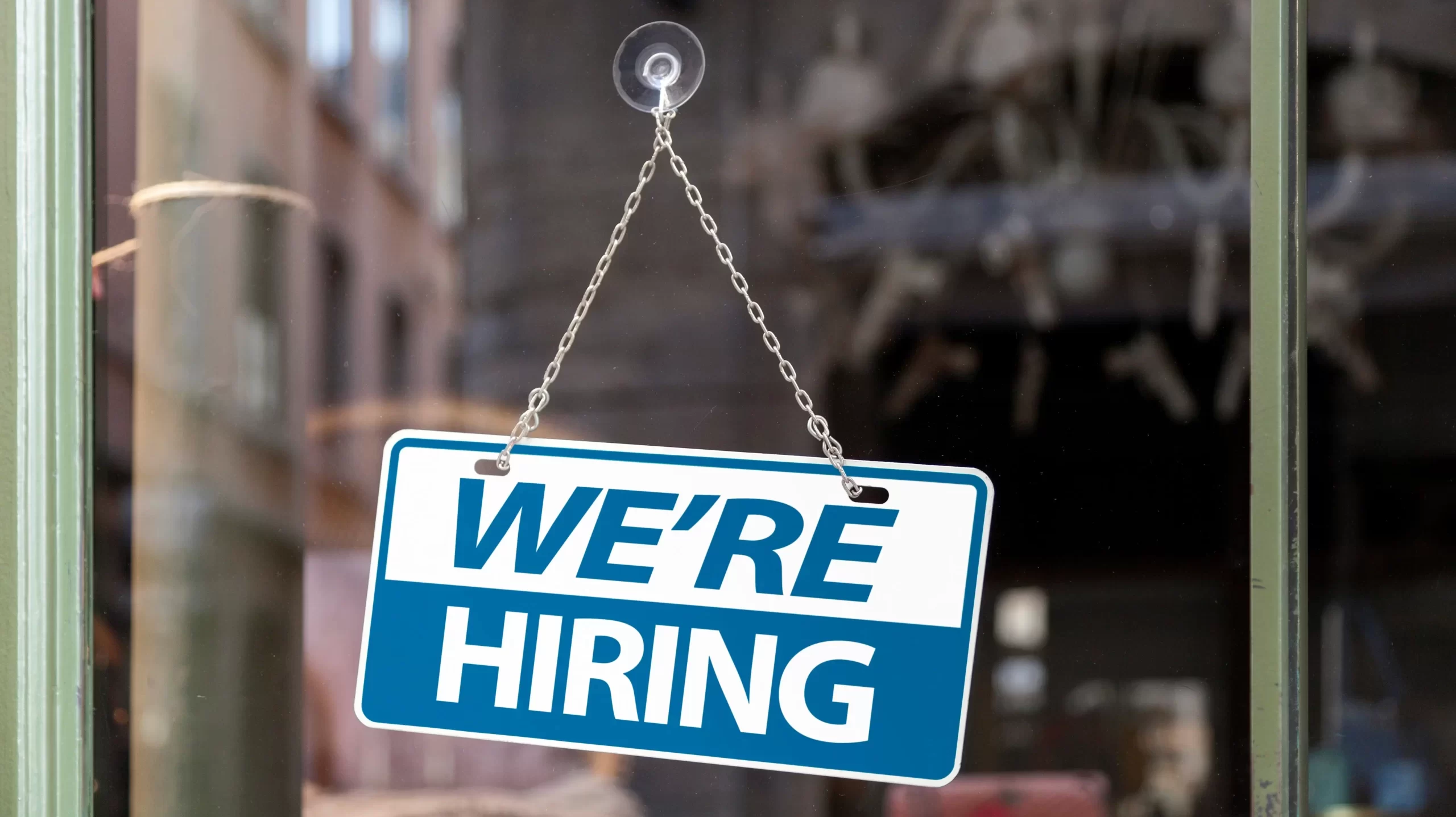
NFIB’s March Jobs Report shows the Small Business Employment Index fell 1.9 points to 101.6. Despite the decline, the reading remains above the 2025 average of 101.2 and the historical average of 100.
In March, 32 percent of small business owners, seasonally adjusted, reported job openings they could not fill, down 1 point from February. Unfilled job openings remain above the historical average of 24 percent. Twenty-seven percent reported openings for skilled workers, down 1 point, and 12 percent reported openings for unskilled labor, up 2 points.
“While small businesses are not hiring extensively, they continue to face difficulties related to labor cost and quality,” NFIB Chief Economist Bill Dunkelberg said. “Despite the current stagnant employment growth, economic conditions could change rapidly.”
NFIB State Director Rosemary Elebash said the national survey reflects the challenges facing Alabama employers. “Small businesses need workers, but it’s still hard for many of them to find people with the experience and skills they’re looking for.”
A net 12 percent of owners, seasonally adjusted, plan to create new jobs in the next three months, unchanged from February and close to the average net 11 percent. Overall, 52 percent of owners reported hiring or trying to hire in March, down 2 points from February. Forty-five percent of owners, or 87 percent of those hiring or trying to hire, reported few or no qualified applicants for the positions they were trying to fill, down 1 point. Twenty-two percent reported few qualified applicants, down 3 points, and 23 percent reported none, up 2 points.
In March, 15 percent of small business owners cited labor quality as their single most important problem, unchanged from February and above the historical average of 12 percent. Labor quality last fell below 15 percent as the single most important problem in December 2016.
While labor quality has declined over the past few months, reports of labor costs as the single most important problem have gradually increased. Ten percent of business owners reported labor costs as their single most important problem, up 1 point from February.
A net 33 percent of small business owners, seasonally adjusted, reported raising compensation in March, down 1 point from February. A net 18 percent, seasonally adjusted, plan to raise compensation in the next three months, down 4 points from February and the lowest reading since July 2025.
Despite those declines, planned and actual labor compensation levels remain above their historical averages.