















Alabama leaders, early this week, memorialized prominent Birmingham attorney and civil rights leader J. Mason Davis Jr., reflecting on the late advocate’s achievements and legacy.
Davis, who passed away this weekend at 90 years old, was a Birmingham native and a pioneering legal figure renowned for his involvement in the Civil Rights Movement.
Born in 1935, Davis attended Birmingham’s Tuggle School and A.H. Parker High School and earned his undergraduate degree from Talladega College. His family’s Birmingham business, Davenport and Harris Funeral Home, is the oldest African American business in the state, which opened in 1899.
After he was denied enrollment at the segregated University of Alabama School of Law, the state of Alabama offered to partially pay Davis’ tuition to a law school out of state, prompting him to attend and receive his law degree from the University of Buffalo School of Law. Davis later became the first minority adjunct professor at UA’s law school, where he taught from 1972 to 1997.
Davis returned to Birmingham in 1959, following law school, to establish his own practice, becoming the ninth Black lawyer to practice in the city.
As an attorney, Davis successfully defended 125 Black students arrested during the Huntsville lunch counter sit-ins of 1961 and 1962 through multiple appeals.
Additionally, the attorney represented and won equal pay for two African American employees at the Marshall Space Flight Center. After Davis argued the case before an arbitrator, the two employees were promoted and awarded full back pay stretching back to their hiring.
Davis’ passing was first recognized publicly on Saturday by Birmingham businessman and fellow Talladega College alumnus, Patrick Packer.
“My dear friend—J. Mason Davis, Jr. one of Birmingham’s prominent attorneys, businessmen, and historians—has transitioned from this earthly realm this morning,” Packer wrote.
“I will miss our long conversations in person and on the phone about the many stories from his time at Talladega College and his extensive knowledge of the history of our beloved Birmingham,” he wrote. “His keen memory of so many Birmingham family and business stories was always amazing to take in. Rest well, my dear friend and Alpha Brother.”
Birmingham Mayor Randall Woodfin took to social media Sunday afternoon, memorializing Davis and reflecting on his legacy as an advocate and community leader.
“I’m heartbroken to learn of the passing of Birmingham’s own J. Mason Davis, a trailblazing attorney whose courage and conviction helped dismantle segregation in Alabama,” Woodfin wrote. “He stood on the front lines of justice during one of the most pivotal eras in our nation’s history. As a fellow attorney, his drive for justice inspired me. And as a Black man living in this city, my gratitude is endless.”
“J. Mason Davis showed us the path to freedom, but the work isn’t done. We honor his legacy by using the same compassion to protect the freedoms of everyone who calls this city home. Rest well,” the mayor added.
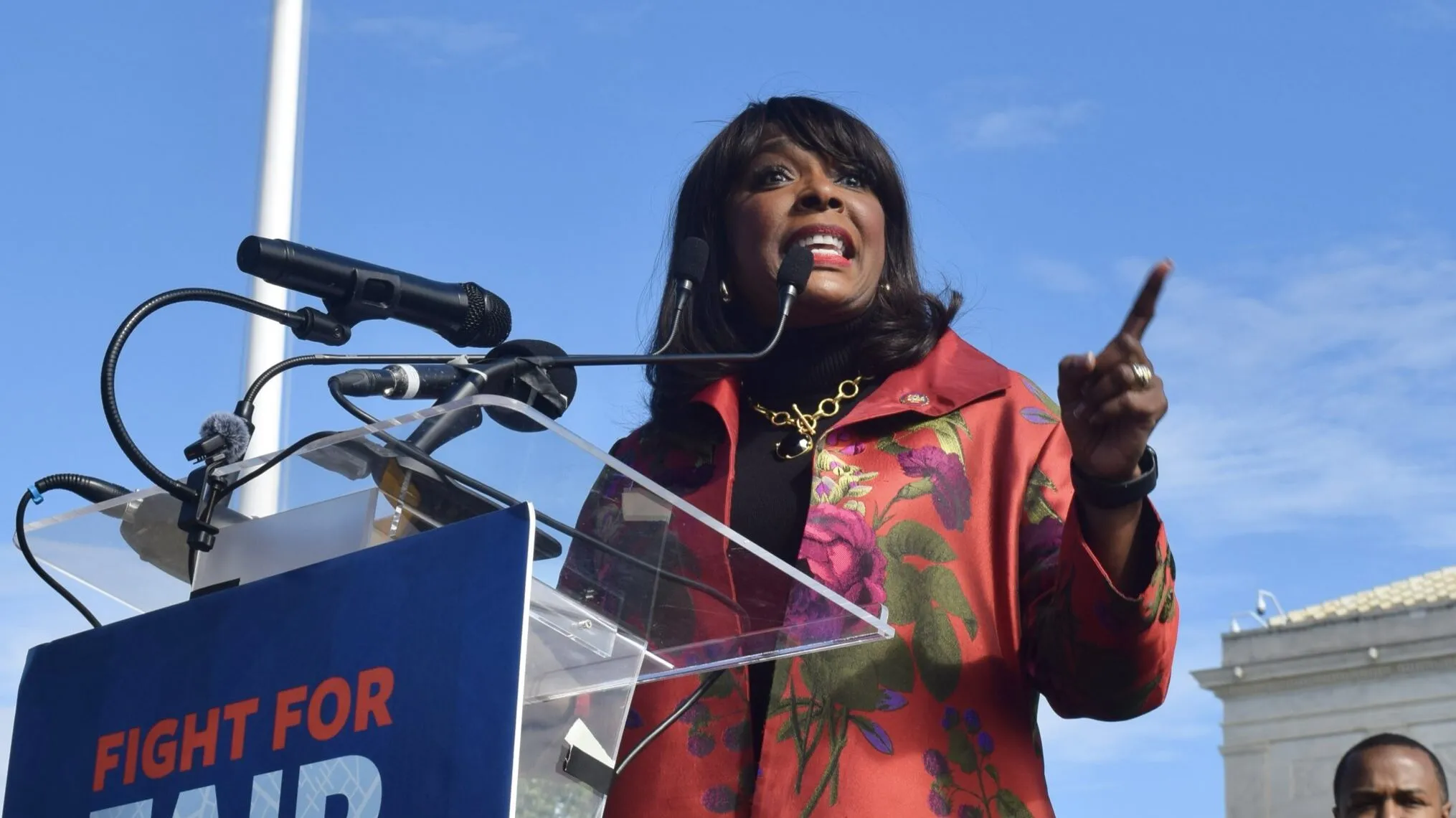
U.S. Representative Terri Sewell, R-Alabama, who represents Alabama’s civil rights district, mourned the attorney’s passing and celebrated his status as a trailblazer in Birmingham law through a Monday post on X.
“I’m saddened to learn of the passing of J. Mason Davis, a towering figure in Birmingham’s civil rights history and a relentless force in the fight for justice,” Sewell wrote.
“As one of Birmingham’s first Black attorneys and a pioneering civic leader, Davis played a crucial role in dismantling segregation and defending those who bravely challenged injustice,” she continued. “His unwavering courage and legal brilliance broke down barriers and opened doors for generations of lawyers, advocates, and community leaders who followed.”
“May we carry forward his unshakeable commitment to equality as we continue the work he championed. Rest in power, J. Mason Davis,” Sewell added.
Democratic gubernatorial candidate Doug Jones also paid respects to Davis over social media on Monday.
“With the passing of J. Mason Davis over the weekend, we lost one of the iconic figures of the Birmingham legal and civil rights community. And I lost a great friend,” Jones wrote.
Davis became the first African American president of the Birmingham Bar Association in 1984.
Alongside his legal legacy, Davis’ career and impact on Birmingham stretched well beyond the courtroom.
Upon returning to Birmingham, he quickly became involved in the burgeoning Civil Rights Movement. Until the passage of the Voting Rights Act of 1965, Davis spent Monday nights tutoring would-be voters at a local Baptist Church on how to pass literacy tests, required at the time for registration.
Davis was selected as one of the 23 Black Birmingham residents who served on the Community Affairs Committee, an initiative assembled in 1963 to address issues facing the city, such as improving race relations, as part of Operation New Birmingham.
The lawyer and community leader also served as chair of the Birmingham Regional Chamber of Commerce from 2000 to 2001 and led United Way of Central Alabama from 2002 to 2003. United Way established its J. Mason Davis Leadership Society in 2019, which brings together African Americans who desire to positively impact their communities through philanthropy, activism and volunteerism.
“As one of the first African American attorneys in Birmingham, Mr. Davis used his legal expertise as a dedicated community leader and lifelong advocate for civil rights,” United Way of Central Alabama wrote in a statement released Monday. “We are especially grateful for his service as our first African American Chairman of the Board. His leadership helped strengthen our mission and expand opportunities for individuals and families across our region.”
The attorney received the Lifetime Achievement Award in Human and Civil Rights from the NAACP in 2013 and was inducted into the Birmingham Business Hall of Fame in 2016.
Talladega College, in a statement released following Davis’ death, described the attorney as “one of its most impactful alumni.”
“From the outset, he dedicated his career to advancing racial equality, often taking on cases that placed him at personal and professional risk,” the university wrote.
The Magic City Bar Association and Davis’ former firm, Dentons Sirote, also paid tribute to the late attorney on Monday.
“To know Mason was to experience genuine friendship, humility, and care. He was a trusted counselor, a steady presence in times of uncertainty, and a generous soul whose time, wisdom, and compassion knew no bounds,” read a statement from Dentons Sirote.
“His legacy extends far beyond the practice of law, touching countless lives. We are all better for having known him, and his influence on our Firm, our community, and the legal profession will never be forgotten. Our thoughts and prayers are with his family during this difficult time,” the firm continued.
“[Davis’] life and work helped change Alabama for the better, and his legacy will continue to inspire generations to come,” the bar association wrote. “We extend our heartfelt condolences to his family, friends, colleagues, and all who were touched by his remarkable life.”
Additional tributes to Davis were released by the Kiwanis Club of Birmingham and the quarterly historical magazine, Alabama Heritage.