



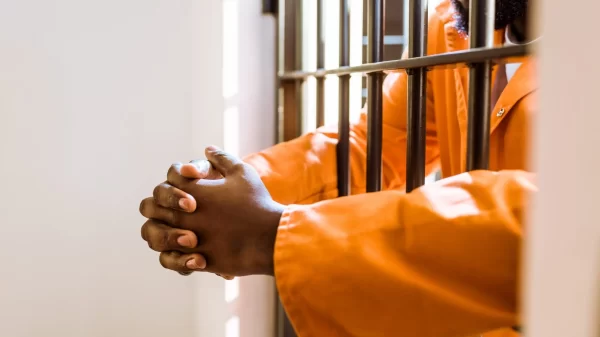










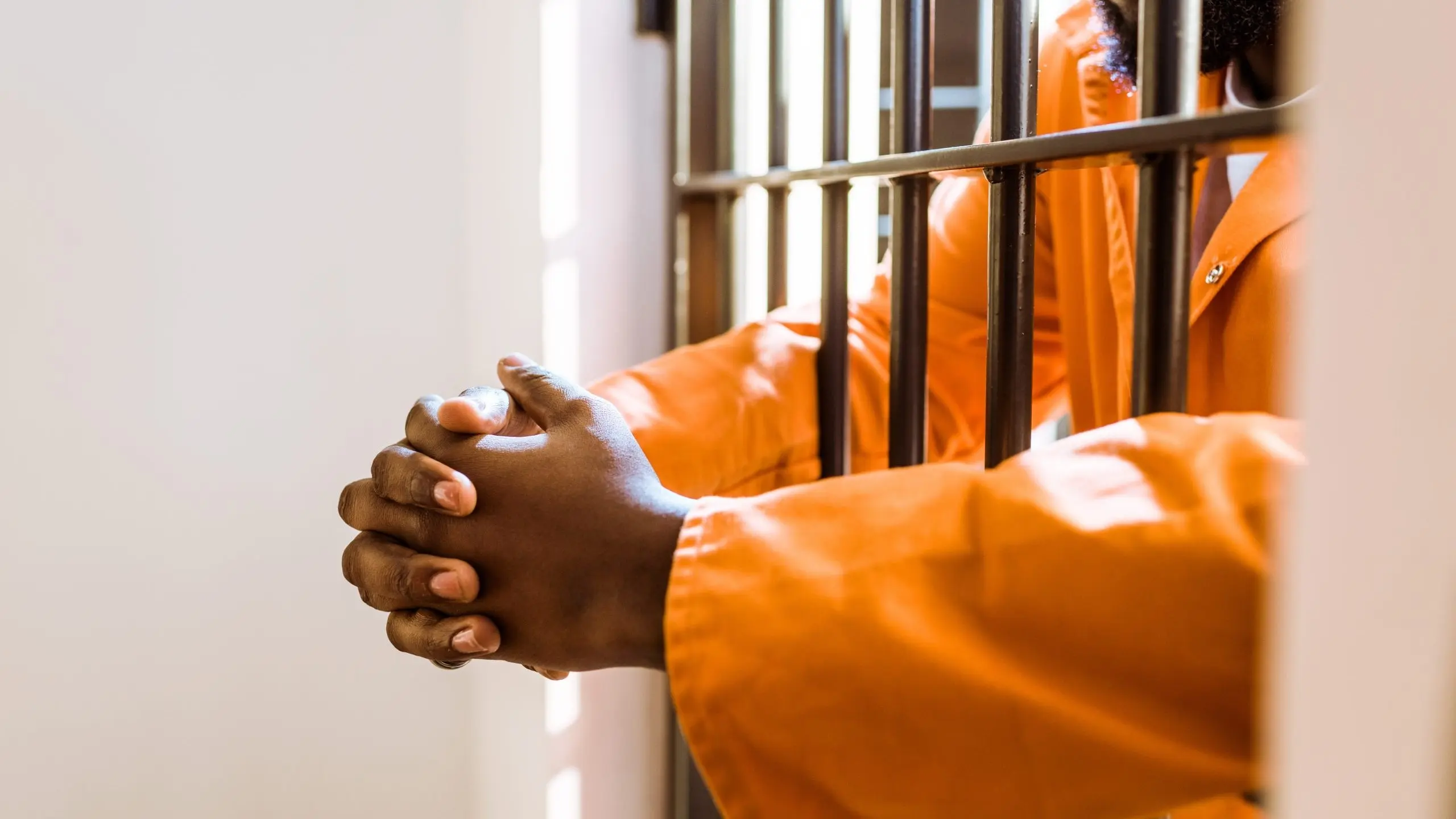
At Alabama parole hearings, one person has always been conspicuously absent: the person whose fate the board is deciding.
That will change next year if Gov. Kay Ivey signs SB240, which unanimously passed the House of Representatives on Tuesday. The bill would allow incarcerated people to attend their parole hearings remotely and give a statement to the board.
Rep. Chris England, D-Tuscaloosa, sponsored the bill, and Sen. Will Barfoot, R-Pike Road, carried it in the Senate.
SB240 is one of two parole reform bills the House passed Tuesday as the parole board has faced intense scrutiny in recent years amid plummeting approval rates. Meanwhile, state jails remain overcrowded and understaffed, creating conditions that have put Alabama at risk of a federal takeover.
The bill also would allow other people participating in a parole hearing, including prosecutors, law enforcement and victims and their families, to participate remotely if they choose.
Victims and their representatives would decide whether to see or hear the inmate’s statement. The parole applicant would not be permitted to see or hear victims’ representatives during the hearing unless the victim or the victim’s family chooses otherwise.
Most parole hearings do not have anyone present to advocate for the applicant, though some include a lawyer. But the applicant is often reduced to a name; the new option to appear remotely would put a face and voice to that name.
The bill is set to take effect in March 2027.