



Legislature
During a contentious public hearing, state lawmakers dismissed testimony from citizens, asserting their concerns about the new immigration bill were financially motivated fear.
Hi, what are you looking for?


Analysis | Alabama law—not property ownership—governs Tuberville eligibility

Republican gubernatorial candidate promises legal action against Tuberville

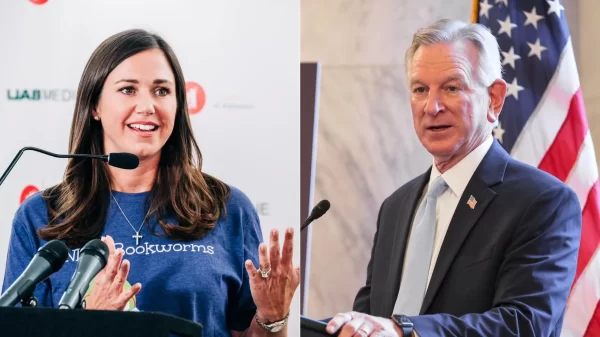
Candidate urges Alabama senators to pledge not to trade stocks while in office

Electric Cooperatives of Alabama endorse Wes Allen for lieutenant governor

John Wahl launches lieutenant governor bid with Trump’s endorsement

Gov. Ivey calls for increased penalties for eluding law enforcement

Alabama gets $3.8 million grant to boost early childhood education

Gov. Ivey awards grants to eight organizations that assist child abuse victims

Gov. Ivey announces more Rebuild Alabama projects

Governor expands Alabama school choice with federal tax credits

A new, unique gambling bill for the 2026 session

Senate advances bill limiting environmental rules beyond federal standards
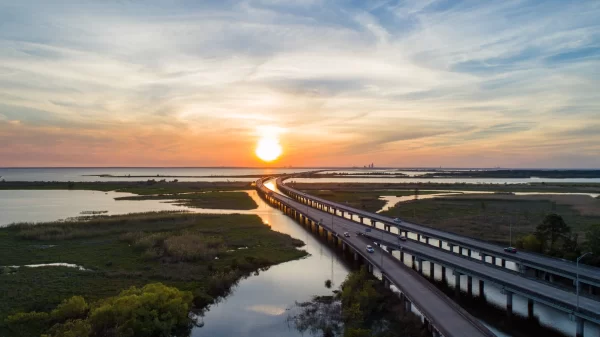
Legislature passes “Save Our Bay” bill banning mud dumping in Mobile Bay
House passes legislation banning foreign influence in Alabama elections

ALSDE seeking expanded funding to sustain literacy gains

Alabama home sales, median prices soar in 2025 report

German chain manufacturer to invest $34M into new Auburn operation

Alabama achieves record $14.6 billion in economic development investment
Alabama home sales drop 3 percent in December amid seasonal trends
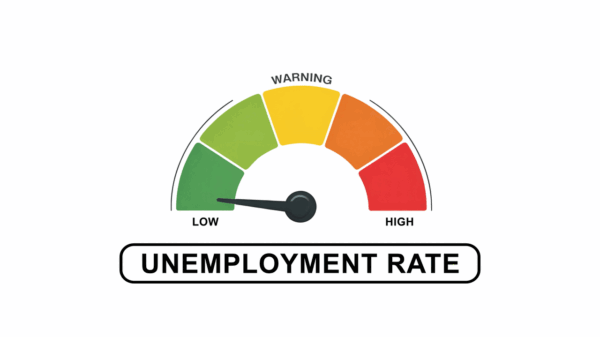
Alabama’s unemployment rate drops to 2.7 percent in November

Alabama lawmakers celebrate funding package’s passage, as DHS fight looms
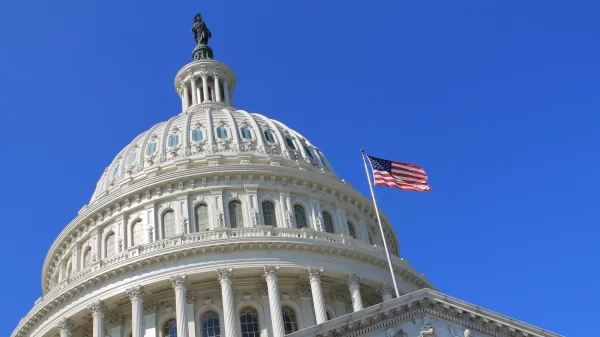
Aderholt launches 2026 Fourth Congressional Art Competition for Alabama students

Sewell votes for funding package, including millions for Alabama projects
Candidate urges Alabama senators to pledge not to trade stocks while in office

Rep. Sewell announces 2026 Congressional Art Competition
ALSDE seeking expanded funding to sustain literacy gains
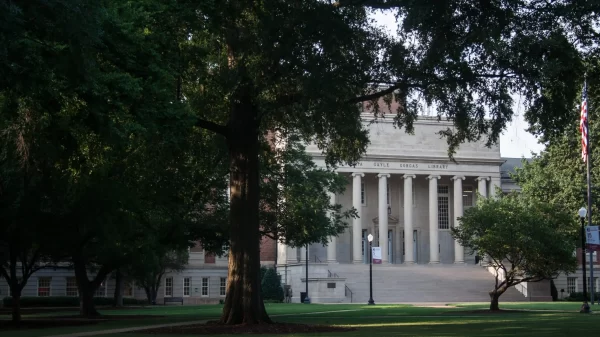
Alabama House debates, passes bill to let UA restructure social work school

Gov. Ivey introduces a CHOOSE Act family: Charlie Perkins and Susan Stacy
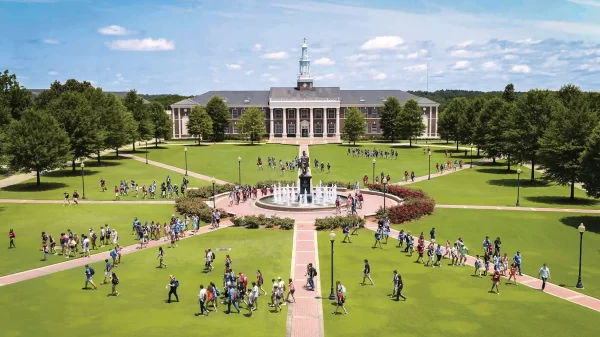
Troy University’s annual Geo Day set for March 12

House Education Policy Committee passes bill to limit screen time in early childhood education

Breast, prostate cancer screening bills advance to Alabama House for vote

Advocates talk ACA tax credit extension, as Senate again prepares for vote

Opinion | What Alabama learns when it pays attention

Rep. Sewell champions cancer early detection bill passing House

Opinion | A healthy workforce keeps rural Alabama working

McFeeters is now promising to file a legal challenge to Tuberville’s entry on the ballot.
Property ownership does not determine residency under the Constitution, and long-settled Alabama case law makes that distinction clear.
A gambling bill from Sen. Merika Coleman would allow people to vote on authorizing the Legislature and governor to pass gambling legislation.
The appropriations bills include more than $200 million in state earmarks, and gives Congress more time to negotiate DHS funding.


The library will soon be able to participate in the county courier service again after changes made Tuesday.
The Alabama House of Representatives approved legislation closing federal loopholes that allowed foreign dark money to influence ballot measures and state elections.
The congressman detailed scholarship offers and the unique opportunity for the overall winner’s artwork to be displayed inside the US Capitol.

Sewell secured $5.5 million for nine local Alabama projects, including airport improvements in Selma and construction funding for a Bessemer community center.
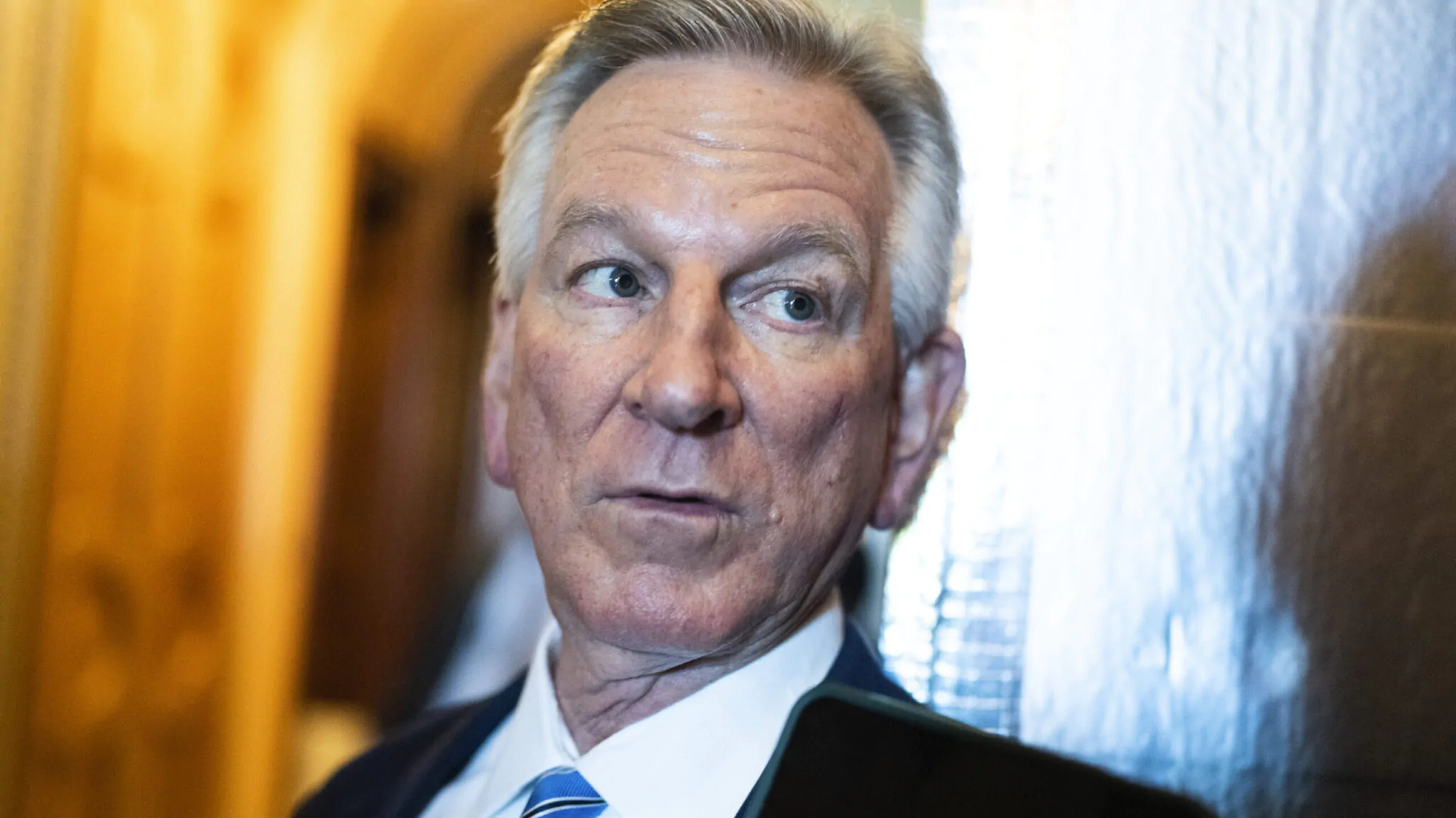
There seem to be many within the Republican Party who are fed up with the good ol’ boy system. People don’t like cheaters.

Eric Mackey cited rising literacy rates while requesting increased funding to support struggling readers past third grade

Charles I's 1626 coronation, delayed by debt and plague, alienated his subjects and inadvertently shaped the political and religious future of American colonies.


From Springsteen to Lamar, protest songs expose when legality shields injustice and force moral reckonings politics tries to delay.


Community leader Antoinette King strongly opposed HB 72, arguing the legislation risked criminalizing parents and unfairly targeted families needing support, not state intervention.


America was built by brave men and women who didn't cower and give up their rights out of fear. Only cowards would do that.
During a contentious public hearing, state lawmakers dismissed testimony from citizens, asserting their concerns about the new immigration bill were financially motivated fear.


The new legislation advanced by the committee expanded the state's false-name statute and created a misdemeanor for knowingly withholding identifying information.


The Senate Education Policy Committee advanced a bill that would create a new temporary teacher certificate for military veterans

The bill mandates that entities dredging millions of cubic yards must beneficially use 70 percent of the material, promoting marsh creation.


The Department of Human Resources commissioner told senators they were “going to be astounded at the cost” of SB61.


The Alabama Senate Judiciary Committee approved measures streamlining voting rights restoration for felons and increasing penalties for reckless endangerment and illegal handicap parking.

The Healthy Early Development and Screen Time Act passed unanimously, limiting screen time for children 5 and younger in publicly funded learning centers.

Chief Justice Stewart appointed a retired judge to preside over the capital murder case, utilizing the new Speedy Trial Act for the first time.

The Department of Workforce is proving daily that it is an example of what successful collaboration looks like.

The competitive federal funding will strengthen and align the state's early childhood education system, focusing on rural regions and underserved communities.