



















Everyone agrees on one thing: our children deserve to be safe. As someone who works closely with families and communities, I strongly believe in protecting youth from real harm. But we have to be careful that, in trying to do good, we don’t pass laws that end up hurting the very families we should be supporting.
That’s why I oppose HB72 as it is currently written.
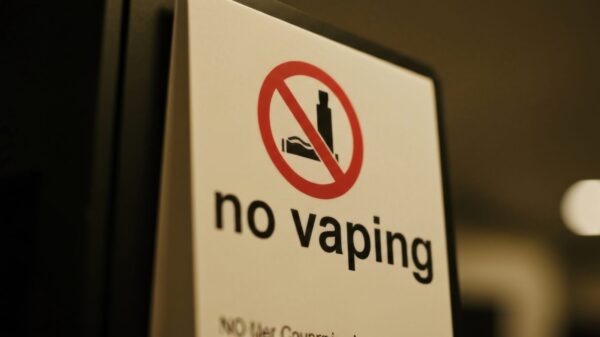
While the bill may be presented as a child protection measure, it opens the door to criminalizing parents and pushing more families into Department of Human Resources, DHR, investigations based on something as subjective as an odor. A smell alone, without clear evidence of neglect, abuse or imminent danger should not be enough to trigger criminal charges or child removal.
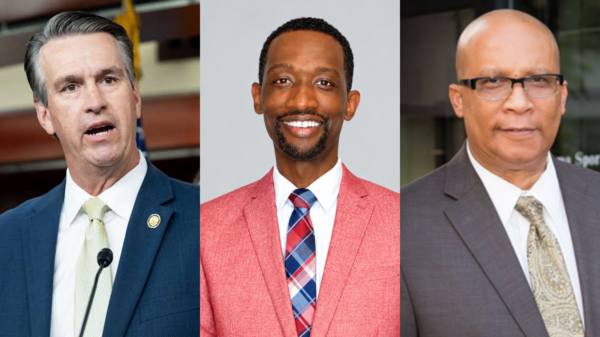
What makes this even more troubling is the bill’s sponsor, Rep. Patrick Sellers. As both a legislator and a pastor serving many of the same communities that would be most impacted, he should understand the real challenges families face. Instead, this legislation shows a fundamental misunderstanding of those struggles and a willingness to expand state intervention into lives that need support, not criminalization.
Families in underserved communities already experience higher levels of scrutiny from systems meant to “help.” Lowering the threshold for state involvement will not be applied evenly, it will hit hardest those with the fewest resources and the least power to fight back.
Our lawmakers should focus on policies that prevent harm before it happens: funding early intervention, expanding access to mental health and substance use services, and strengthening community-based supports. Those approaches protect children while also preserving families whenever it is safe to do so.
We must protect our youth. But criminalizing parents and triggering DHR involvement based on a smell alone, especially under leadership that should know better, is not thoughtful policy. It’s reckless, and our families deserve better.
Antoinette “Toni” King is a Birmingham-based public servant and community leader with experience in public safety systems and local government. She advocates for balanced policies that protect youth, preserve families and address the root causes facing underserved communities.