






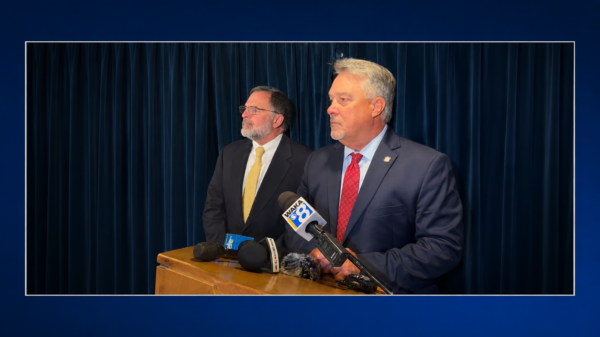





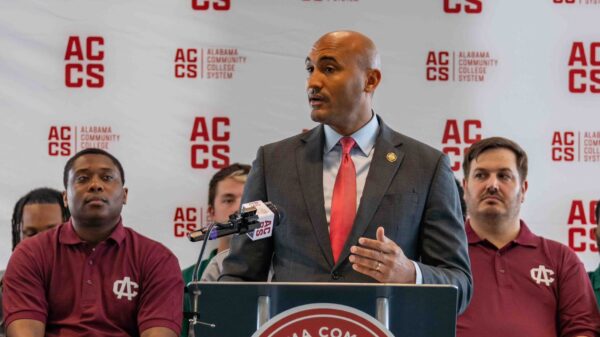








Alabama Department of Workforce Secretary Greg Reed announced Friday that wage and salary employment increased by 20,400 over the year to 2,209,500, with gains in the leisure and hospitality sector, up 10,600 jobs; the private education and health services sector, up 6,400; and the government sector, up 5,400, among others.
Two sectors also recorded record-high weekly wages in July. Average weekly wages reached $1,432.21 in construction and $1,389.75 in manufacturing, tying the manufacturing record set in April 2026.
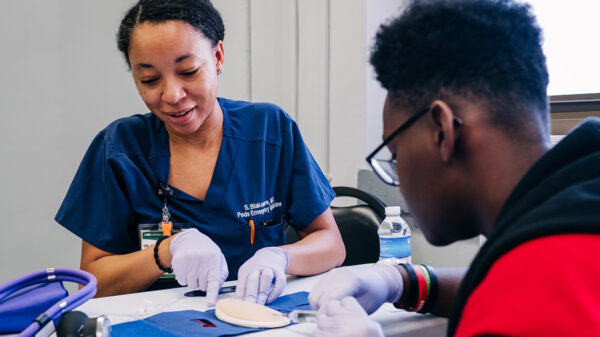
The private education and health services sector, which includes medical workers, reached a record high of 269,000 jobs, an increase of 6,400 over the year. Nursing and other health care jobs have remained among the state’s most in-demand occupations.
“It’s great to continue to see positive growth in our jobs numbers, particularly when one of our most in-demand and needed professions, nursing, is showing such a strong increase,” Reed said. “Wage growth in two of our highest paid sectors, construction and manufacturing, is also a positive economic development. We will continue our work to ensure that Alabamians have access to well-paying, high-growth positions so that they can achieve greater financial stability for themselves and their families.”
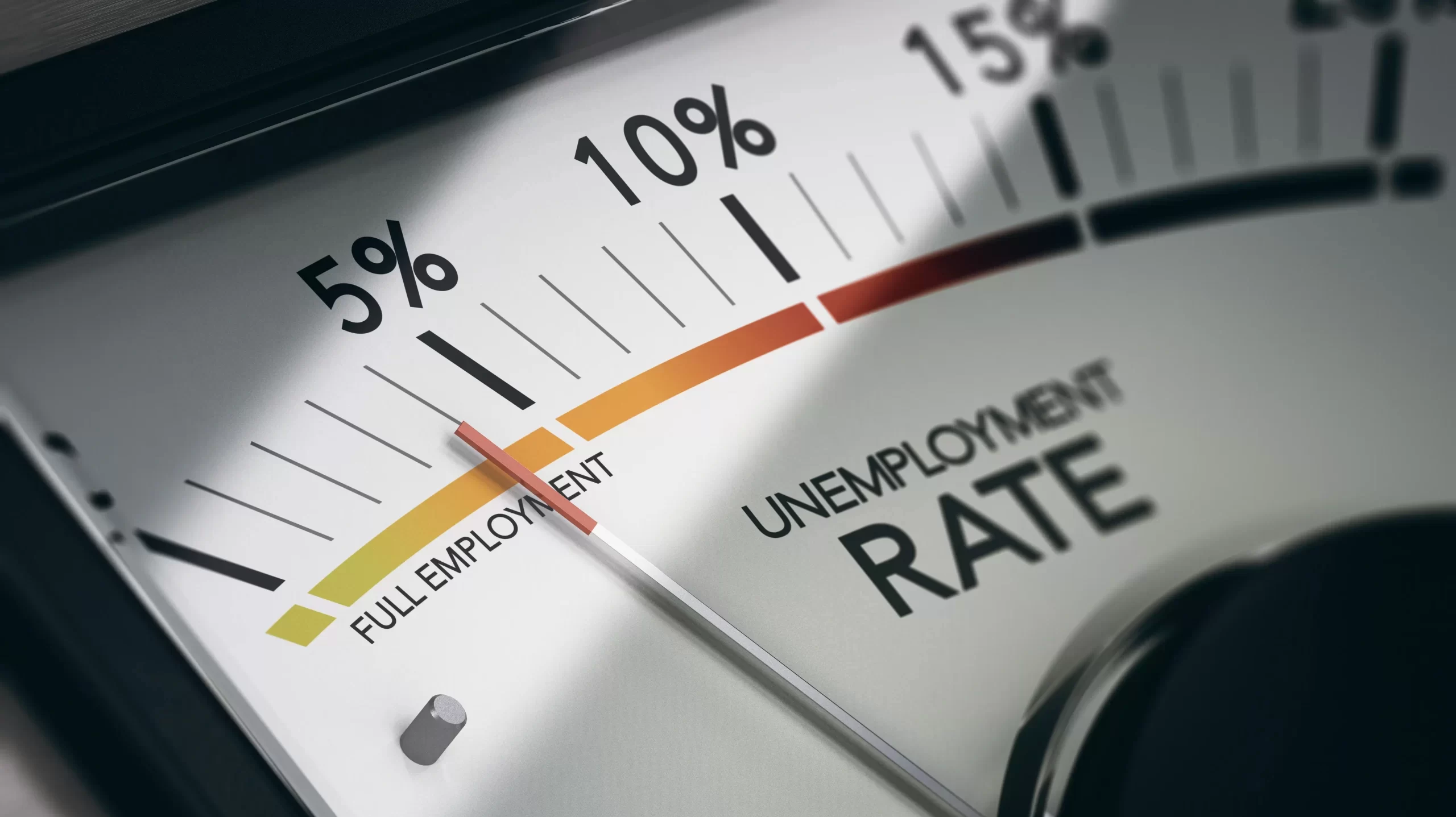
Alabama’s preliminary, seasonally adjusted unemployment rate was 3.4 percent in July, up from 3.2 percent in June and 2.8 percent in July 2025.
The July rate represented 79,345 unemployed people, compared with 76,589 in June and 66,983 in July 2025.
The number of employed people decreased by 22,283 over the year to 2,286,389. The civilian labor force also decreased to 2,365,734, down 9,921 people over the year.
Alabama’s labor force participation rate was 56.9 percent in July. The participation rate among prime-age workers, those ages 25 to 54, was 79.5 percent.
Nearly 62 percent of people not counted in the labor force participation rate were 55 or older.
Shelby County had the state’s lowest unemployment rate at 2.9 percent, followed by Morgan, Limestone, Chambers and Blount counties at 3 percent and Marshall and Elmore counties at 3.1 percent.
Perry County had the highest unemployment rate at 7.1 percent, followed by Greene County at 6.7 percent and Monroe County at 6.5 percent.
Among major cities, Trussville had the lowest unemployment rate at 2.7 percent, followed by Vestavia Hills at 2.8 percent and Pelham, Madison, Hoover and Alabaster at 2.9 percent.
Prichard had the highest unemployment rate among major cities at 6.9 percent, followed by Selma at 5.8 percent and Bessemer at 5.2 percent.