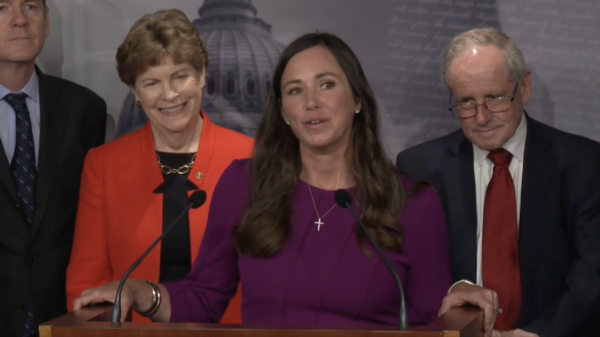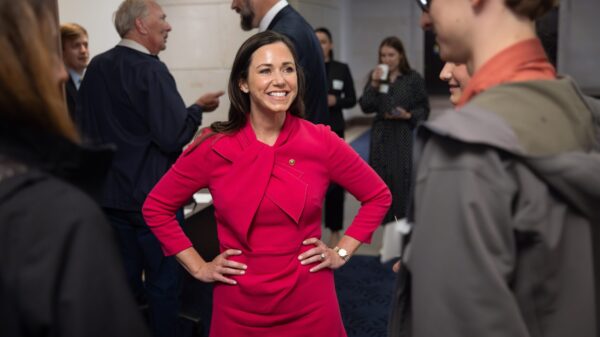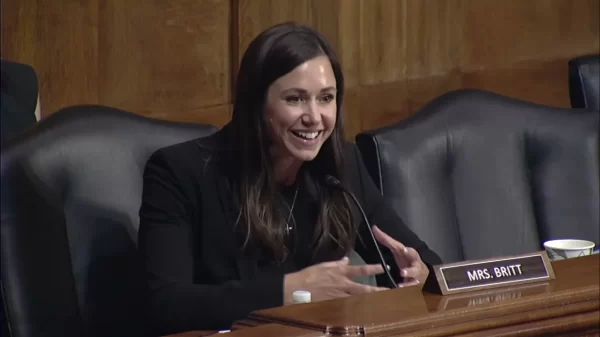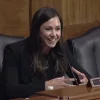












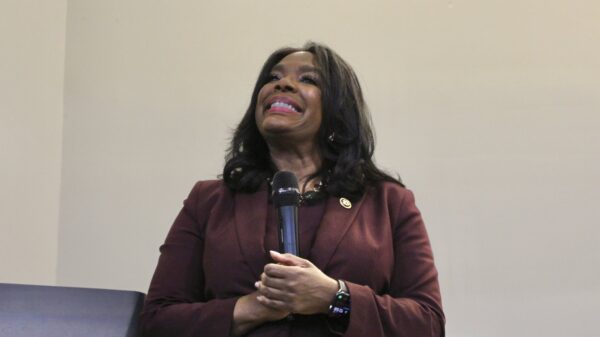






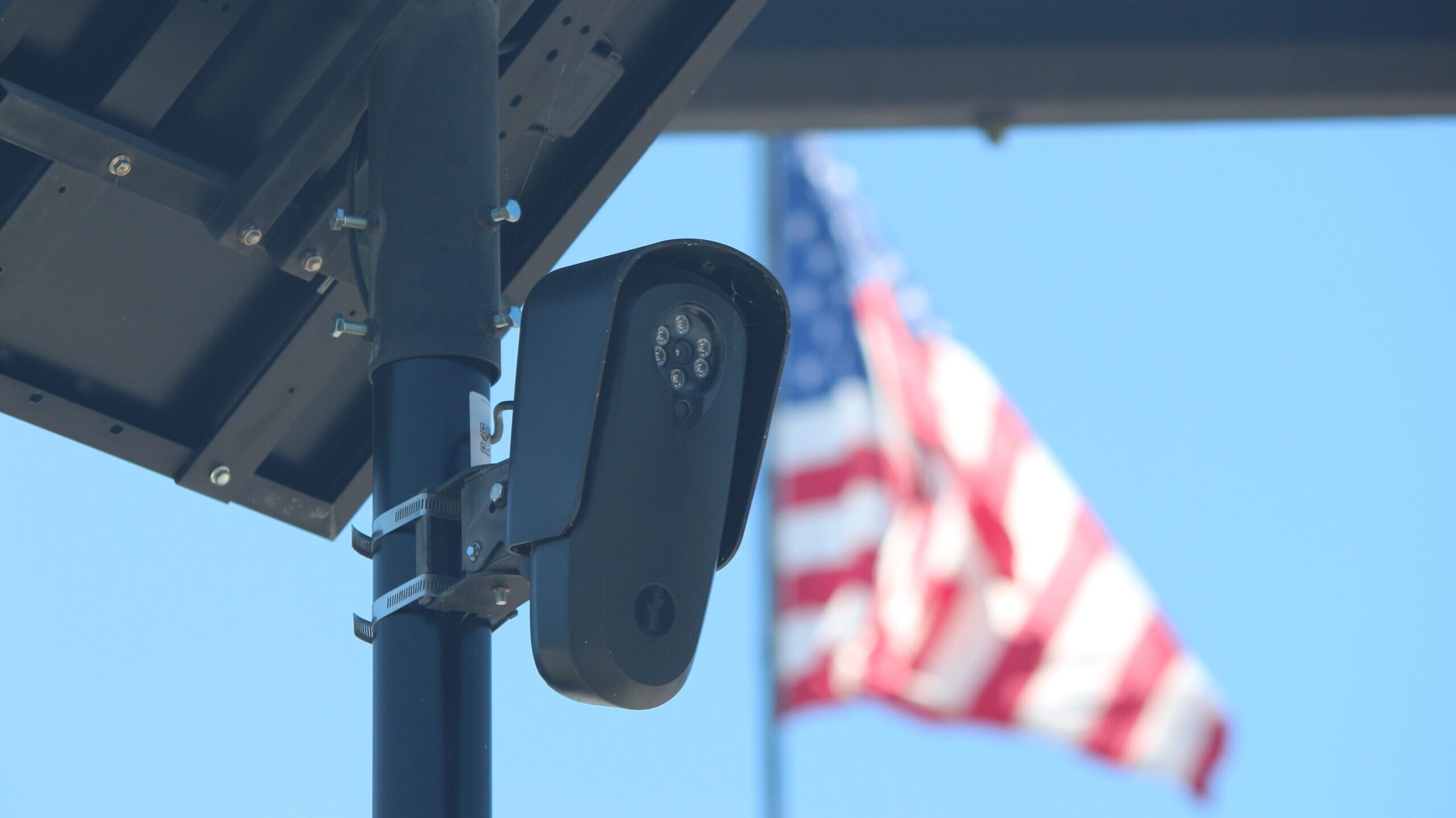
U.S. Senator Katie Britt, R-Alabama, called for stronger safeguards on automated license plate readers during a Senate Judiciary hearing Wednesday, saying the technology can help law enforcement protect the public while also raising concerns about potential violations of Americans’ Fourth Amendment rights.
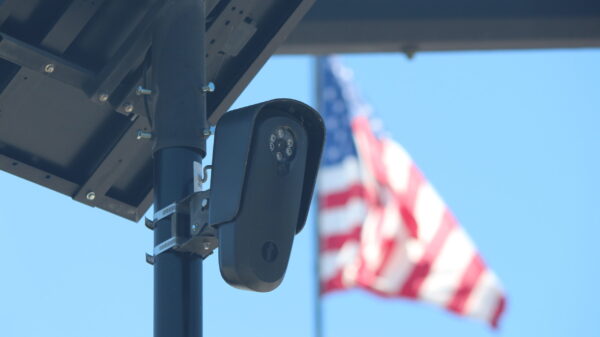
Britt’s comments came during a Senate Judiciary Subcommittee on Crime and Counterterrorism hearing examining the growing use of Flock Safety cameras and other automated license plate reader systems. The technology captures information, including license plates, make, model and color, and allows law enforcement agencies to search the data during criminal investigations.
“We want to keep and make sure that our law enforcement officers have what they need to keep Americans safe, but we must protect people’s Fourth Amendment rights,” Britt said.
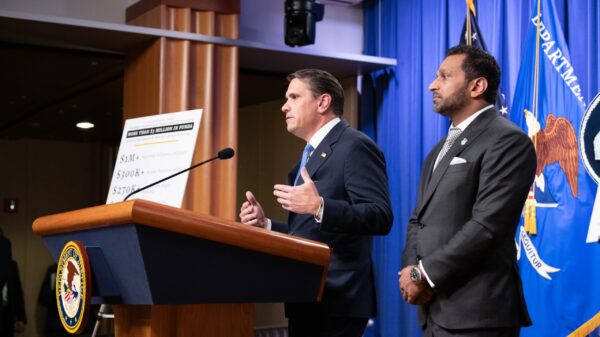
Britt and U.S. Senator Raphael Warnock, D-Georgia, sent a letter Monday to Attorney General Todd Blanche asking the Department of Justice to guide state and local law enforcement agencies on preventing the misuse of automated license plate readers.
The senators cited reports of officers using the systems to stalk or harass current, former or prospective romantic partners. Their letter said at least 50 law enforcement officers nationwide have been charged with or accused of using automated license plate readers for unauthorized purposes, including at least 30 cases involving alleged stalking of romantic partners.
The letter asks the Justice Department to provide information about its funding and oversight of automated license plate reader systems and to establish safeguards addressing access controls, auditing, supervisory review and consequences for intentional misuse. Britt and Warnock asked the department to respond by October 21.
During Wednesday’s hearing, Britt pointed to cases in Alabama in which automated license plate readers helped locate missing children, endangered people and individuals who had been kidnapped or reported as runaways.
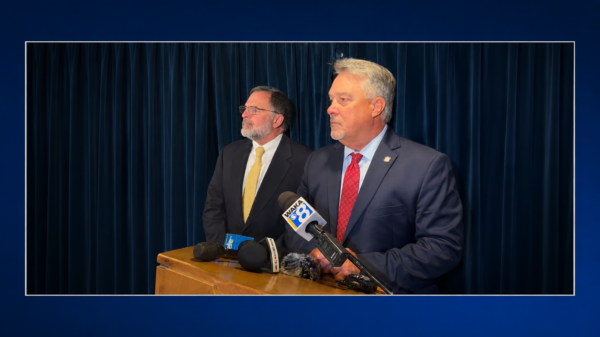
Pinal County, Arizona, Sheriff Ross Teeple testified before the committee about the system’s benefits while describing concerns about how the technology could be misused.
Teeple said his deputies had used automated license plate readers appropriately and cited a recent case in which the technology helped investigators identify an aggressive driver who rammed a woman’s vehicle and pushed it into oncoming traffic, killing her.
Teeple also pointed to guidelines recently issued by the National Sheriffs’ Association and Major County Sheriffs’ Association as a potential framework for establishing rules around the technology.
Among the safeguards Teeple discussed was limiting the systems to capturing still images of license plates rather than continuously streaming or recording video. He also said unauthorized access to automated license plate reader information should carry significant penalties.
“If I access CJIS information incorrectly, in Arizona, it’s a Class 6 felony. I don’t know a law enforcement official that doesn’t think that the same penalty should apply if you access this data incorrectly,” Teeple said.
Britt said she was particularly concerned about cases involving domestic violence victims, gun owners and others who could be targeted through unauthorized searches.
“Everything in between this technology being utilized to harass and or track someone is absolutely, completely unacceptable,” Britt said.
The senators’ letter also warned that automated license plate reader systems have expanded significantly. According to the letter, Flock’s network has more than 120,000 cameras across 49 states and about 140,000 monthly active users. The systems conduct billions of vehicle scans each month, turning vehicles and their locations and times into searchable data.
Britt also asked the Justice Department to establish appropriate oversight and guidance for law enforcement agencies receiving federal support for the technology. She said the goal should be to preserve legitimate uses of the technology while establishing safeguards against unauthorized access and abuse.