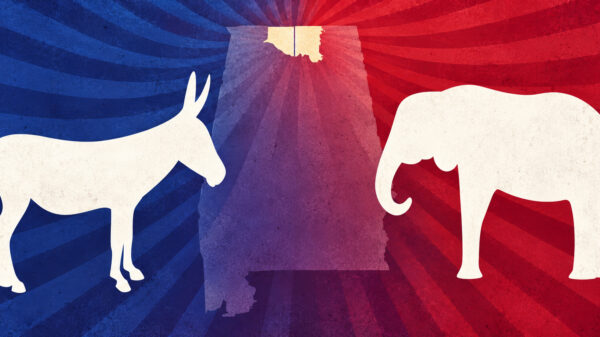




















Republican pushback against U.S. Senator Tommy Tuberville’s comments about Huntsville newcomers and Friday’s pledge to eliminate Alabama’s grocery tax are part of a strategy to protect legislative seats in Madison and Limestone counties, according to Republican sources familiar with the effort.
The sources were granted anonymity to discuss sensitive internal party matters. They said concern about losing seats to Democrats connects the public response to Tuberville with the grocery tax announcement weeks before the election.
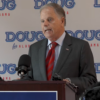
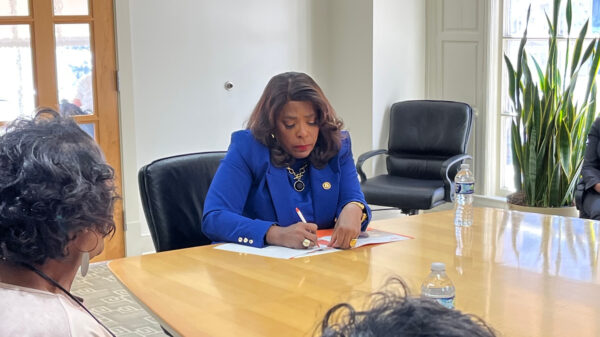
Representative James Lomax, R-Huntsville, participated in both developments. On Friday, Lomax rejected Tuberville’s characterization of newcomers and joined legislative leaders at Star Supermarket in Huntsville to promote permanent elimination of the remaining state grocery tax.
The four Huntsville-area Republican lawmakers named in the announcement face Democratic challengers on November 3.
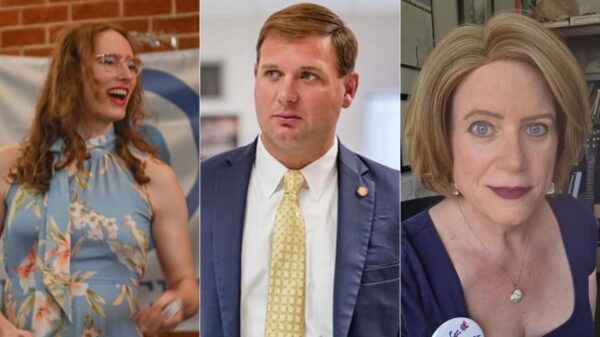
Lomax faces James Linderholm in House District 20; Representative Rex Reynolds faces Forrest Satterfield in House District 21; Representative Phillip Rigsby faces Allison Montgomery in House District 25; and Senator Sam Givhan faces Jared Sluss in Senate District 7.
Republicans are also defending the open Senate District 2 seat, where John Roberts faces Democrat Rudolph Valentino Drake. Republican Senator Tom Butler is retiring from the district, which spans parts of Madison and Limestone counties.
The five contests place Republican candidates before voters in Madison and Limestone counties, where population growth and changing voting patterns have raised concerns within the party.
Tuberville addressed the region’s changing electorate during an October 13 appearance on “The Jeff Poor Show,” saying newcomers had attended “government-educated schools that have taught socialism and communism.”
He linked their arrival to weaker Republican electoral performance in parts of the region and said the party needed to change their thinking. Later in the interview, he characterized concerns about political changes as somewhat exaggerated and emphasized Republican turnout.
Lomax publicly rejected the characterization.
“This is not correct,” he wrote on Facebook, saying families moving to Huntsville were strengthening Alabama and had chosen the state for the same reasons his parents did.
His response came as Republican legislative leaders offered voters a commitment on household costs.
At Friday’s announcement, House Speaker Nathaniel Ledbetter said lawmakers had drafted legislation eliminating the remaining 2 percent state grocery tax and would file it when the 2027 Legislative Session begins. He pledged to bring it to the House floor within the session’s opening weeks.
An Alabama Political Reporter review of official election files found that Republican primary ballots in Madison County fell from 51,220 in 2022 to 32,044 this year. Democratic ballots increased from 11,934 to 35,316.
Overall participation rose by about 7 percent, but more voters selected Democratic ballots than Republican ballots. In neighboring Limestone County, Republican participation fell approximately 41 percent while Democratic participation nearly tripled. APR found the same direction of movement in Shelby and Jefferson counties.
Primary participation does not predict November results. Competitive nominations influence ballot choices, and countywide totals cannot establish the political balance within individual legislative districts.
The geographic connection is nevertheless direct. Lomax, Reynolds and Givhan represent Madison County districts. Rigsby’s House district and the open Senate District 2 seat include parts of Madison and Limestone counties.
Republican officials have publicly acknowledged the electoral risk. Senator Chris Elliott has warned that population changes are tightening some legislative contests. Rigsby has urged conservatives to vote, cautioning against allowing the national political climate to cost Republicans state and local seats.
Democratic gubernatorial nominee Doug Jones challenged the timing of Friday’s tax announcement, calling it an “election year conversion.” He argued that the possibility of losing the governorship and legislative seats had created urgency around a proposal Democrats had advocated for years.
Ledbetter defended Republicans’ record, citing previous grocery tax reductions and more than $1.5 billion in tax relief. He also questioned why Democrats had not eliminated the tax during their years controlling the Legislature.
Alabama reduced its state grocery tax from 4 percent to 3 percent in September 2023 and to 2 percent in September 2025. Lawmakers temporarily suspended the remaining tax during May and June this year.
Permanent elimination would save a household spending $1,000 monthly on qualifying groceries another $20 a month, or $240 annually. Local grocery taxes would remain unless separately reduced.
The remaining state tax is still in place. Whether Friday’s pledge becomes law will be decided by the Legislature voters elect on November 3.