




























Grief arrives like a summer storm. Sometimes dramatic, with thunder and lightning. Sometimes it’s so subtle you don’t notice it until you feel the rain hit your skin.
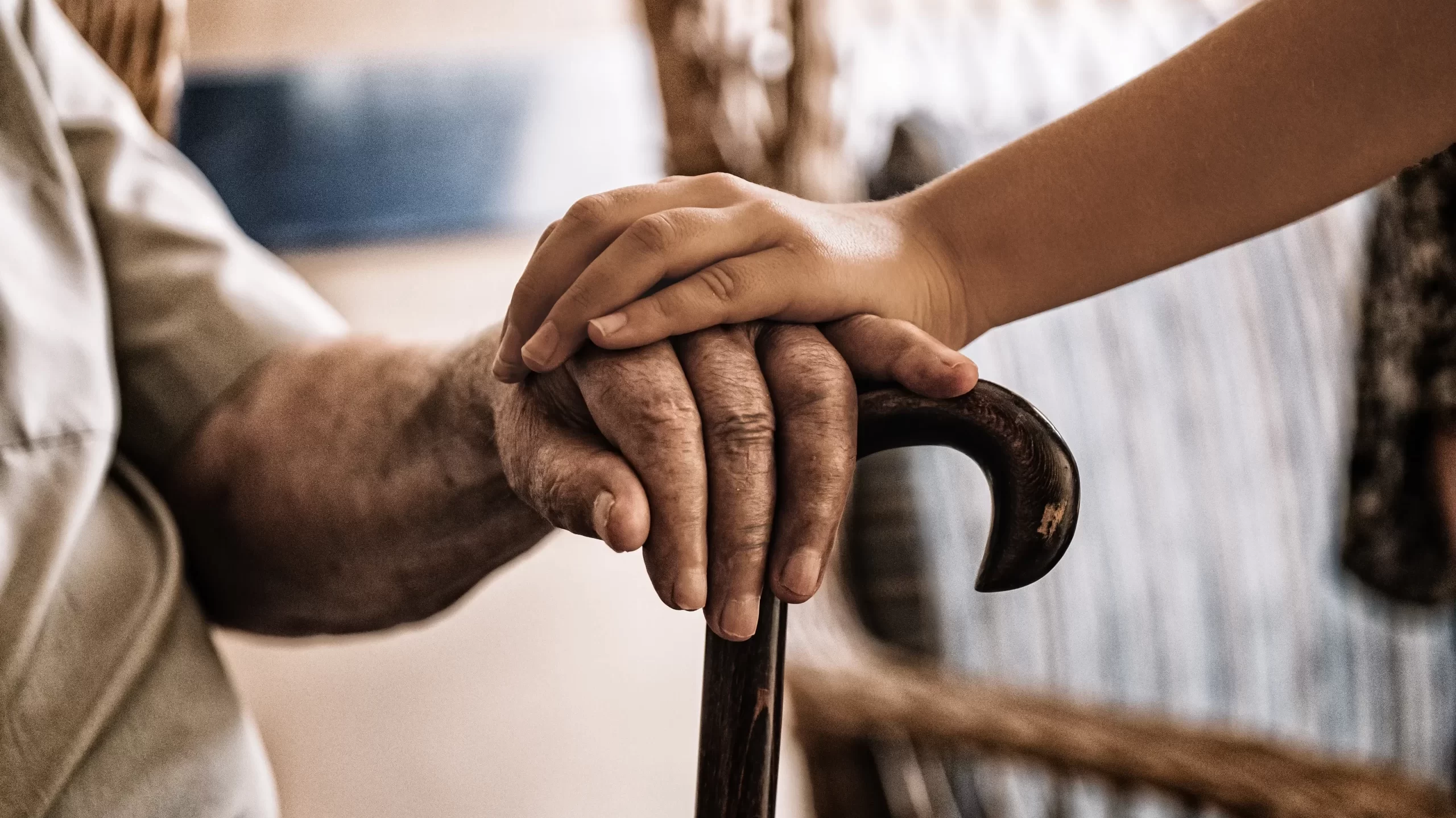
Grief is almost uniquely human. Few animals display the kind of grief we endure. If you live long enough, you eventually feel its unmistakable weight. Overwhelming to the core. No two people experience it the same way, but grief has a strange ability to reveal both the very best and the very worst in people. David Kessler once described grief as leaving a fingerprint. Not a wound or a scar, but a fingerprint. A unique piece of evidence left behind by someone who mattered deeply to us. That fingerprint is proof. Proof that we loved something enough for its absence to permanently alter us in ways we couldn’t possibly fathom.
There was a time when people understood grief more intimately than we do now. Grief was communal and physical instead of administrative. Families displayed the dead in the parlor of the house. Friends gathered where birthdays and Christmas mornings had once been celebrated. Death wasn’t hidden behind institutional walls or outsourced to pale-faced professionals in cheap suits. Today grief feels much more efficient. Much more sterile. Most corporate bereavement leave lasts one or two days, which feels absurd when you stop and think about it. How exactly is someone supposed to return to normal life forty-eight hours after losing a spouse, child or parent?
Modern culture treats grief like an interruption instead of a transformation. John Claypool understood this better than most. After losing his twelve-year-old daughter to leukemia, he wrote that healing began when he remembered she was a gift, not a possession. Something he neither earned nor deserved. And that the proper response to a gift is gratitude. I often think about that when someone dies. The only thing that eventually softens grief is realizing that what we lost was never truly owed to us in the first place. That doesn’t remove the pain. Nor should it. Grief is evidence that something mattered. Evidence that love happened here.
The old tradition of sitting up with the dead acknowledged something we spend enormous energy trying to avoid: love and loss were never meant to live far apart. In earlier centuries people understood this instinctively because death was always close. A simple infection could signal the beginning of the end. People died younger and more often than they do today.
Which may explain why grief feels so disorienting in modern life. We’ve become experts at insulating ourselves from reminders that life is fragile. People “pass” instead of dying. Nobody sits with the dead anymore. Ashes arrive in polished containers that sometimes resemble the packaging from a veterinarian’s office after a family pet dies. But grief refuses efficiency.
It shows up unexpectedly. In familiar songs. In smells. In empty chairs at Thanksgiving. In hearing a joke and instinctively turning toward the person who would have laughed the hardest.
And eventually you realize the pain is not a malfunction. It’s the new normal. That realization changes you. Because grief eventually stops being only about the person you lost. It becomes about the person you become afterward.
Modern culture is uncomfortable with grief because grief slows life down. It interrupts productivity. It refuses to stay tidy and manageable. But grief stubbornly resists moving on. It just sits there. Heavy. Honest. And maybe that honesty is part of its strange gift.
Because grief clarifies things. Not immediately. At first it disorients. But over time it burns away illusion. You begin to see how fragile everything is. How temporary every family dinner really is. How many moments felt ordinary while they were happening and sacred only afterward.
What if grief is not proof that a life ended, but proof that a life happened? What if we aren’t meant to “move on?” Maybe we are simply meant to “move forward” while allowing the fingerprint to remain. Because grief, for all its pain, is still evidence that someone reached deeply enough into your soul to leave part of themselves behind. And perhaps that is the quiet hope hidden inside grief: the fingerprint remains because your soul is changed forever.