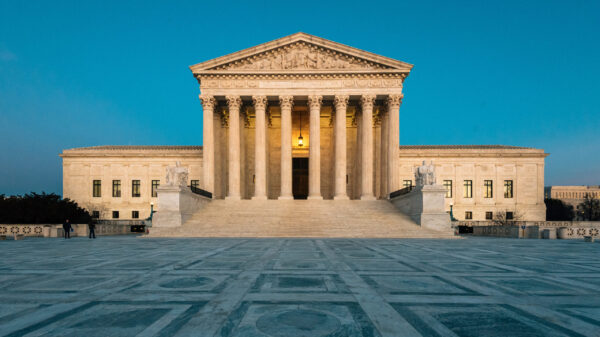



















The U.S. Supreme Court on Tuesday granted Alabama’s request to use its preferred map for the August 11 Congressional primaries, even as plaintiffs argued the election would be impossible to administer under the state’s own deadlines.
The three-judge federal panel that blocked the map agreed, relying heavily on testimony from Elections Director Jeff Elrod, that administering the election under the GOP-favored 2023 map would be “perhaps logistically impossible.”
“Assuming Applicants have respected and followed the district court’s order to administer all remaining events since May 26 according to the Special Master Plan, the voter reassignment effort that was ‘perhaps logistically impossible’ on May 26, is impossible now as of June 1,” the Singleton plaintiffs told the Supreme Court. “If absentee ballots are issued the morning of June 2, then all changes must be completed by today, June 1. And state and county administrative offices are closed today, June 1, to celebrate the birthday of Jefferson Davis.”
The Supreme Court’s ruling allowing the state to use its map came at approximately 8:30 p.m. June 2, possibly too late to begin the reassignment process. Officials have not given an exact time for when voter records would be locked down.
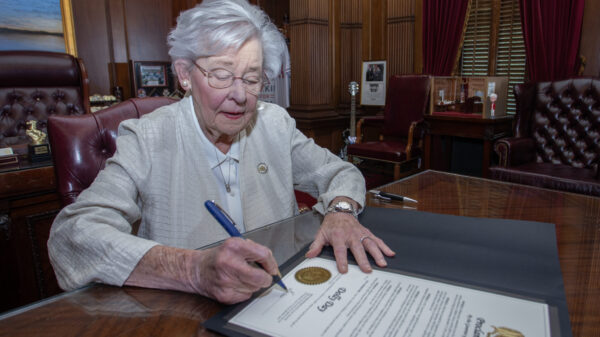
State officials also did not answer APR’s direct questions about the reassignment process. A spokesperson for Governor Kay Ivey’s office directed questions about election administration to the secretary of state’s office.
Secretary of State Wes Allen did not directly respond to APR’s questions about the reassignment process, instead pointing to a press release stating, “The Secretary of State’s Office will continue coordinating with county election officials, boards of registrars, and election vendors regarding implementation of the Court’s order and any necessary voter district updates associated with the congressional special primary election scheduled for August 11, 2026.”
Barry Stephenson, chair of the Jefferson County Board of Registrars, confirmed to APR on Wednesday morning that no reassignment took place there Tuesday night and that voting records are locked until June 17 because of the June 16 runoff election.
The effect on reassignment remains unclear. During three hours of testimony at the federal hearing in Birmingham, Elrod did not discuss whether reassignment could occur once other records became unlocked again. The testimony focused on the June 2 deadline.
Stephenson said the Jefferson County Board of Registrars could likely complete the redistricting process in one day. It is unclear whether more rural counties could move as quickly while ensuring accuracy.
The current calendar for the August 11 primary lists June 17 as the day probate judges must deliver absentee ballots to absentee election managers. The state has amended the calendar multiple times in an effort to make the election work, but that deadline is established under state law, and there is no clear authority to ignore it.
The calendar also does not account for vendors, who will need the information to print ballots, including ballots for overseas voters that must be mailed by June 27.
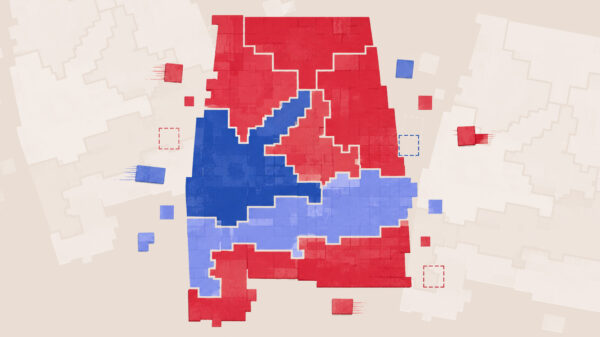
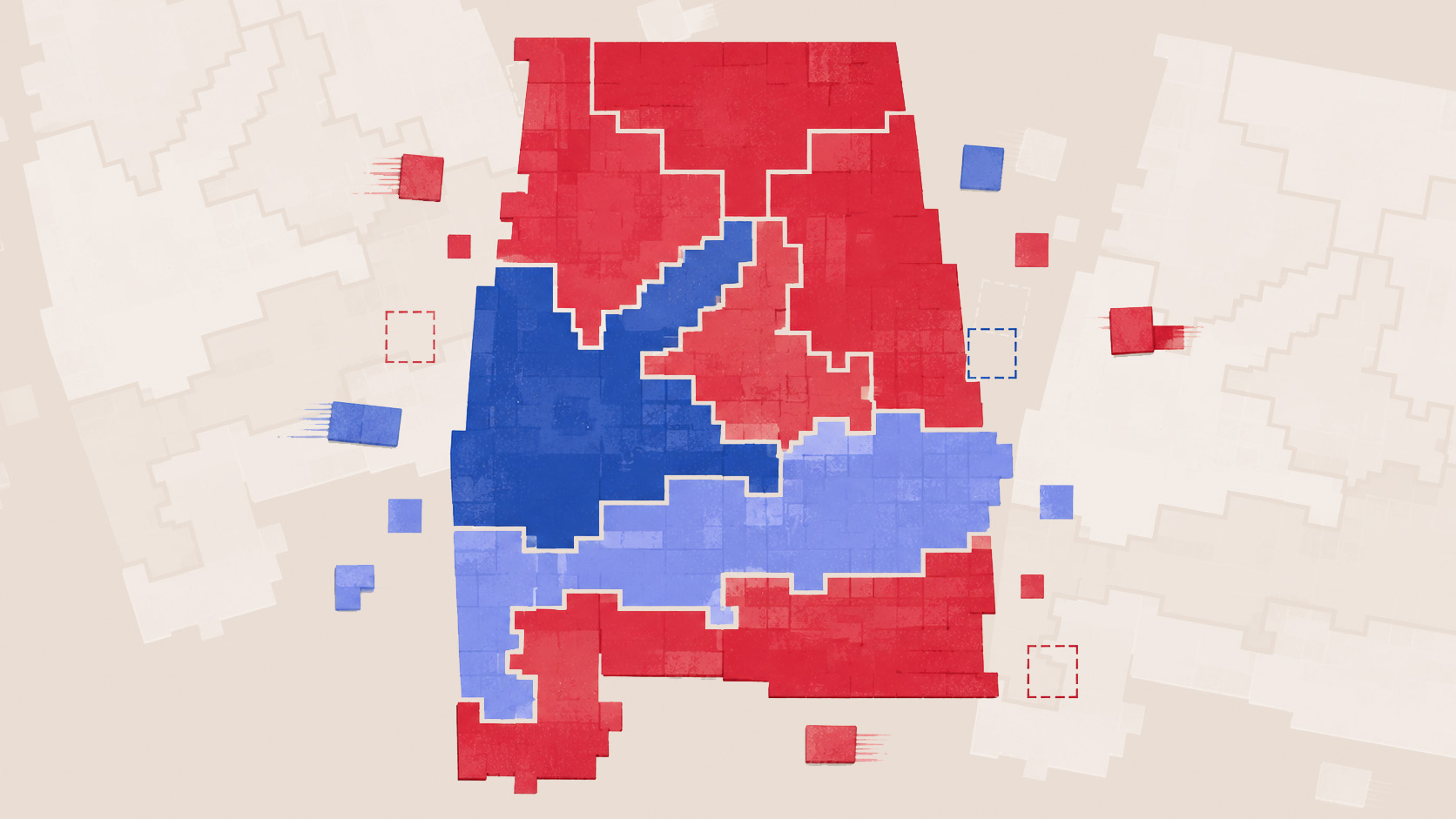
The latest uncertainty stems from the state’s insistence on using a map that could give Republicans a 6-1 share of Congressional seats instead of a 5-2 split.
The three-judge federal panel—two Trump appointees and a Reagan appointee—cited that disruption as an additional reason to block use of the 2023 map, although its primary reason was intentional discrimination against Black voters.
The Supreme Court rejected that reasoning.
“While federal courts should not impose changes close to an election … States are free to decide for themselves whether last-minute changes to an election are in their best interests,” the unsigned order stated.