


































Jeffery Lee’s life hung in the balance Thursday evening as state officials prepared for his execution after federal courts denied Alabama permission to use nitrogen hypoxia.
The state had hoped the U.S. Supreme Court would overrule the lower court and allow the execution to proceed, as it has done in other death penalty cases.
Instead, the court reaffirmed the lower court’s decision and barred the state from putting Lee to death by nitrogen hypoxia.
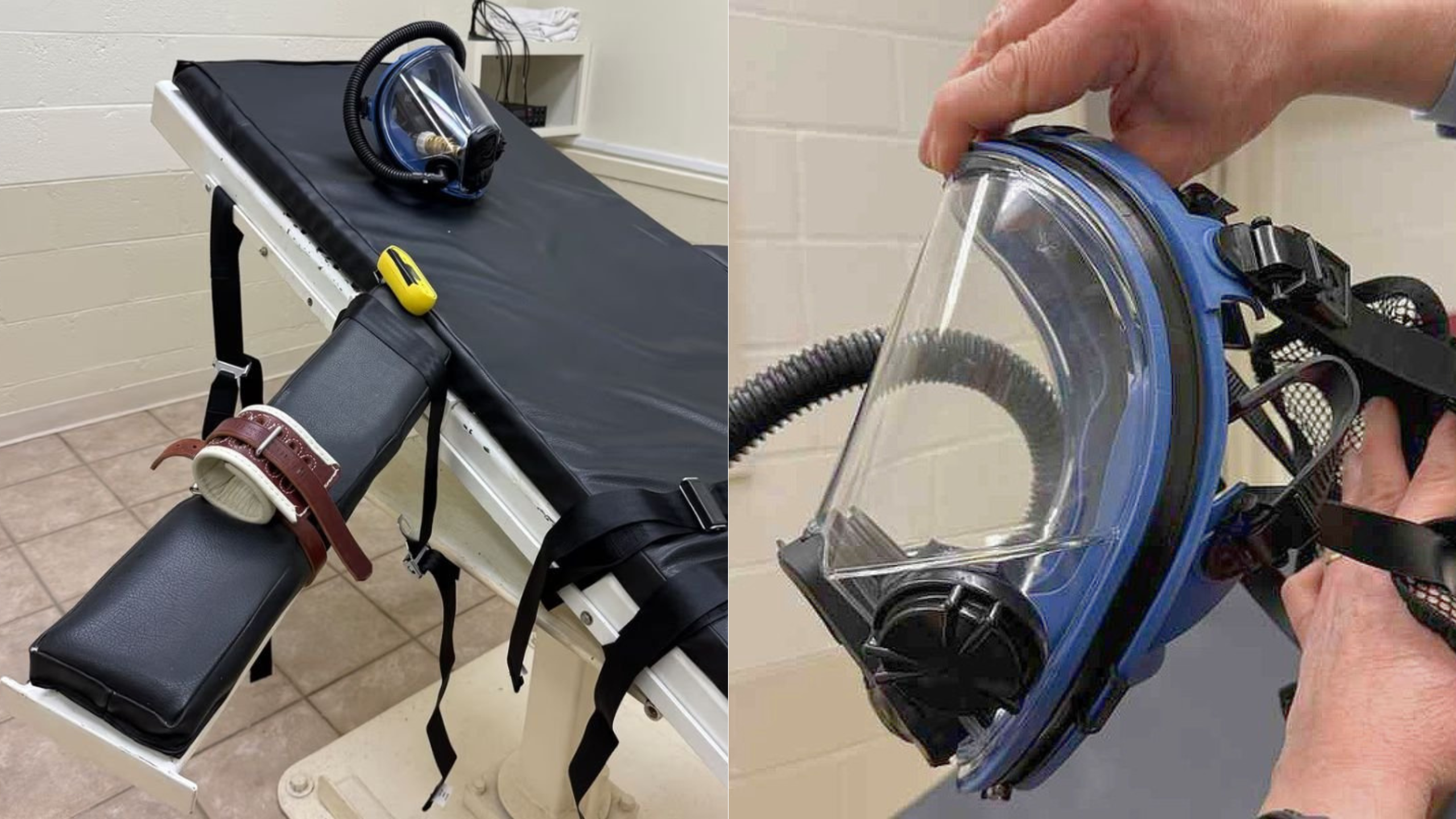
Alabama pioneered the execution method, and evidence from previous executions led the court to consider the method “cruel and unusual” in violation of the Eighth Amendment to the U.S. Constitution.
Men executed by the state using nitrogen hypoxia have shaken violently in the moments before death, presumably from air hunger as the mask deprives the body of oxygen. State officials have said the movements result from the men holding their breath as long as possible to delay the process.
The Supreme Court decision does not prevent the state from carrying out Lee’s execution. It only bars the state from using nitrogen hypoxia. A lower judge ruled the state could execute Lee by lethal injection or the electric chair.
“Jeffery Lee was convicted and sentenced to death for the December 1998 murder-robbery of Jimmy Ellis and Elaine Thompson in Dallas County,” Governor Kay Ivey said in a statement Thursday evening. “While I am disappointed the Supreme Court did not allow the state to proceed with Lee’s chosen method of execution, I remain committed to ensuring that justice is ultimately served for his victims.”
Some citizens and groups have called for clemency in Lee’s case in part because the jury recommended life in prison without the possibility of parole. A judge overrode the jury’s recommendation and imposed the death penalty, a practice Alabama has since barred.
But people like Lee, who were sentenced to death under judicial override, remain scheduled for execution.
The state still plans to execute Lee but must now change course on the method of execution. Officials have not said how long that process may take.