


































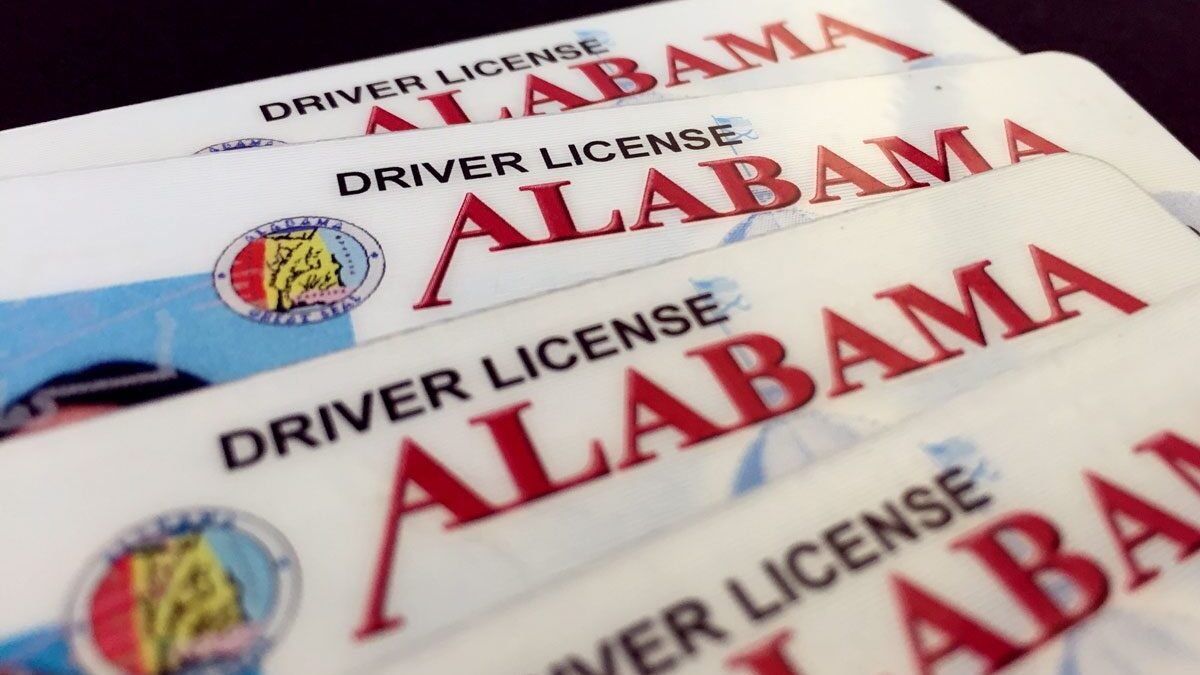
Alabama officials are expanding a program that provides driver’s licenses and state identification cards to incarcerated people before their release, following a pilot program at Elmore Correctional Facility that issued more than 100 credentials.
Members of the Alabama Reentry Task Force received an update on the initiative during a meeting Tuesday, where officials with the Alabama Law Enforcement Agency and the Alabama Department of Corrections said 111 credentials have been issued at Elmore since January.
Sam Adams, governmental affairs director for the Alabama Law Enforcement Agency, said the agencies are preparing to expand the program to five additional correctional facilities after using Elmore as a test site.
“We’ve issued 111 credentials, and we are in the process of adding five more facilities to the list that we’ll be able to serve,” Adams said. “That was our pilot location, and I think we made some good technical improvements on how we can deliver on these processes.”
Adams said officials have completed a site visit at Julia Tutwiler Prison for Women, which is expected to be the next facility added to the program. Limestone Correctional Facility, Bibb Correctional Facility, Fountain Correctional Facility and Kilby Correctional Facility are also expected to be included as the program expands.
Stanford Robinson, who oversees education, programs and reentry for the Alabama Department of Corrections, said the agencies have worked out a transportation schedule that allows inmates at Staton Correctional Facility to travel to Elmore once a week to obtain identification documents.
Robinson said Kilby was moved up the list of expansion sites because inmates housed at the Alabama Therapeutic Educational Facility complete treatment programming there but are released through Kilby.
“We’ll go ahead and knock out Kilby there because everybody that releases from the Alabama Therapeutic Educational Facility releases through Kilby,” Alabama Department of Corrections Commissioner John Hamm said. “They’re doing all the programming, but we’ll be able to take care of the statutorily required things at Kilby.”
Formerly incarcerated people often need identification documents to apply for jobs, obtain housing, open bank accounts, secure transportation and access government services after release. By providing identification before release, agencies can address many of the barriers inmates face when returning to their communities.
The initiative also aligns with goals outlined in Alabama’s Reentry 2030 plan, which seeks to reduce recidivism and improve employment outcomes for people leaving prison. State officials have repeatedly identified employment as one of the strongest predictors of successful reentry.
The expansion comes as Alabama continues work on a multibillion-dollar prison construction program that includes the Governor Kay Ivey Correctional Complex in Elmore County. Robinson said the identification program will become more important once the new facility opens, given the size of the inmate population expected to be housed there.
“When GKI comes online, and it’ll be in Elmore, we’ll have two there for 4,000 inmates,” Robinson said.
Robinson emphasized that neither ALEA nor ADOC is legally required to provide identification services at the scale currently being implemented, but he said both agencies have chosen to expand the program beyond the minimum requirements established in state law.
“I always like to point this out that this is not statutorily required for either ALEA or for ADOC to do this much,” Robinson said. “I think both agencies are embracing the spirit of the law versus the letter of the law and trying to make this happen.”
State officials said the expansion will allow more inmates to leave prison with identification already in hand, potentially reducing delays in finding employment and accessing services during the critical first weeks after release.