









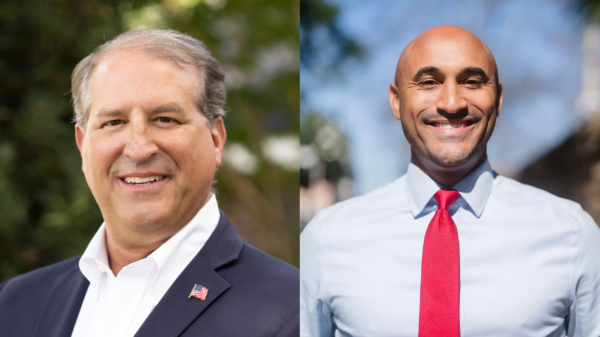





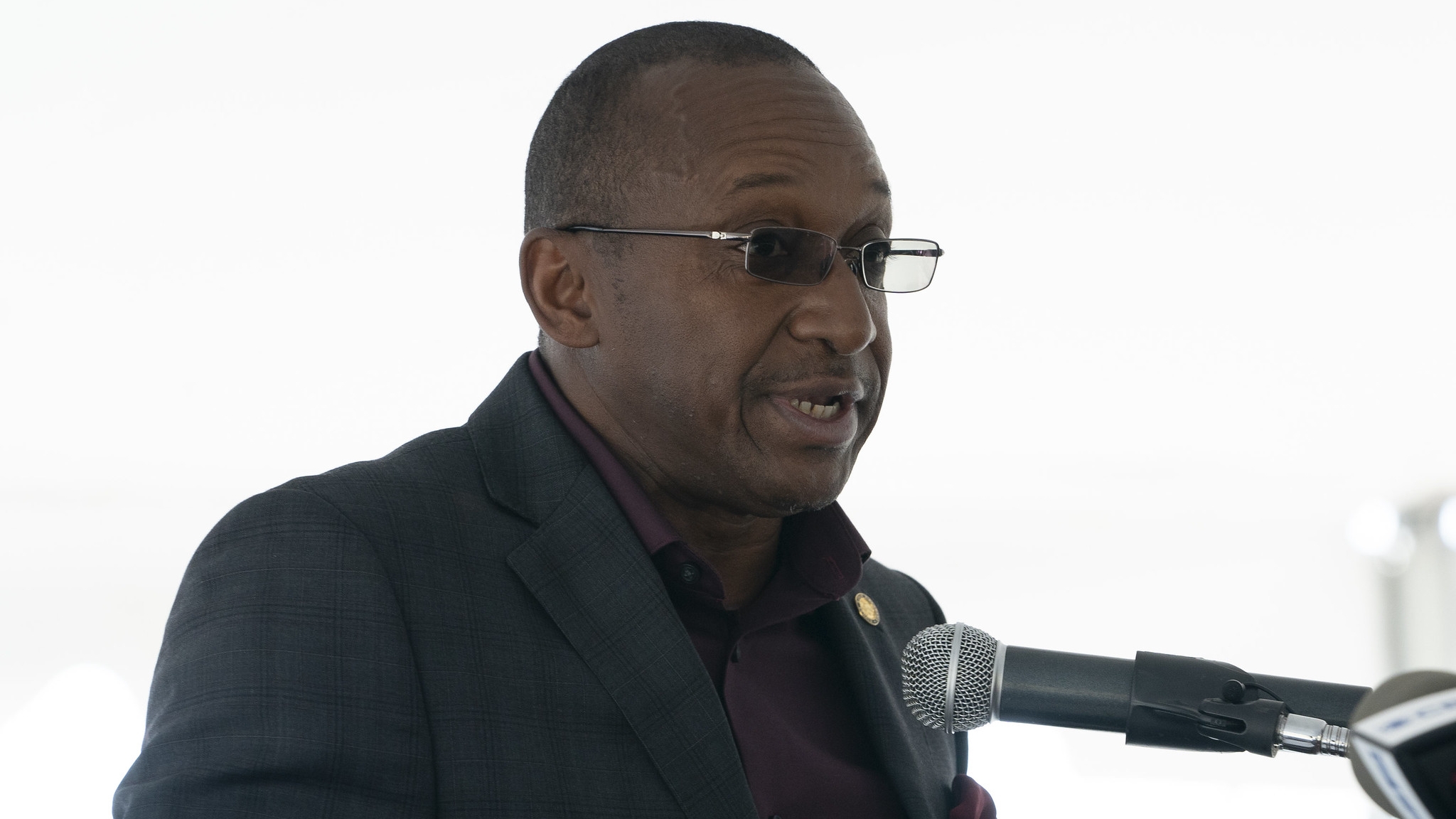
State Senator Bobby Singleton, D-Greensboro, will lead the Alabama Democratic Party for the next four years after handily defeating incumbent Chairman Randy Kelley 165-62 in an election held Saturday.
The vote came after years of turmoil within the party that stretch back well beyond Kelley’s term. The party has faced infighting for decades, and that tension reared its head again during the nearly six-hour meeting. Even approval of the previous meeting’s minutes was derailed by contentions that the meeting had improperly proceeded without a quorum.
Meanwhile, Democrats are on the heels of an election that many believe could be more favorable to Democratic candidates than any Alabama ballot has been in years.
Singleton promised members that he wants to bring the party together and make it work to seize the moment at hand.
“I want you to know that I hear you, I see you,” Singleton said. “We need to make sure that we realize and listen to people. I’m gonna hold listening tours across all 67 counties because I want you to know: Women, I see you, and I hear you. I want the LGBTQ to know that I hear you and I see you. We can no longer sit back and do things in an archaic way.”
The party had been fractured under the leadership of Kelley, an ally of Joe Reed, leader of the Alabama Democratic Conference. The party eliminated its LGBTQ+, youth and disabled caucuses in 2023, only to have them restored a year later by order of the Democratic National Committee.
Observers from the DNC were present Saturday to ensure proper procedures were followed.
There were also tensions between Kelley and Vice Chair Tabitha Isner, who has said she was consistently shut out of essential operations.
Singleton has been a fixture within the Alabama Democratic Party for more than two decades, serving in the Alabama House of Representatives beginning in 2002 before moving to the Alabama Senate in 2005. He now serves as Senate minority leader.
With the election now less than 90 days away, Singleton said he plans to visit every county before Election Day to support county chairs and fundraisers.
While the party has publicly fought within itself over the past four years, it has made some progress, including expanding its reach to establish county parties in all 67 Alabama counties.