








According to Area Development magazine’s 2026 Top States for Doing Business report, Alabama ranks as the seventh-best state for doing business in the country this year, climbing one spot from its No. 8 ranking in 2025 and 2024.
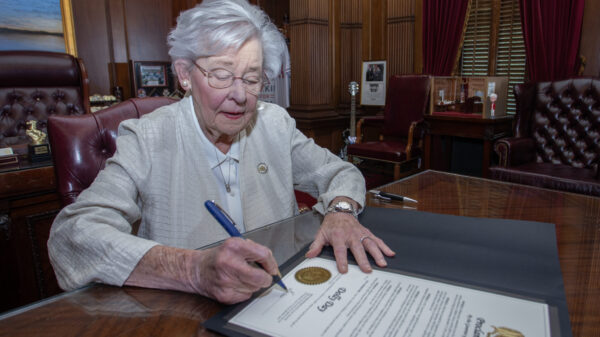
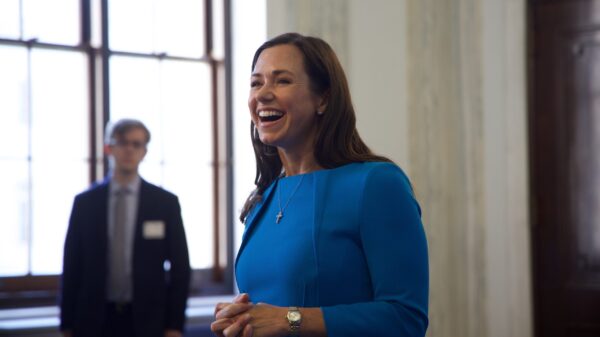
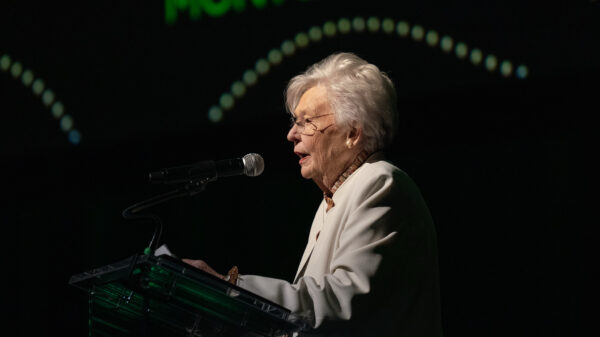
In a statement, Alabama Governor Kay Ivey celebrated the ranking, touting her administration’s emphasis on economic development and securing corporate investment in the state.
“Alabama is, indeed, open for business!” Ivey said. “This latest ranking by Area Development sends a clear message that Alabama is one of the most business-friendly states in the nation, offering the policies, infrastructure, skilled labor and space for companies to thrive.”
In addition to its overall top 10 ranking, Alabama also ranked first in several specific metrics, including property tax environment, overall cost of doing business and labor cost competitiveness.
“Earning the No. 1 spot in several critical categories shows that our strategy of recruiting investment, preparing industrial sites, developing our workforce and maintaining a competitive business climate is delivering results,” Ivey said. “I am proud we are a top 10 state for doing business and climbing.”
Alabama also ranked among the top 10 states for several other factors, including business incentives programs, regulatory environment, permitting and development predictability, cooperative local and state government, workforce training programs and more.
Alabama Commerce Secretary Ellen McNair also touted the state’s recognition by Area Development, arguing that Alabama has created an ideal environment for investment and business activity.
“Alabama’s continued recognition by Area Development is a strong validation of the work we are doing to make our state an increasingly competitive place for investment and job creation,” McNair said. “Companies are looking for more than a favorable tax climate. They need development-ready sites, a skilled workforce, reliable energy, predictable permitting and communities that are ready to move quickly when an opportunity comes their way. Alabama has been making deliberate investments in each of those areas, and these rankings reflect that progress.”
Alabama’s climb in the rankings follows a landmark year for economic development in the state.
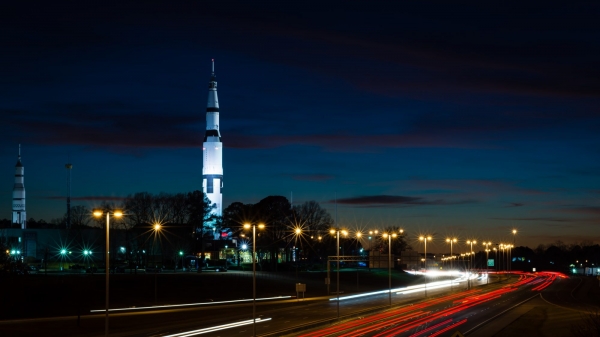
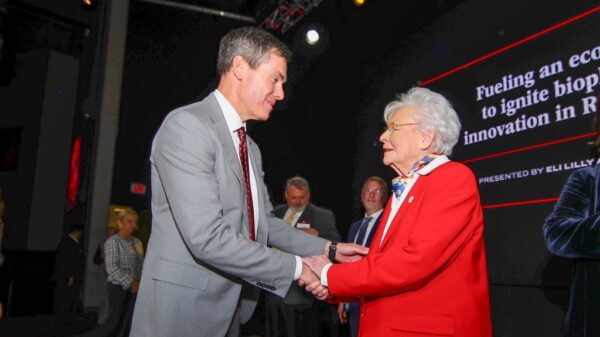
In 2025, Ivey announced $14.6 billion in new investments and more than 9,000 new jobs, leading the state to win a Silver Shovel Award for economic growth earlier this year. U.S. Space Command’s relocation to Redstone Arsenal and the announcement of Eli Lilly’s $6 billion pharmaceutical investment in Huntsville also signal continued growth for the state, particularly in North Alabama.
“Our economic development strategy is focused on delivering what companies need to succeed—from preparing industrial sites and strengthening workforce pipelines to maintaining a competitive cost structure and working closely with our local partners,” McNair said. “The result is an Alabama that is positioned to compete for the major investments shaping the future of manufacturing, aerospace, automotive, technology and other high-growth industries.”
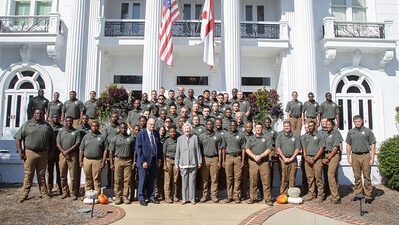
Kevin Taylor, executive director of Alabama Industrial Development Training, or AIDT, also emphasized the important role that Alabama’s investment in workforce development has played in the state’s recent growth.
“Alabama’s competitiveness isn’t just about low taxes or incentives. It’s rooted in our people,” Taylor said. “The economic development success we’ve seen is directly tied to our ability to prepare Alabama citizens for the jobs employers need to fill. A strong workforce development program like AIDT gives companies confidence that they can find the skilled workers to scale operations, meet production schedules, and maintain quality as they grow.”