














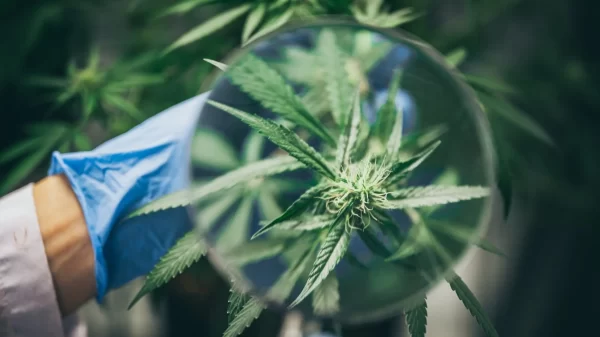

Congress has set December 11 as the date when most hemp products will lose their legal standing under federal law. For farmers who grow the crop and businesses that sell it, that deadline is getting close, and there is still little clarity about what comes next.
Lawmakers included the change in last November’s spending bill, and the new rules are broad enough that the U.S. Hemp Roundtable estimates more than 95 percent of hemp products could disappear from store shelves. The U.S. Department of Agriculture valued the nation’s hemp crop at $739 million last year. Much of that market could vanish almost overnight if Congress does nothing.
I raise cattle in Henry County and know all too well that farming comes with some uncertainty. Prices change, the weather turns, and you learn to work through it. What is harder to plan around is a decision in Washington that could take away your market with just weeks of notice.
Alabamians who buy hemp products from licensed stores will still be looking for them after December 11. If tested, naturally derived products disappear, those customers could turn to lab-made knockoffs and cheap imports instead. Congress has already voted to ban synthetic products starting November 12, and that is a step in the right direction. Farmers growing a legitimate crop should not be the ones who lose out while the sellers lawmakers want to stop find another way to reach customers.
Congress has time to put reasonable safeguards in place. Products should be tested, labels should tell customers what they are buying, potency should be limited, and sales should be restricted to adults 21 and older. Senators Tommy Tuberville and Katie Britt have until December 11 to support those protections. Alabama farm families who invested in hemp deserve a clear answer from their senators before a provision buried in a spending bill puts their market at risk.