




























The National Federation of Independent Business’ May Jobs Report shows little change in the employment market as the Small Business Employment Index remained essentially flat, registering 100.3 in May after measuring 100.4 the month before.
It was the third consecutive month the index declined. The current reading is now below the 2025 average of 101.2, but still slightly above the historical average of 100.
In May, 29 percent of small business owners reported job openings they could not fill, down 5 points from April and marking the lowest level since May 2020. Twenty-seven percent had openings for skilled workers, down 2 points, and 9 percent had openings for unskilled labor, down 4 points.
“Labor costs increased significantly to the highest reading in the survey’s history,” NFIB Chief Economist Bill Dunkelberg said. “Small business owners are facing mounting pressure to retain workers, and many firms are navigating costly new state mandates. While current conditions restrict Main Street’s already-thin profit margins, compensation measures remain steady for now.”
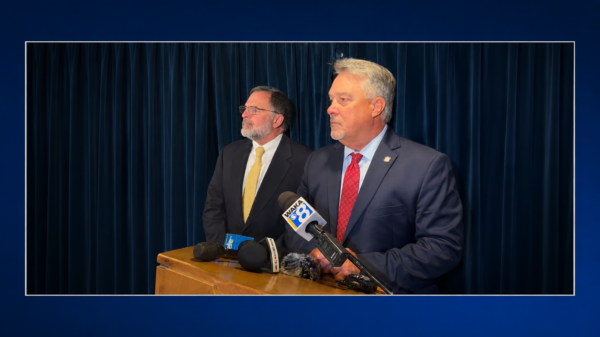
NFIB State Director Rosemary Elebash said many small business owners throughout Alabama are still struggling to fill vacant positions.
“The labor market may be easing, but Alabama’s small business owners are still feeling pressure,” Elebash said. “Finding qualified workers remains a challenge, and rising costs are squeezing margins.”
A seasonally adjusted net 9 percent of owners plan to create new jobs in the next three months, down 4 points from April and marking the lowest level since May 2020. Hiring plans are now below their historical average of a net 11 percent. Overall, 55 percent of owners reported hiring or trying to hire in May, up 2 points from April.
Forty-six percent of owners, or 84 percent of those hiring or trying to hire, reported few or no qualified applicants for the positions they were trying to fill, unchanged from April. Twenty-four percent reported few qualified applicants, down 2 points, and 22 percent reported none, up 2 points.
In May, 13 percent of small business owners cited labor quality as their single most important problem, down 5 points from April and marking the lowest level since December 2016. While reports of labor quality as the single most important problem declined in May, reports of labor costs increased to the highest reading in the survey’s history. Fourteen percent of business owners reported labor costs as their single most important problem, up 5 points from April.
While unfilled job openings and hiring plans declined to six-year lows, compensation measures remained largely unchanged. Seasonally adjusted, a net 31 percent of small business owners reported raising compensation in May, up 1 point from April. A seasonally adjusted net 18 percent plan to raise compensation in the next three months, unchanged from April.