


























According to the National Federation of Independent Business’s, NFIB, most recent monthly jobs report, small businesses across the country are experiencing declining optimism and rising uncertainty amid rising fuel costs and labor shortages.
Per the report, the NFIB Small Business Optimism Index fell 0.6 points in May to 95.3, remaining below its 52-year average of 98.0, while the Uncertainty Index rose three points to 91, remaining
Meanwhile, the NFIB Small Business Employment Index reveals a marked decrease in hirings among small businesses, with job openings falling to 29 percent in May, the lowest level since May 2020 during the height of the COVID-19 pandemic.
Combined with a ten-year low in the percentage of small business owners who cited labor quality as their single most important problem (13 percent) and a record-high percentage of owners who cited labor costs as their single biggest issue (14 percent), the report reveals how an unprecedented labor shortage is currently weighing down small businesses across the country.
In response, small business owners are reeling in their goals for job creation, with only nine percent of owners planning to create jobs in the next three months, down four points from April and again reaching the lowest level in six years.
“Concerns about rising labor costs increased significantly to the highest reading in the survey’s history,” Chief Economist Bill Dunkelberg said of the jobs report’s findings. “Small business owners are facing mounting pressure to retain workers, and many firms are navigating costly new state mandates. While current conditions restrict Main Street’s already-thin profit margins, compensation measures remain steady for now.”
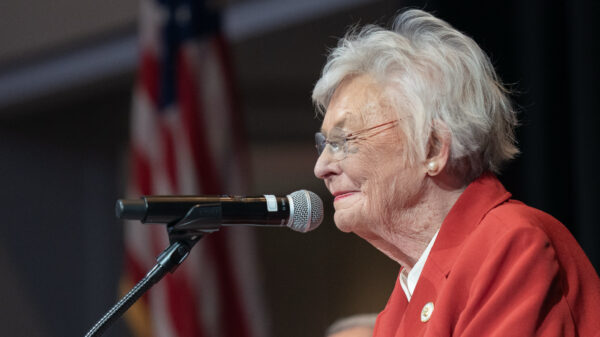
Rosemary Elebash, Alabama’s NFIB state director, confirmed that Alabama’s small businesses are also facing these challenges.
“Running a small business is hard in the best of times,” said Elebash. “And rising fuel costs and labor shortages are making it even harder for owners to plan ahead and grow their businesses.”
Additionally, concerns related to inflation and supply chain disruptions continue to grow under the Trump administration’s tariff regime and the ongoing war with Iran.
Seventy percent of small business owners reported being affected by supply chain disruptions in May, up six points from April. At the same time, reports of actual and planned price increases rose dramatically. Thirty-six percent of owners reported raising average selling prices in May, up six points from April, while 24 percent plan to increase their prices in the future, up seven points and the highest reading since July 2022.
And while rising prices mean increased costs for consumers, business owners themselves are also concerned about inflation, with 18 percent naming it the single most important issue facing their business in May, a two point increase from April and the second-most cited issue below taxes.
All told, the report paints a troubling picture for small business owners and consumers alike, a reality reflected in the American public’s record disapproval of Donald Trump’s handling of the economy–disapproval which persists even as Wall Street floats atop a delicate buoy of AI-optimism.