






















Three out of every four people incarcerated in Alabama prisons whom state officials classified as “low risk” of reoffending were denied parole in 2025, according to a new analysis by the ACLU of Alabama.
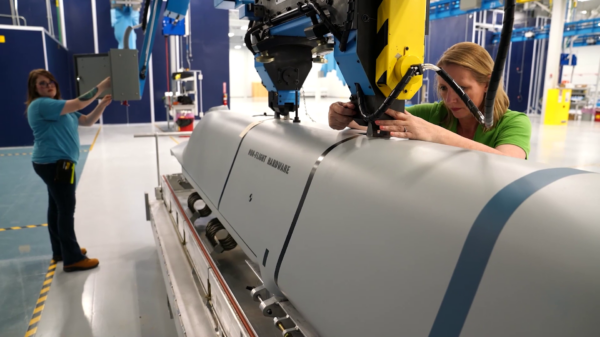
Many of these low-risk applicants participate in work release programs, which allow them to leave prison for full-time employment at workplaces including manufacturing facilities such as Hyundai, municipal offices and service-sector businesses. Some have also been granted 48- or 72-hour furloughs to spend time with family members and participate in community activities.
Individuals who qualify for work release, minimum-community custody and temporary furloughs have already demonstrated they can be trusted outside a correctional facility. Yet in 2025, individuals state officials classified as “low risk” of reoffending had a parole grant rate of 26.1 percent. Their chance of being granted parole was only slightly better than that of individuals classified as “high risk,” who were paroled at a rate of 18.2 percent—a difference of only 7.9 percentage points.
“The Parole Board, the Attorney General’s Office and VOCAL say public safety drives every decision, but this report shows the data doesn’t back that up,” Alison Mollman, the ACLU of Alabama’s legal director, said. “We remain committed to working collaboratively to identify practical solutions that strengthen both public safety and the fairness of Alabama’s parole system for everyone.”
The ACLU of Alabama compiled its “Parole Watch Report II” after reviewing monthly statistical reports published by the Alabama Bureau of Pardons and Paroles and having staff observe more than 1,000 parole and pardon hearings in person between 2020 and 2026.
Since the organization’s first report in 2023, the parole grant rate has climbed from 8 percent to 19 percent, though it remains far below the 55 percent rate in 2017.
Most of the increase in parole rates occurred after Leigh Gwathney’s term as chair of the Alabama Pardons and Parole Board expired. After Gwathney’s departure, the statewide parole grant rate rose to 30.5 percent in August 2025. However, parole rates have fallen consistently since then.
The ACLU of Alabama’s report also examines barriers to participation in the parole process. Alabama and Georgia are the only states that don’t allow incarcerated people to attend or speak at their own parole hearings. That lack of in-person support during a hearing can negatively affect an applicant’s parole outcome. The attorney general’s office and VOCAL regularly send staff to argue against granting parole.
Between June 2023 and November 2025, the ACLU of Alabama observed 892 parole hearings. During that period, parole applicants were four times more likely to be granted parole if no one spoke against their release. Nearly half—47.5 percent—of applicants without opposition were granted parole in the hearings the ACLU observed. With opposition, the grant rate dropped to 12.7 percent.
“The purpose of this report is not to criticize the Alabama Bureau of Pardons and Paroles, but to encourage the kind of transparency and meaningful dialogue needed to strengthen Alabama’s parole system,” Mollman said. “That starts with basic reforms, like allowing incarcerated individuals to speak for themselves at their own hearings. Legislation allowing this practice was approved by lawmakers last session but was killed by pocket veto. We are hopeful lawmakers and other stakeholders will consider implementing virtual participation options again next session.”