









A federal court last week momentarily upheld the University of Alabama’s decision to shutter two student publications, denying challengers’ request for an injunction to block the closures.
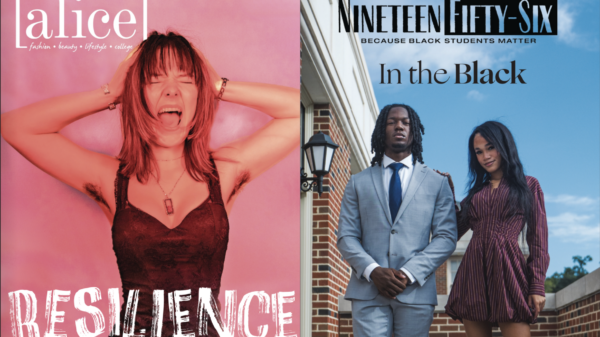
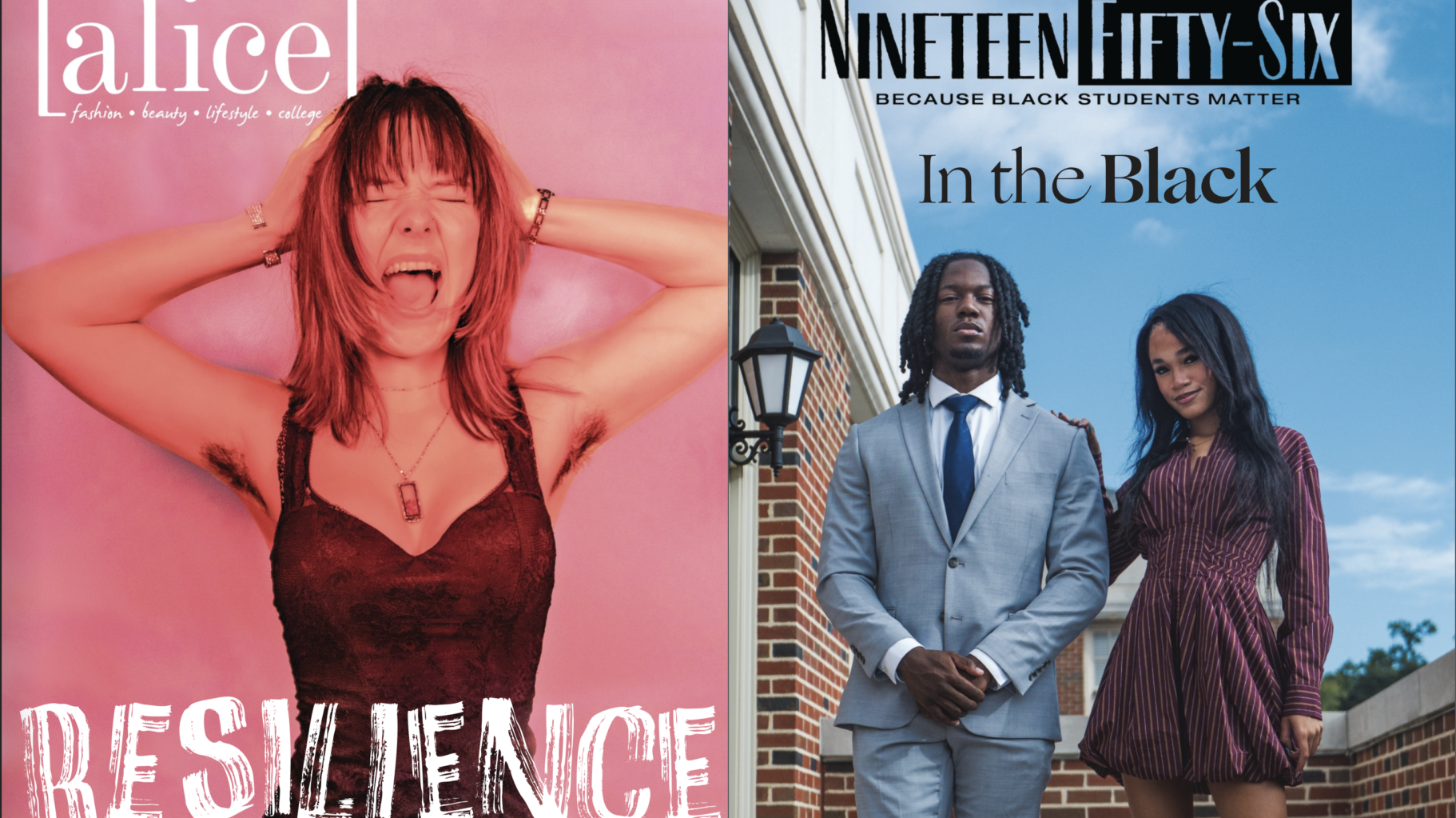
The university permanently suspended and revoked funding from student publications Nineteen Fifty-Six and Alice magazine in December of last year.
Founded in 2020, Nineteen Fifty-Six was a biannual student-run magazine “focused on Black culture, Black excellence, and Black student experiences at The University of Alabama.” The publication was named after the year in which the first Black student to attend UA, Autherine Lucy Foster, enrolled at the university.
Alice was a lifestyle, fashion and wellness magazine that produced content primarily targeted toward university women since its launch in 2015.
The eight student plaintiffs, who served, or planned to serve as editors or contributing writers for the publications, filed suit against the university in March, arguing UA unlawfully censored disfavored student voices and perspectives by shuttering the student magazines.
Students are represented by the Legal Defense Fund, the American Civil Liberties Union of Alabama and the Southern Poverty Law Center.
The U.S. District Court of Alabama on Friday, in an opinion written by Judge Edmund G. LaCour Jr., who was appointed to the bench by U.S. President Donald Trump last year, ruled that the university’s decision was “reasonable” and not a “pretext for silencing a particular viewpoint.”
“UA’s decision was, at most, content based. Its decision to not publish magazines about politics is based on content, not a ‘politics viewpoint.’ And its decision to close magazines ‘by and for’ students of just one race or sex is a content-based decision, not discrimination against female or black viewpoints,” the decision reads.
In a statement responding to the court’s verdict, the Student Press Law Center Senior Legal Counsel Mike Hiestand described the decision as a shift in court precedents regarding the rights of student publications.
“The court’s decision flies in the face of nearly six decades of student press law that clearly designates student media as student speech, not government speech,” Hiestand stated. “Not only does the ruling permit the University of Alabama to get away with a blatant example of censorship, but it also jeopardizes the First Amendment rights of college student journalists nationwide.”
During an interview on Wednesday, Hiestand condemned the ruling as “troubling” while emphasizing that the suit against will continue despite the plaintiffs’ request for a preliminary injunction being denied.
“Really, the more troubling part is the reasoning that this particular judge decided to use to to get to the conclusion that he did,” he said.
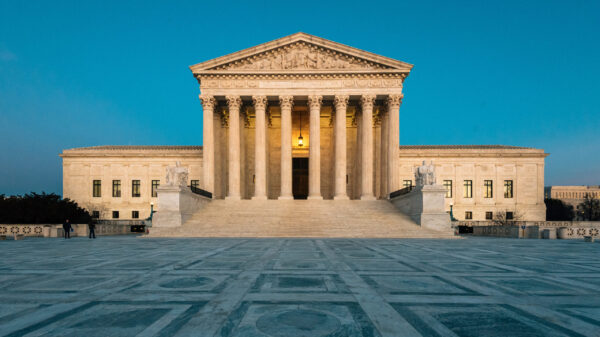
In particular, Hiestand and his organization criticized the court’s decision for relying on precedent set by the Supreme Court case Hazelwood v. Kuhlemeier, which Hiestand described as “the boogeyman” for free speech and student press advocates.
“Student publications, like other extracurriculars, ‘may fairly be characterized as part of the school curriculum’ when ‘they are supervised by faculty members and designed to impart particular knowledge or skills to student participants and audiences,’” LaCour wrote, citing Hazelwood. “The magazines here fall comfortably within this history.”
The Supreme Court’s 5-3 verdict in Hazelwood held that student speech in a school-sponsored high school student newspaper could be censored by the school without constituting a First Amendment violation if the school’s actions were “reasonably related” to a legitimate pedagogical concern.
Justifications for censoring student-produced content deemed acceptable by the court include the content being poorly written, biased or ungrammatical, alongside content “inconsistent with the shared values of a civilized social order.”
The court did not decide whether its standards applied to university speech in its decision. Multiple subsequent challenges were made regarding the ruling’s impacts on university speech. The 6th Circuit Court of Appeals ruled in the 2001 case Kincaid v. Gibson that Hazelwood was not appropriate for college student speech.
Hiestand took issue with the fact that the Hazelwood verdict related to curricular speech, while both UA publications were extracurricular, and the argument that the university’s decision to shutter the papers was based on content and not the viewpoints of their staff.
“The law for 60 years has been that, on college campuses, student editors get to control the content of student publications, of student media, and school officials have to keep their hands off,” Hiestand said.
“Anybody that wanted to work on these publications could work on these publications; they just took a bit of a different editorial perspective,” he added. “The university is attempting to arrive at the conclusion in any way that it can.”
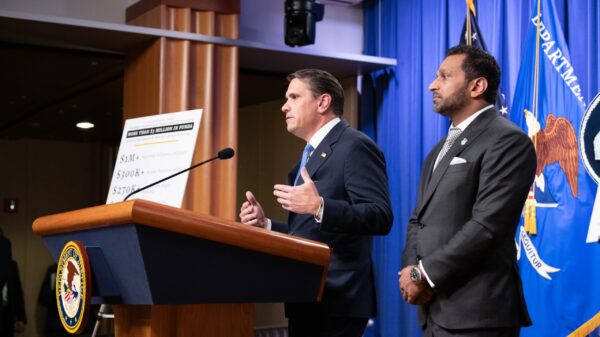
UA has justified its suspension of the publications on the grounds that they engaged in “unlawful proxy discrimination” and violated “best practices” set forth in a July 2025 non-legally binding memo released by former U.S. Attorney General Pam Bondi.
When asked to describe his perspective on the university’s intent in shuttering the magazines, Hiestand attributed the closures to universities across the country in the last year and a half of bowing to the demands of the Trump administration, relating the decision to university administrations’ responses to student demonstrations seen last year.
“Just like so many schools that we’re seeing these days, they are trying to keep their heads down,” he said. “They’re trying to comply with this administration’s demands that, at least in terms of student speech, are legally suspect.”
“The big danger with this, too, is even just having something like this out there,” he added. “The chilling impact that this is going to have on student editors who are deciding whether or not to run a particular article that might piss off the powers that be is really escalated here.”