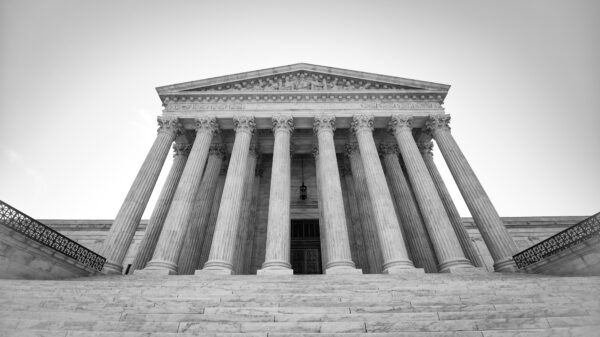




























The state of Alabama is pivoting in its attempt to execute a man on death row after the Supreme Court last week denied its appeal to let them move forward with execution by suffocation.
Jeffery Lee had faced execution last Thursday by nitrogen hypoxia, but federal courts stepped in to block the execution method on the argument that it violates the U.S. Constitution’s prohibition on cruel and unusual punishment.
With the Supreme Court backing that decision, the state had to abandon its plans Thursday to proceed with the execution.
A day later, the state filed a new motion in court seeking to execute Lee by lethal injection—a federal judge emphasized that the ruling against the state’s suffocation method did not preclude the state from moving forward with an execution by lethal injection or electric chair.
Alabama pioneered the use of the controversial nitrogen hypoxia method, putting seven men to death by strapping a mask over their faces and allowing nitrogen to overwhelm the men’s bodies. Only Louisiana has joined Alabama in executing a man this way, killing one person in 2025.
Lethal injection has proved problematic for Alabama as well, with multiple failed executions in the year leading up to the state’s transition to nitrogen hypoxia executions. Executioners have struggled to find the right vein, prodding the men multiple times and creating additional controversy over potential cruel and unusual punishment.
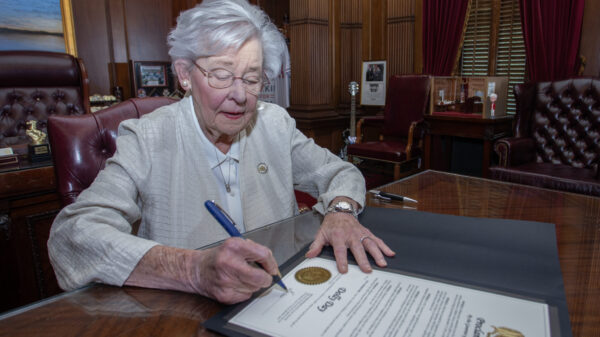
The main factor that led those executions to fail no longer exists; Gov. Kay Ivey placed a temporary moratorium on executions after the state’s failed execution attempts and shepherded new rules that increase the state’s window of time to kill the individual slated for execution.
Critics have also called on the state to commute the death sentences of men like Lee, who a jury convicted to life in prison only for a judge to overturn that sentence in favor of death. The state no longer allows judges to override juries on the death penalty, but opted not to grant relief to men who had been sentenced to death in that manner.
State officials including Attorney General Steve Marshall have defended the execution of Lee, emphasizing his 1998 killing of Jimmy Ellis and Elaine Thompson during a store robbery.